Sugar management in baking:
Optimizing recipes, boosting performance
Reduce added sugar and cut costs with Optiva® LS Prime and Novamyl® BestBite.
Cutting sugar costs without compromising quality
Sugar reduction in baking can be driven by a variety of goals—from improving recipe costs and efficiency to reaching consumer and market demand for healthier product options. While both are important, this article explores the opportunities that come with the former—cutting sugar costs without compromising on product quality.
Why sugar is key
Sugar does more than sweeten baked goods—it affects yeast activity, dough rheology, microbial stability, and even the final texture and shelf life of baked goods. But with fluctuating sugar prices, the baking industry faces significant cost pressures.
Reducing sugar can help manage expenses while aligning with broader formulation goals. Though it may seem risky, strategic adjustments can yield benefits like cost savings and process efficiency.
Let’s explore the impact of sugar reduction in baking and how to optimize recipes for the best outcomes.
What happens when sugar is reduced?
Increasing yeast activity
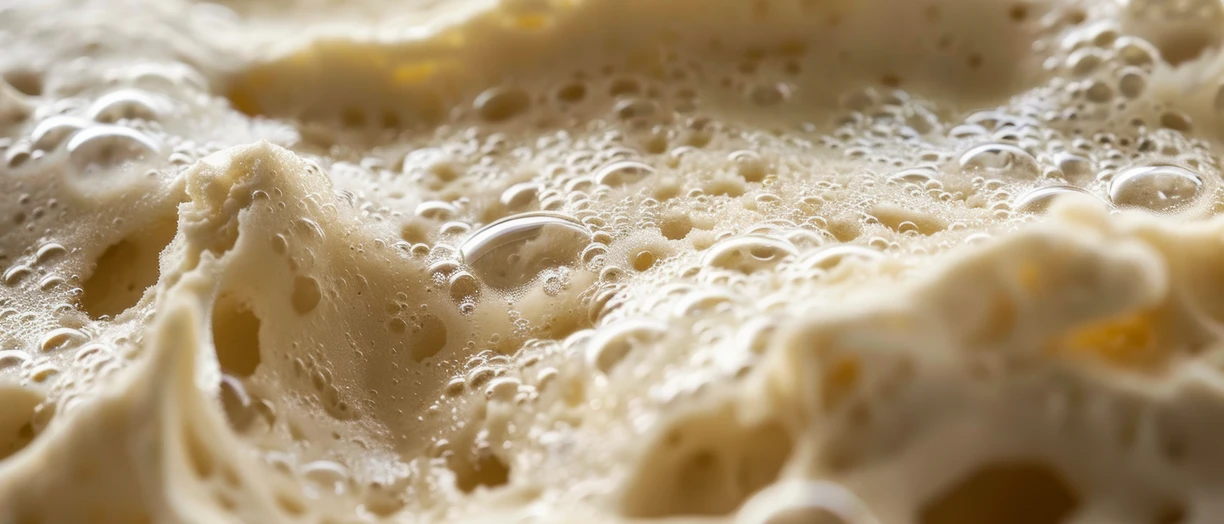
Lowering sugar content increases yeast activity, enabling faster proofing and stronger gas production. This allows for reduced yeast usage, shorter fermentation times, or a switch to more cost-efficient yeast strains. These changes contribute to a leaner, more economical process.
Improving dough texture
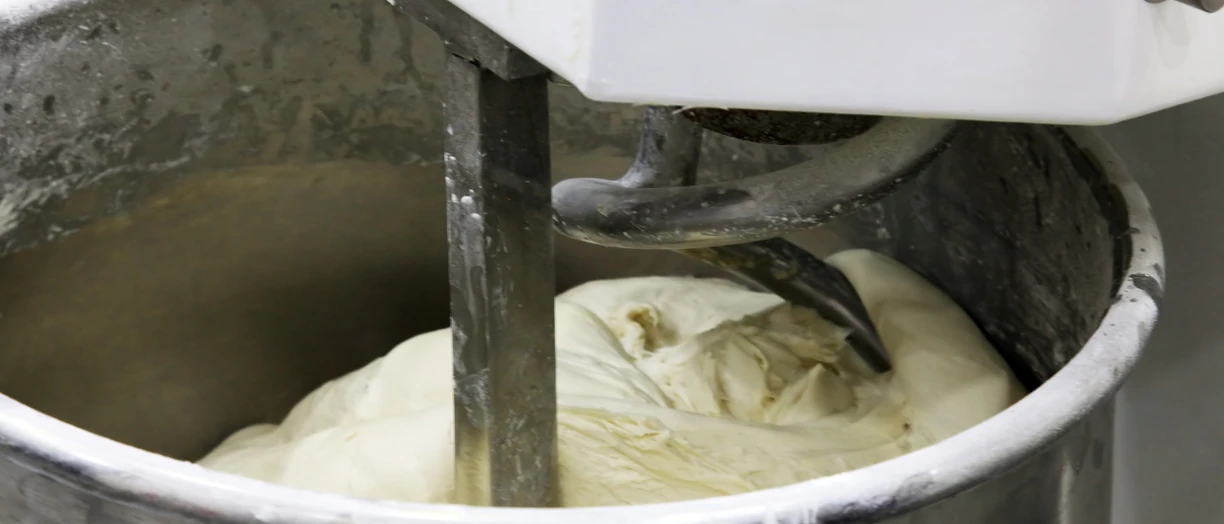
As sugar softens dough, reducing it leads to a firmer, more elastic consistency. This can be effectively balanced by increasing water content—typically 0.5% for every 1% of sugar removed—restoring the dough's ideal rheology and handling.
Maintaining dough yield
Changes in ingredient ratios may slightly reduce dough yield. To maintain the same product volume, flour levels can be adjusted, ensuring the same output and quality and non-sugar-reduced recipes

Preserving shelf life
Sugar contributes to microbial stability. Bread made with optimized recipes contain similar final sugar levels compared to original recipe. As a result, shelf life and product safety remain unchanged.

Better baking. Lower costs. Same great taste.
Reducing sugar and yeast while increasing water lowers ingredient costs, as water is cheaper. This adjustment may also shorten fermentation time and thereby improve production throughput.
Sugar management made easy with enzymes
To help bakers reduce added sugar while maintaining the sweetness consumers expect, Novonesis offers two advanced enzyme solutions that enable smart, effective sugar management without compromise.
Optiva® LS Prime
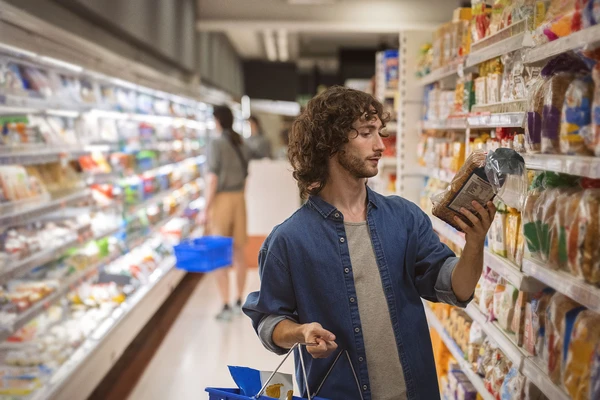
Optiva® LS Prime is a brand-new solution specifically formulated to restore the perception of sweetness lost during sugar reduction. It enables bakers to optimize recipes by lowering sugar costs by up to 50% while still delivering the flavour profile that consumers associate with indulgent baked goods.

Novamyl® BestBite
Novamyl® BestBite enhances texture, shelf life, and freshness, even in sugar-reduced recipes. It ensures softness, moisture, and a resilient crumb, delivering a “perfectly balanced bite” that helps bakers create premium products that stand out on the shelf.