
Cheese
Unlocking flavor intensity in white-brined cheese
As in all cheese segments, taste is king and the primary consumption driver in white-brined cheeses like Feta. Their salty, tangy flavors have made white-brined cheeses a staple in salads and cooking, and their global popularity is rising.
Feta flavor enhancements
With Feta alone accounting for 2% of cheese product launches globally1, the market is becoming more crowded, making differentiation essential. Flavor is a key differentiator, but achieving distinctive flavor in white-brined cheeses can be a challenge. By giving this everyday cheese intense, memorable flavors, cheesemakers can unlock a clear market opportunity.
Lipase: cheese flavor from delicious to off-putting
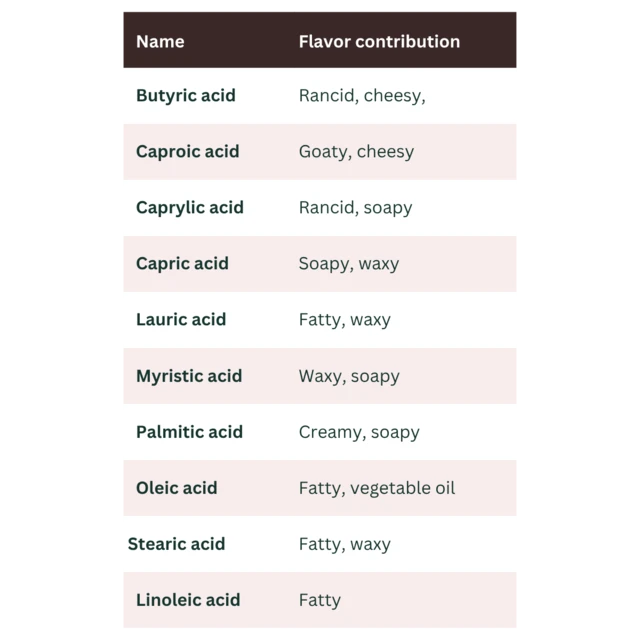
Flavor formation in cheese is driven by several pathways, including proteolysis, glycolysis and lipolysis. Lipolysis is the process by which lipase enzymes break down triglycerides in milk fat into free fatty acids (FFAs), making lipases well-established tools in cheesemaking. In white-brined cheeses like Feta, lipolysis is a vital contributor, as it directly shapes aroma and taste through the release of FFAs. Each of these contributes a specific sensory note, as shown in the table below.
Short-chain FFAs such as butyric and caproic are associated with delicious, cheesy, piquant flavors. Longer-chain FFAs including myristic and palmitic can, by contrast, introduce off-putting waxy or soapy notes. This distinction is critical for flavor development in Feta and other white-brined cheeses.
Does lipase make Feta taste better?
By increasing levels of total FFAs during ripening, lipases directly influence cheese flavor intensity. However, the goal of achieving more flavor intensity needs to be balanced with the need to avoid off-notes that can compromise your brand's reputation. So the question is less "does lipase make Feta taste better?", and more "which lipase makes Feta taste better?" Because not all lipases behave the same way.
Animal lipase enzymes - typically sourced from calves, goats or lambs - are considered to the "gold standard" for traditional white brine cheeses because they target the short-chain FFAs that release butyric notes. But with the rise of vegetarian lifestyles, animal lipases can reduce the overall market appeal of your cheese. That impact can also extend to whey — an increasingly valuable side stream. And of course using an animal lipase excludes your products from halal and kosher certifications. That’s led to the increased use of microbial lipases - enzymes produced by microorganisms including bacteria, fungi, and yeast.
“I want a microbial lipase that delivers flavor like an animal lipase”.
It's unsurprising that this is something microbial lipase producers often hear from their customers. Because while microbial lipases overcome the challenges associated with animal-origin products, some don’t match the specificity of animal lipases. As a result they release a broad spectrum of FFAs, increasing the risk of soapy off-flavors.
Microbial lipases that deliver authentic, piquant flavor
The latest generation of microbial lipases - developed using precision fermentation — match the specificity of animal lipases for short-chain FFAs. They deliver clean, sharp and butyric flavor notes that align with consumer expectations for Feta-style cheese. They’re developed through a process that involves:
- screening naturally-occurring lipase variants from multiple organisms
- identifying and isolating variants that generate market-preferred short-chain FFA profiles
- producing the most promising variants through microbial fermentation
This innovative lipase cheese flavor technology unlocks authentic, piquant flavor in white-brined cheese products, helping your products stand out in this growing market.
By Clarisse Roepcke, Global Marketing & Business Development Manager, Cheese, Novonesis
Clarisse Roepcke drives specialty cheese enzymes and enzymatically modified dairy ingredients at Novonesis. With a PhD in Biotechnology and over 20 years of experience, she brings deep expertise across strategic innovation, technical services, and strategic portfolio management. She has built her career across Brazil, Germany, and Denmark, leading global customer projects and cross functional teams within dairy, plant-based, baking, and nutrition sectors. With strong stakeholder engagement, agile mindset and an international perspective, she is passionate about translating scientific insights into commercially impactful, customer centric innovations that accelerate growth in the dairy industry. Follow Clarisse.

Connect with our team to explore how our microbial lipase cheese flavor solutions can help you build more intense, differentiated white-brined cheese flavors.