
Dairy
Fermented Milk
Fermented milk insights

The regulatory landscape is inconsistent across regions, which makes probiotic labeling of dairy very challenging. Many companies struggle to balance scientific accuracy, regulatory compliance and consumer-friendly messaging. With a clear understanding of this complex regulatory landscape, you can get it right.
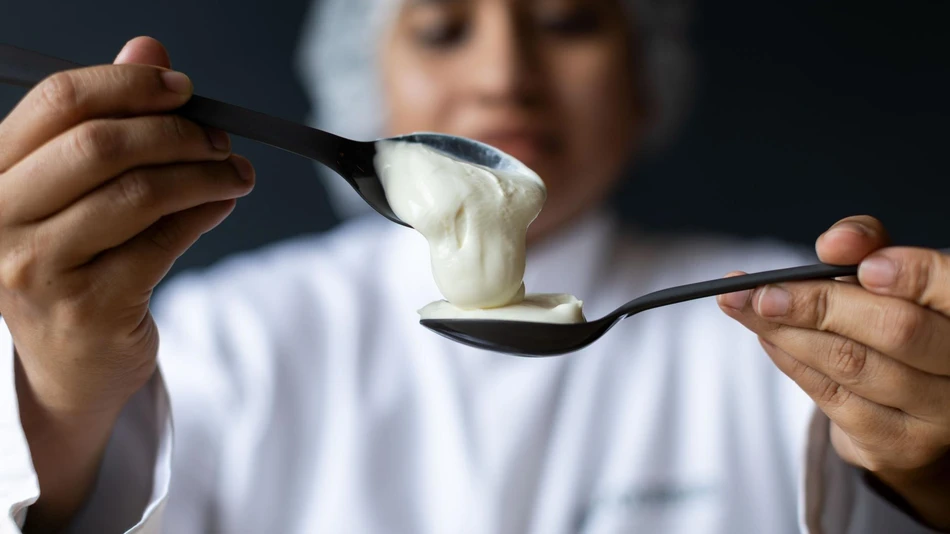
Stirred yogurt manufacturers need to deliver on three key consumer demands: a thick, creamy texture, a simple ingredient list and an affordable price. These goals can conflict, as thickness is often built with additional ingredients. This can lead to longer, more complex labels and/or increase production costs. There is another way however. Through fermentation using natural texturizing yogurt cultures, you can build thick, creamy texture from within.
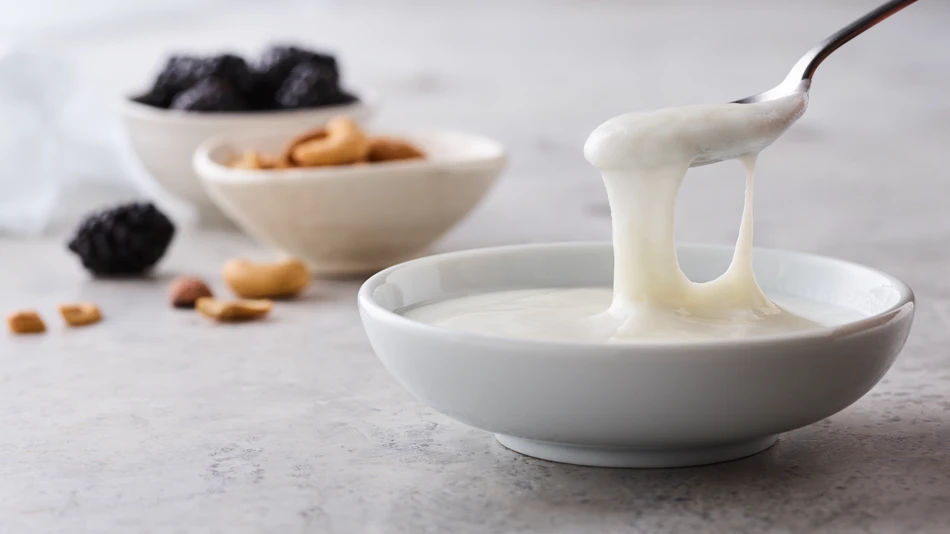
Consumers want more from yogurt; they’re demanding functional benefits such as gut health and immunity. So which probiotic is best to add to yogurt and other fermented milk products? This article helps find the answer, with a focus on probiotic strains’ compatibility with yogurt starter cultures, as well as their performance, viability and sensory impact. These are key considerations when selecting probiotic strains for yogurt.

Our 2025 proprietary study into fermented milk consumers delivers valuable insights into how global consumers feel about fermented milk products such as yogurt, quark, kefir and skyr. Drawing on a global sample of 11,000 consumers, this study leverages deep attitudinal exploration to show that in this mature market, consumers are still hungry for more.
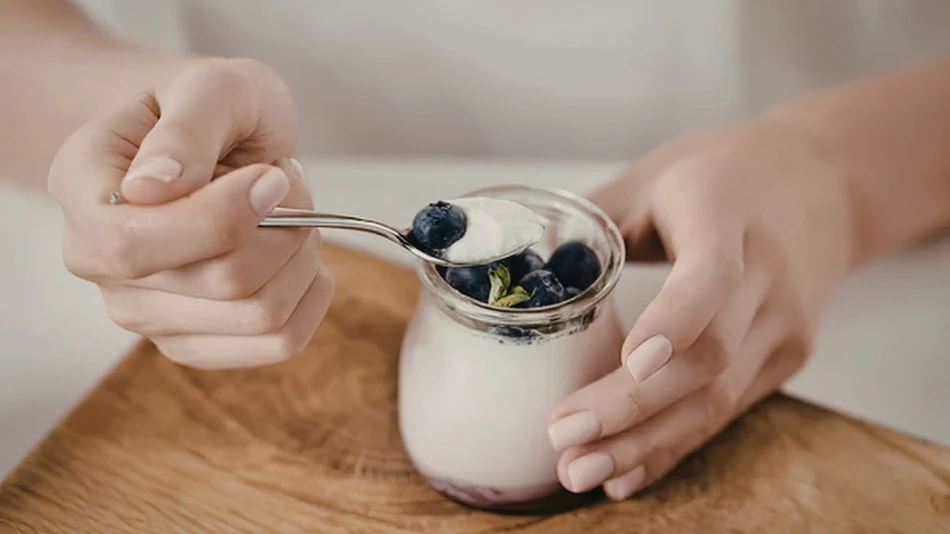
Yogurt has long been associated with “good bacteria”. For many consumers, that has led to a simple assumption: if a yogurt contains live cultures, it must contain probiotics. As a result, the distinction between starter vs probiotic culture is often blurred in everyday communications, creating fertile ground for confusion.

Yogurt with simpler, shorter labels creates new opportunities but also new challenges. Consumers’ expectations for products with simpler, shorter labels that don’t compromise on quality or shelf life is growing. That’s why extending shelf life naturally is becoming a key priority for yogurt producers.