
Fermented milk
How to label probiotic yogurt correctly
The regulatory landscape is inconsistent across regions, which makes probiotic labeling of dairy very challenging. Many companies struggle to balance scientific accuracy, regulatory compliance and consumer-friendly messaging. With a clear understanding of this complex regulatory landscape, you can get it right.
The case for harmonized probiotic regulations
If you struggle to navigate this landscape, you're not alone. Regulatory fragmentation creates uncertainty for businesses, complicates compliance, and limits opportunities for international growth. With probiotics distributed in around 200 countries, a harmonized global framework is essential to establish consistent definitions, quality standards, and labelling requirements. Doing so would support innovation, increase consumer trust, and facilitate global trade. Recognizing these benefits, countries are working through the Codex Alimentarius Commission to develop harmonized probiotic guidelines that could form the foundation for greater regulatory alignment worldwide.
Probiotic labeling: dairy especially impacted
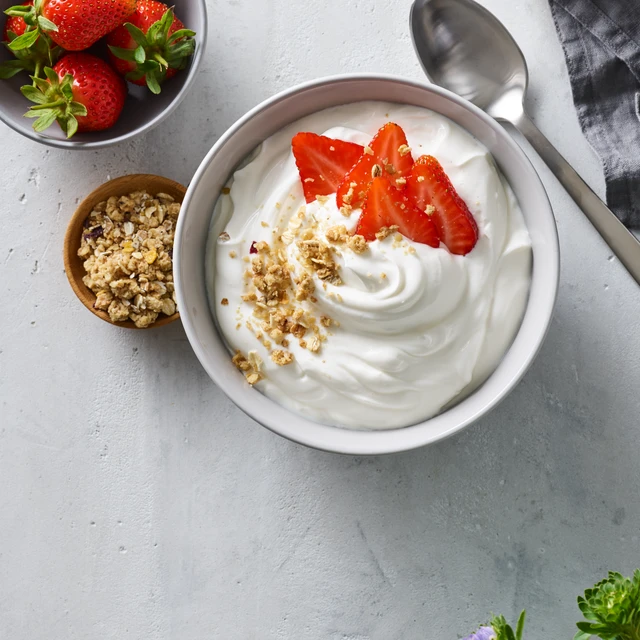
Probiotics are consumed both as food supplements and in foods. The main food categories in which they are consumed are yogurts and other fermented milk products. In 2022, the global retail value of all probiotic consumption was over $50 billion. The lion’s share of this went to yogurt, with a value of more than $34 billion. And other fermented milk products had a value of over $8 billion1. A recent global study2 confirmed the popularity of yogurt with probiotics. 39% of study respondents indicated that they had consumed/purchased yogurt with probiotics in the past year. So when it comes to probiotic labeling, dairy producers are especially impacted by the lack of clarity. Knowing how to label probiotic yogurt correctly is key to new market entry.
Your guide to probiotic labeling in dairy
While the precise definition of probiotics is the subject of ongoing discussions, the Food and Agriculture Organization of the United Nations (FAO) and World Health Organization (WHO) define probiotics as “live microorganisms which when administered in adequate amounts confer a health benefit on the host.”3
To help navigate the complex global regulatory landscape, we’ve developed this best-practice guide to probiotic labelling in dairy, aligned with guidelines from the Council for Responsible Nutrition (CRN) and the International Probiotics Association (IPA). It provides practical recommendations to ensure labels reflect current industry standards while supporting compliance with applicable labelling requirements.
- Ingredient list
Declare the genus, species and strain for each microorganism. Examples include Bifidobacterium animalis subsp. lactis (BB-12®) and Lacticaseibacillus rhamnosus (LGG ®). - Cell Counts
To comply with the FAO/WHO definition, products must deliver live bacteria throughout shelf life in adequate amounts. The amounts should be linked to the beneficial effect for which there is clinical documentation. Typically, amounts are 109 Colony Forming Units (CFU) as daily intake. State the minimum cell count per serving at the end of shelf life to show that an adequate amount is present. For example, “Contains 1 billion (10⁹) CFU of Lacticaseibacillus rhamnosus, LGG ® per serving”. - Health Benefits
Probiotic effects are strain specific. Benefits shown for one strain cannot be assumed for another — even within the same species. Strain-specific benefits must be documented in clinical trials. Crucially, local legislation determines
whether health benefits can be stated and under what conditions. Familiarize yourself with local regulations before making health benefit claims, and always make a strong link between the benefit, the cell counts per serving and clinical documentation. - Trademarks and Logos
Strain trademarks and logos help consumers easily recognize scientifically documented probiotic strains, increasing transparency, confidence, and differentiation compared with products that only make generic probiotic claims.
Gain an advantage in the probiotics category
Accurate strain names, verified cell counts, documented strain-specific health benefits and recognized trademarks — these are the four fundamentals of labels that build real consumer trust. By getting them right, you can gain an advantage in a heavily regulated category and take your probiotic yogurts to the next level.
To explore more about how to label probiotic yogurt correctly and take your brands to the next level, connect with our team
By Pasi Perkiö, Regulatory Affairs Manager at Novonesis
An M.Sc. in Food Science from the University of Helsinki led Pasi to a career spanning food science, regulatory compliance and quality assurance. He has also worked in product information and export management. With deep expertise in food regulations, labelling, and regulatory risk assessment, he works in global regulatory affairs for probiotic, food culture and enzyme products at Novonesis. This role involves overseeing product life cycle management and global submissions. It also involves collaboration with regional regulatory, research, marketing, and commercial teams. Follow Pasi on LinkedIn.