












turkish flag key

Good for the planet.
Good for Türkiye’s economy.

Biosolutions lead the way.

What if Türkiye could produce more of what it needs from what it already has?

Türkiye has important biological resources: crops, agricultural residues, organic waste and industrial side streams.

With biosolutions – microbes and enzymes - these resources can become part of the answer to some of Türkiye’s biggest challenges: energy independence, food security and job creation, all whilst addressing climate action.

Türkiye's biosolutions sector already generates approximately €4 billion in economic value. With the right policy conditions, both its economic contribution and the employment it supports could nearly triple by 2035.

For every direct job in the sector, approximately 1.6 additional indirect jobs are supported across the Turkish economy.

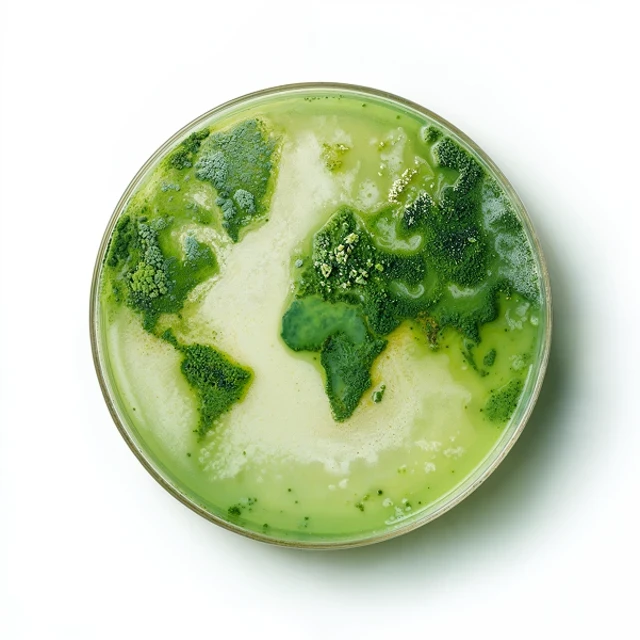
petri

The opportunity goes beyond carbon reductions: €10.8 billion in potential economic contribution by 2035.

More domestic value
Turn Türkiye’s biological resources into economic activity at home.

More resilience
Reduce dependence to imported energy and agricultural inputs.

More jobs and industry
Create new value chains spanning agriculture, energy and manufacturing.

Turkey report

Could Türkiye help fuel the future of aviation?

Yes. As a major global aviation hub, Türkiye has an opportunity to build new value chains around sustainable aviation fuels (SAF).

Microbes and enzymes can help convert sustainably sourced biomass into ethanol for Alcohol-to-Jet production and improve the processing of oils and fats for other SAF pathways.

Beyond lower-carbon flying, this creates opportunities for domestic fuel production, new industrial investments and greater energy security.

passenger-in-airplane-by-the-window
  • people

    247 million passengers

    Türkiye's airports served more than 247 million passengers in 2025, including direct transit passengers, highlighting the scale of its aviation sector.

  • co2

    5% by 2030

    Türkiye aims to reduce aviation CO₂ emissions by 5% through sustainable aviation fuel use by 2030, creating a policy-driven opportunity for SAF development.

  • money

    Economic opportunity

    New biorefineries, domestic feedstock value chains, industrial investment and lower-carbon aviation.

Could cleaner shipping create new opportunities on shore?

Yes. Türkiye's strategic position between Europe, Asia and the Middle East makes maritime transport an important opportunity for industrial transformation.

Microbes and enzymes can support the conversion of suitable biomass, oils and industrial by-products into renewable fuel feedstocks and biofuels.

For Türkiye, developing these pathways could create new opportunities around ports, renewable fuel production and industrial supply chains, while supporting lower-carbon maritime transport.

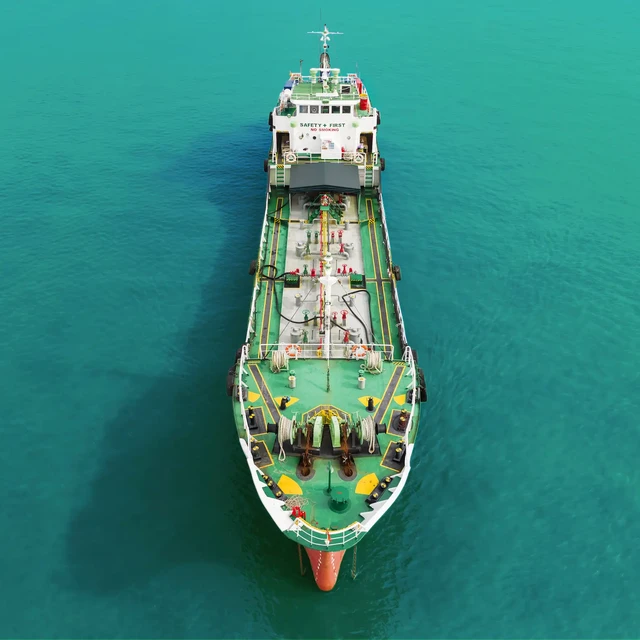
aerial-front-view-oil-ship
  • Ship

    553 million tons

    Turkish ports handled a record 553.3 million tons of cargo in 2025, demonstrating the scale of the country's maritime infrastructure.

  • Storage house

    85% of foreign trade by tonnage

    Around 85% of Türkiye's foreign trade by weight moves by sea, while the EU accounts for nearly 43% of Turkish goods exports by value. With 50% of emissions from eligible Türkiye–EU maritime voyages covered by the EU ETS, lower-carbon shipping is becoming an increasingly important commercial priority.

  • Economy

    Economic opportunity

    Renewable marine fuel supply chains, port-related investment, industrial diversification and strengthened trade competitiveness.

Could Türkiye’s waste became part of its energy supply?

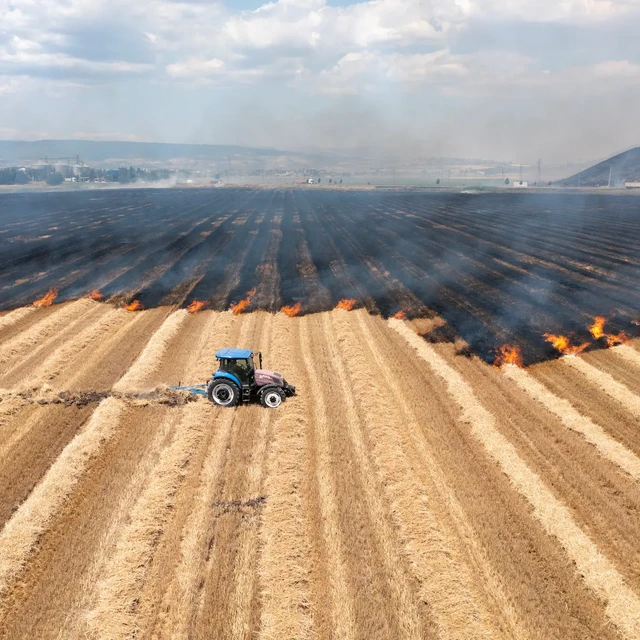
Yes. Agricultural residues, food waste, animal manure and other organic side streams can become valuable resources rather than discarded materials.

Through biological processes, microorganisms can convert suitable organic materials into biogas, which can be upgraded into biomethane. Enzymes can help improve conversion efficiency in selected applications.

For Türkiye, this represents an opportunity to create more energy from domestic resources, strengthen circular value chains and reduce exposure to imported fuels.

Fire-in-farm-land
  • gas

    95% import dependence

    Türkiye relied on imports for approximately 95% of its natural gas supply in 2025, underlining the importance of domestic energy diversification.

  • oil

    3.9 million tonnes of oil equivalent per year

    Türkiye's Biomass Energy Potential Atlas identifies approximately 3.9 Mtoe of annual energy potential from biomass residues and waste considered economically collectable.

  • economy

    Economic opportunity

    Locally produced renewable energy, new revenue streams for agricultural and industrial businesses, waste valorisation and greater energy resilience.

Can Türkiye produce more food with fewer inputs?

Yes. Türkiye is already a major agricultural producer. The next opportunity is to strengthen productivity, resource efficiency and resilience across its food system.

Biosolutions can help improve plant health and nutrient utilization, increase feed efficiency in animal production and optimise food-processing operations.

This means creating more economic value from existing land, nutrients, feed and agricultural resources, while supporting more efficient and resilient production.

Drone image, agricultural landscape, agricultural fields and meadows
  • Field small crops

    US $83.2 billion

    Türkiye's agricultural value added reached approximately US$83.2 billion in 2025, placing it among the world's seven largest agricultural economies.

  • groundwater restoration

    77% of water use

    Agricultural irrigation accounts for approximately 77% of Türkiye's total water use, highlighting the importance of improving resource efficiency throughout the food system.

  • economy

    Economic opportunity

    Higher agricultural productivity, more efficient input use, stronger food security and improved competitiveness for Turkish farmers and food producers.

image

Why biosolutions? Why now?

According to the International Energy Agency's Türkiye 2026 Energy Policy Review, oil-based fuels still account for 98% of Türkiye's transport energy consumption, while biofuels contribute just 0.5%.

The IEA highlights the potential of domestically produced, waste-based biofuels to diversify Türkiye's transport energy mix and support decarbonization, including in heavy-duty transport.

This gap represents an opportunity to turn Türkiye's biological resources into new sources of energy, industrial investment and economic value while strengthening energy security and advancing climate action.
How biosolutions can reduce emissions & create economic growth

How biosolutions can help Türkiye create energy from within

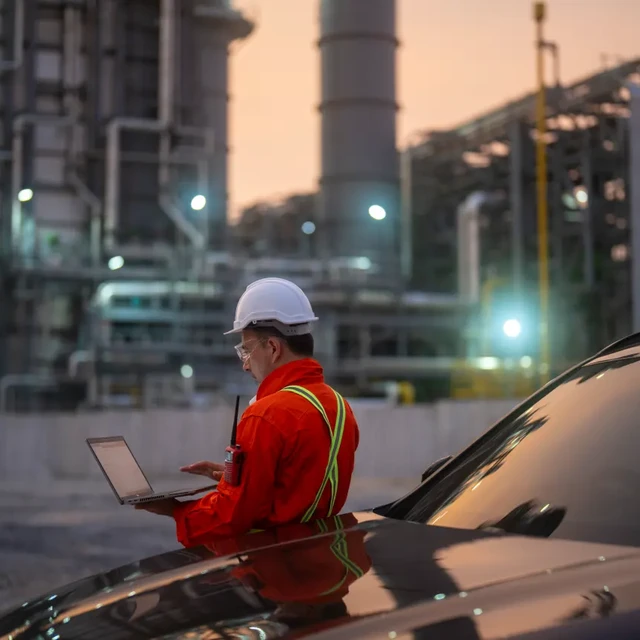
Crop residues, forestry byproducts and other renewable resources incl. energy crops can be turned into fuel. Enzymes break tough plant material down into simple sugars, while microorganisms help ferment those sugars into ethanol. Other biosolutions help convert oils and fats into renewable fuels. Together, they help get more energy from renewable resources and reduce reliance on fossil fuels. The fuels can for instance be used for the hard to abate sectors such as aviation and marine.

worker on his computer

How biosolutions can help Türkiye produce more food with fewer inputs

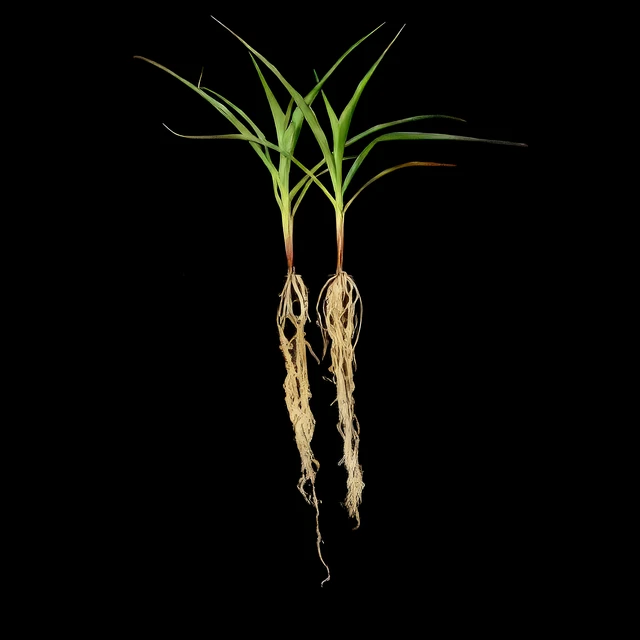
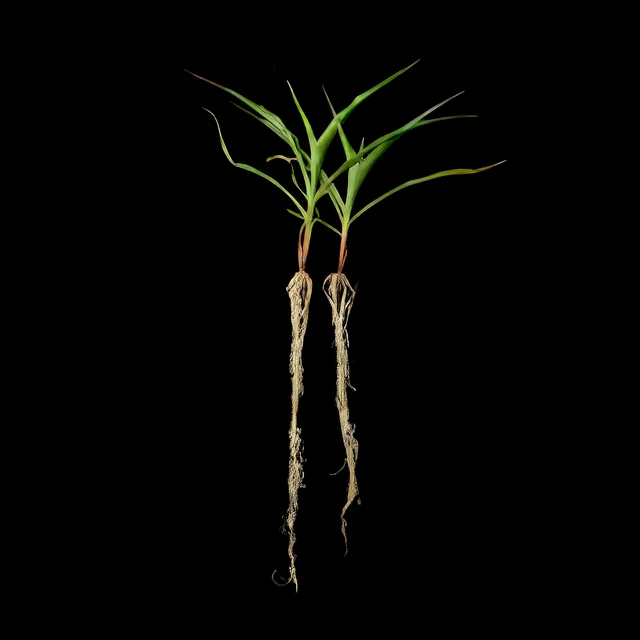
By integrating biosolutions into mainstream agriculture, Türkiye's farms stand to gain long-term improved yields, less loss of chemical fertilizer and more resilient plants. Microbes for instance support the plant in developing strong roots, which makes the plant stronger, healthier and more resilient. The opportunity goes beyond carbon reductions: €10.8 billion in potential economic contribution by 2035. The impact extends across the economy, with agriculture accounting for 51% of the indirect jobs supported by Türkiye's biosolutions sector, highlighting its contribution to employment and economic value creation across the agricultural value chain.

Without biosolutions
bad crop
With biosolutions
Good crop
From ambition to implementation:

Unlocking Türkiye's biosolutions potential

With its Climate Law, sustainable aviation fuel framework and commitment to green industrial transformation, Türkiye has already taken important steps towards a more sustainable economy.

As host of COP31, Türkiye has an opportunity to demonstrate how climate ambition can translate into practical solutions, stronger competitiveness and new opportunities for economic growth.

Unlocking the full potential of biosolutions requires five policy actions:

  • Sustainable fuels

    Accelerate sustainable fuels

    Build on existing SAF regulations and establish predictable, long-term frameworks, including phased blending roadmaps for biofuels and clear pathways for renewable maritime fuels, to encourage domestic production, investment and energy diversification.

  • Farm in sunset

    Enable biological innovation

    Promote science-based, transparent and efficient regulatory pathways for biological agricultural solutions and industrial biotechnology, helping innovative technologies reach farmers and businesses faster.

  • Agricultural waste

    Turn residues into resources

    Support the sustainable collection and valorization of agricultural residues, organic waste and industrial side streams to create renewable energy, new value chains and local economic opportunities.

  • Farmer

    Scale investment and implementation

    Align biosolutions deployment with Türkiye's national development, climate, circular economy and sustainable agriculture frameworks. Encourage public-private partnerships, demonstration projects and targeted financing, including incentives to support farmers' adoption of biological solutions, to accelerate commercial deployment across agriculture, energy and industry.

  • Farmer driving tractor

    Measure impact and reward performance

    Develop credible sustainability standards and incentives that recognize measurable improvements in resource efficiency, greenhouse gas emissions and economic value creation.

COP31 is an opportunity to move from commitments to implementation bringing policymakers, industry, researchers and investors together to scale solutions that deliver for Türkiye's economy and the planet.