Cleaner labels
From ingredients to gut health
How enzymes and cultures are shaping healthier foods — and cleaner labels along with them
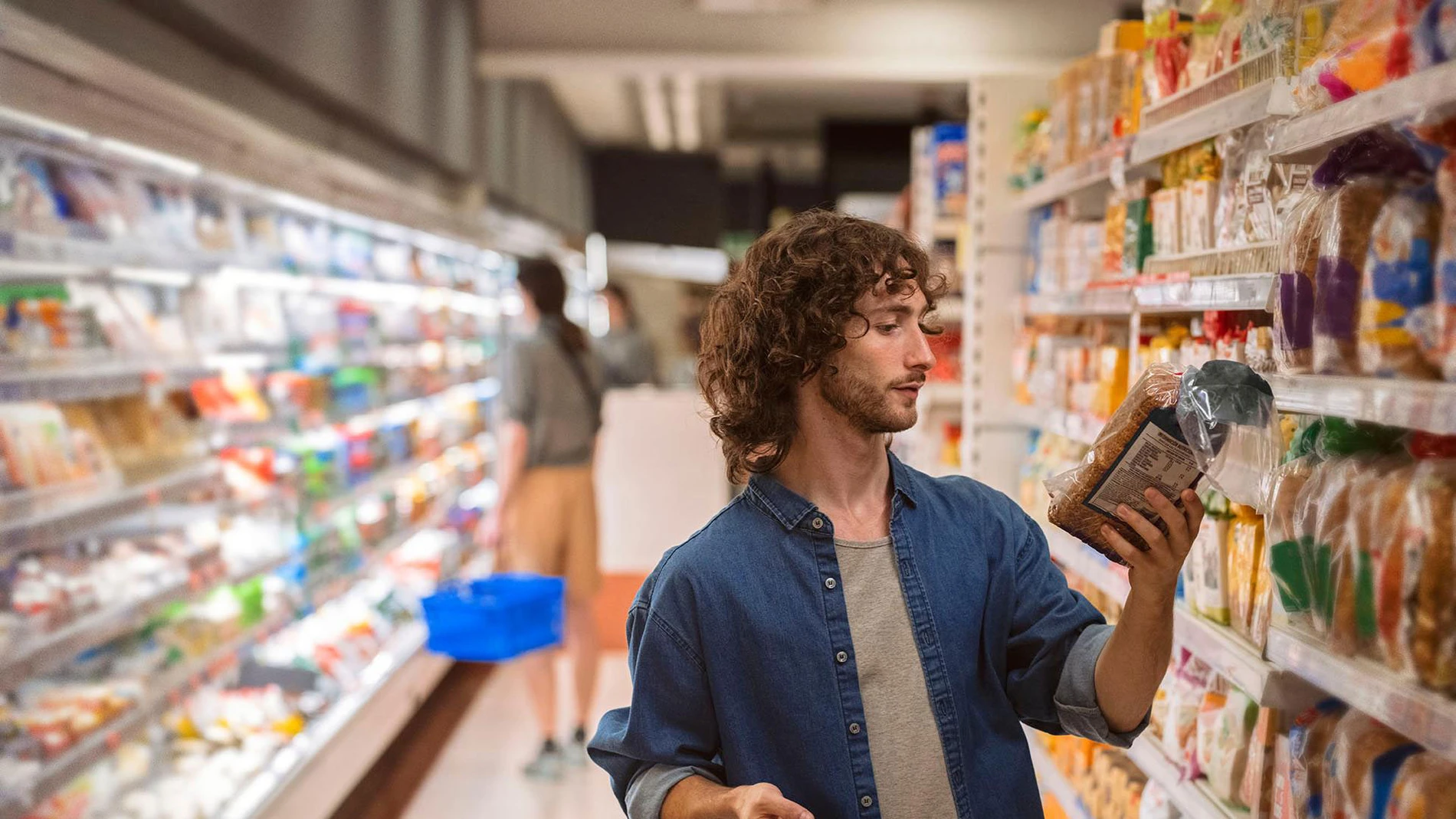
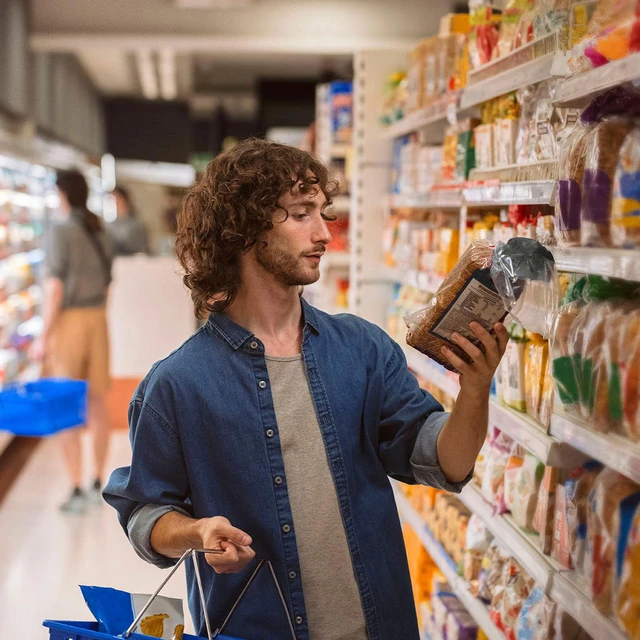
Food labels have become one of the most powerful decision points in modern food shopping.
Not because consumers have suddenly turned into nutrition experts but because ingredient lists have become signals of trust: what a food is made of, how it is produced and how it supports the body at a nutritional level.
Global research from Novonesis shows that 92% of consumers care about the ingredient list, and many act on what they see there. More than two thirds say they sometimes, often, or very often decide not to purchase a product based on label information alone. Decisions are made in seconds – often long before nutrition tables or health claims come into play.
As Finn Wulff, Head of Consumer Insights at Novonesis, puts it:
37% of global consumers will choose a different product if they see ingredients they don’t want in their food. And this is a trend that will grow.
For consumers increasingly focused on healthy living, the ingredient list has become a proxy for a deeper question: Is this food working with my body – or against it?
Watch Finn discuss his latest findings on consumer trends — from convenience and sustainability to healthy foods and cleaner labels.

The ingredient list is a shortcut to gut trust
of consumers care about the ingredient list when choosing food and beverages.
say they sometimes, often or very often walk away from a product based on label information alone.
Enzymes and clean-label bread
Bread is a daily staple — and ingredient lists are increasingly under scrutiny. While emulsifiers are often used to support softness and structure, enzymes can help provide similar dough‑strengthening benefits, allowing bakers to reduce reliance on some emulsifiers in their recipes. What this enables:
- Soft, elastic bread with good volume
- Familiar taste and texture consumers expect
- Shorter, more recognizable ingredient lists with fewer artificially produced ingredients
Clean labels and the rise of microbiome‑aware consumers
Healthy living today is closely linked to how food affects digestion, energy, comfort and long‑term wellbeing. Much of this understanding is intuitive and often connected to gut health, even when consumers don’t use scientific language.
This shift is visible in shopping behavior. Consumers increasingly look for foods that feel easy to digest, familiar and balanced. They scan ingredient lists for cues that food has been made in a way that works with the gut microbiome rather than overwhelming it.
More than half of consumers now check both front and back of pack, and close to 60% say the ingredient list directly influences their choice. Shorter, more recognizable ingredient lists are often interpreted as food that is gentler and better aligned with gut health.
Importantly, this is not about perfection or elimination at all costs. Consumers value familiarity before reduction. In a healthy living context, clean label is about confidence: trusting that food supports the body’s internal balance.
Label reading is now part of healthy living
check both front and back of pack
say the ingredient list impacts their choice
Yogurt: understanding the biology behind the label
Yogurt is one of the clearest examples of how biology in food shapes both health and labeling expectations. It is closely associated with digestion, cultures and gut wellbeing, which also raises expectations around what goes into the product.
At its core, yogurt is a biological food. Cultures ferment milk by converting lactose into lactic acid, shaping taste, texture and digestibility. Enzymes can support this process by breaking down components in the milk, helping create consistency, stability and a product that is easier for many people to digest.
Yet many consumers are only vaguely aware of this biological work happening behind the scenes. But they do recognize the outcome. Yogurt that delivers comfort, familiar taste and straightforward ingredients aligns with their expectations of food that supports gut health.
That is why tolerance for certain ingredients is low in this category. Consumer research shows that added sugar, sweeteners and preservatives are the top three ingredients people want to avoid in yogurt. When these appear on the label, trust erodes quickly.
“This is where the choice becomes very concrete,” says Wulff. “We know what consumers don’t want in yogurt — and these are elements it’s fairly realistic to work with.”
For consumers thinking about gut health, an ingredient list filled with synthetic additives sends the wrong signal, regardless of brand promises.
Want to see how enzymes can reduce the need for added sugar, salt and synthetic additives in dairy products? Watch the video.

What enzymes and cultures make possible in healthier foods
From a healthy living perspective, enzymes and cultures enable food to deliver functionality through biological processes rather than added complexity.
Enzymes work by breaking down raw materials into components the body can more easily handle. Cultures shape food through fermentation, creating taste, texture and beneficial compounds as part of a natural process. Together, they allow food to achieve stability, taste and freshness through shelf life while relying on fewer added ingredients.
This aligns closely with how consumers intuitively think about digestion and the microbiome: a living system that thrives on balance and simplicity. Foods supported by biology feel easier to trust because they are built using the same logic the body itself relies on.
Cleaner labels, in this sense, become a visible result of working with biology in food rather than layering functionality on top through synthetic additives.
Cleaner labels as a signal of everyday healthy living
Cleaner labels are now shaping everyday food choices and expectations across categories. Not as a trend, but as part of how consumers define healthy living. Consumers will choose a cleaner label — when they trust what they see. That trust increasingly comes from ingredient lists that signal simplicity, transparency and respect for the body’s internal systems.
In a world where gut health has become central to how people understand wellbeing, cleaner labels act as a bridge between science and everyday choices. They influence what people buy and how they feel about the role food plays in supporting health from the inside out.
Explore other cases
The dairy double act reshaping food
High-protein dairy is booming. But the real opportunity — for consumers, companies and the industry — runs deeper than muscle. It lives in the gut.

Eating habits have changed. Now food has to work harder.
GLP-1 therapies are transforming how people eat — and what they expect from their food. Health Science Expert Rebecca Replogle, PhD explains why nutrient-dense food is no longer a niche trend.

The art of aging well
Living longer is one thing. Living well is another. Explore what the world can learn from China's approach to healthy aging — with Hongwei Wang, PhD, Head of Scientific Support at Novonesis.
Source: Novonesis Label & Ingredient Study, May 2025