Fuel and feed Southeast Asia from within

Why rely on imported oil and gas when we can grow a prosperous future with biosolutions?

Energy and food security start at home in Southeast Asia​

Southeast Asia imports 60% of its crude oil from the Middle East — a share projected to reach 70–80% over the next 20 years. The region is becoming a net LNG importer and it depends on extra-regional sources for more than two thirds of its fertilizer imports, creating systemic vulnerability across energy, food and industry.

But there is another way. Home-grown solutions like bioethanol, biodiesel and biogas can replace fossil-based alternatives, paving the way for energy resilience, competitive economies and enhanced food and national security.  

All of this is possible thanks to biosolutions 
 

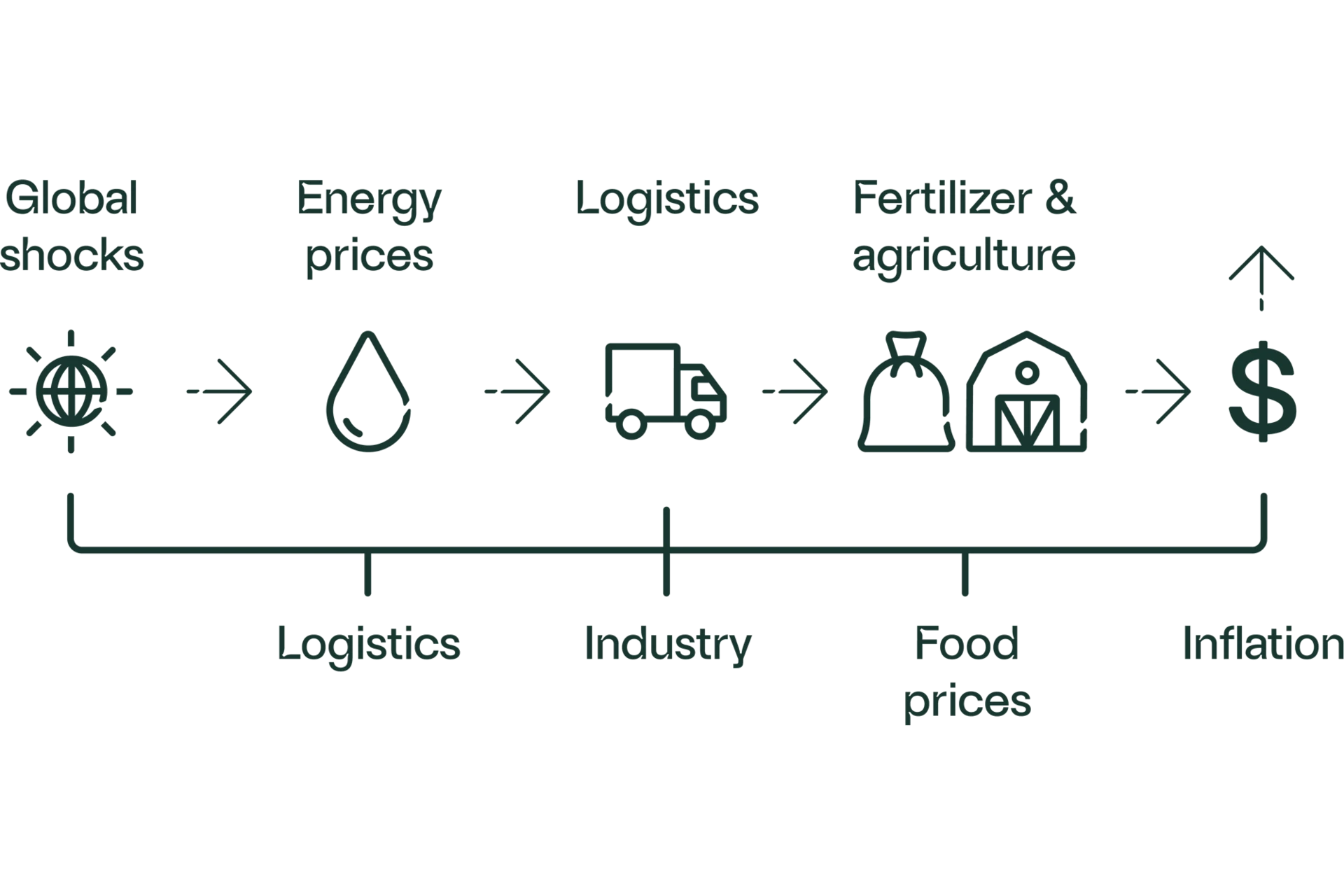
Not just an energy problem

Southeast Asia's energy dependency creates system-wide vulnerability

Türkiye's energy dependency

Southeast Asia has the capacity to strengthen resilience from within

As the world's largest palm oil producer, a top-5 rice exporter, and home to vast sugarcane and cassava cultivation, Southeast Asia is well-positioned to use its agricultural output to ensure both energy resilience and national security — as well as help boost rural incomes and exports. If done right, the agricultural output can ensure both food, feed and energy.  

Examples of this output include:
 

+500 MT

of agricultural biomass produced per year (sugarcane, palm, rice straw, cassava)

14.5 BL

of biodiesel produced annually in Indonesia alone under B40 mandate — world's largest by blending volume

7.1 EJ

bioenergy potential per year across five major ASEAN countries — capable of replacing 2.8 EJ of fossil fuels

By using plants and biomass instead of oil, Southeast Asia can build a strong future

Southeast Asia can achieve strong progress from a clear focus on bioenergy. Here are a few examples, and this is only the beginning of what home-grown solutions can accomplish.

+3 million

smallholder farmers directly benefit from biodiesel demand in Indonesia alone, with guaranteed income through the BPDP-KS levy fund

~13.34 MT

of palm oil per year absorbed by Indonesia's B40 biodiesel mandate — directly cutting diesel import dependency and boosting domestic agricultural value chains

~442 MT

CO₂ reduction annually by 2050 across five major nations in Southeast Asia

image

Southeast Asia has everything it needs to fuel its own future. By harnessing biosolutions, we can turn the region's vast agricultural wealth into lasting energy independence, economic value and a stronger competitive position for generations to come.


Lensey Chen
Regional President, Novonesis APAC
Senior Vice President, Food & Health Biosolutions 

Now, more than ever before, is the time for biosolutions

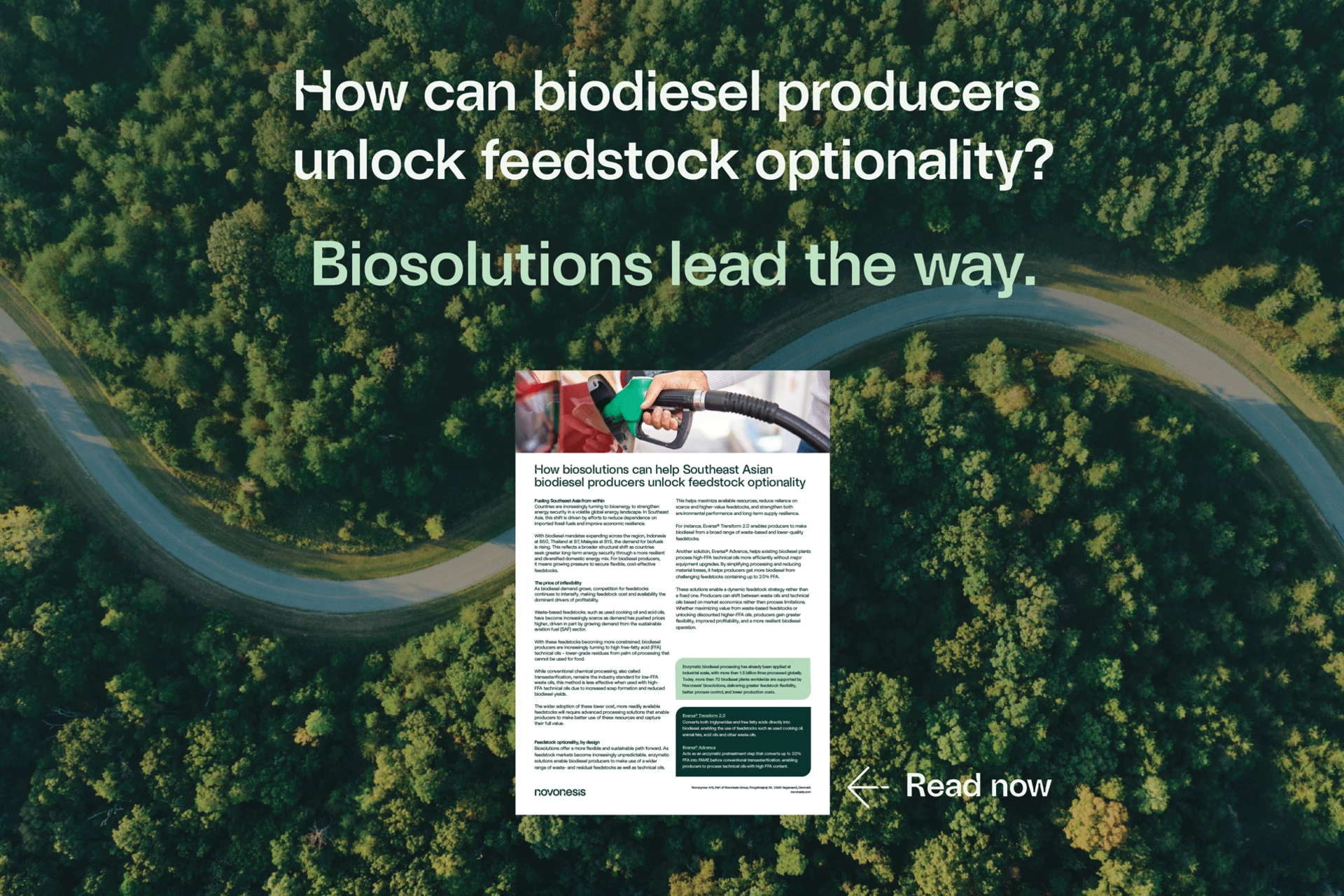
Discover how biosolutions can help Southeast Asian biodiesel producers unlock feedstock optionality.

See the impact in our biodiesel case study.

Biodiesel-SEA-case-mockup

Turning domestic resources into energy, resilience and economic strength

In a world of increasing volatility, resilience begins at home. For Southeast Asia, reducing dependency on Middle Eastern oil and imported inputs is not only an environmental goal — it's an economic and security imperative.

From Southeast Asian farms to Southeast Asian fuel tanks

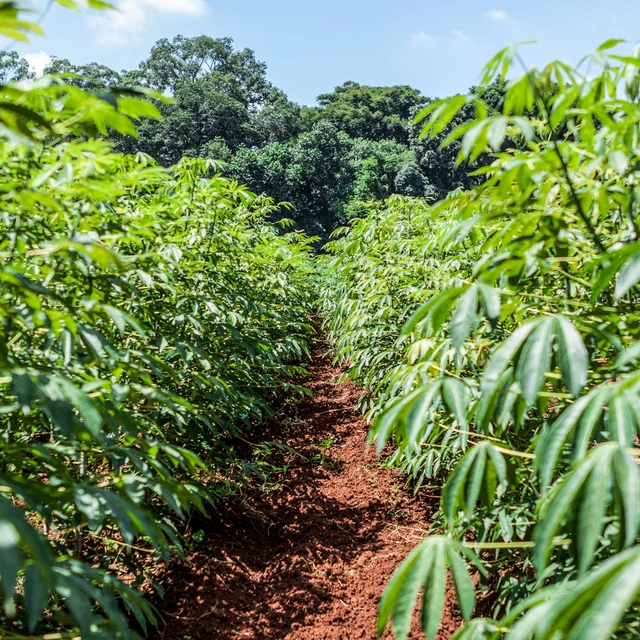
Southeast Asia imports over 60% of its crude oil from the Middle East — yet across the region, millions of hectares of cassava, sugarcane, and palm plantations already grow the answer. In 2026, governments from Vietnam to Indonesia made the connection: accelerate national bioethanol and biodiesel mandates and turn domestic crops into domestic fuel.

Biosolutions make this more efficient — producing more bioethanol and biodiesel from the same crops, cutting import costs, and boosting farmer incomes across the region in the same move.

cassava_plantation

Turning palm oil waste into home-grown energy for Southeast Asia

Southeast Asia is becoming a net LNG importer and Thailand alone could see LNG make up over 60% of its power generation by the mid-2030s. Much of that gas is imported from the Middle East.

Yet Indonesia and Malaysia's palm oil mills produce enormous quantities of effluent (POME) that can be converted directly into biogas — enough to produce 32–100 PJ of energy per year, replacing significant LNG imports. Biosolutions can increase biogas yield from POME by at least 10%, with higher methane purity.

Southeast Asian farmer

Feeding Southeast Asia's livestock without feeding import dependency

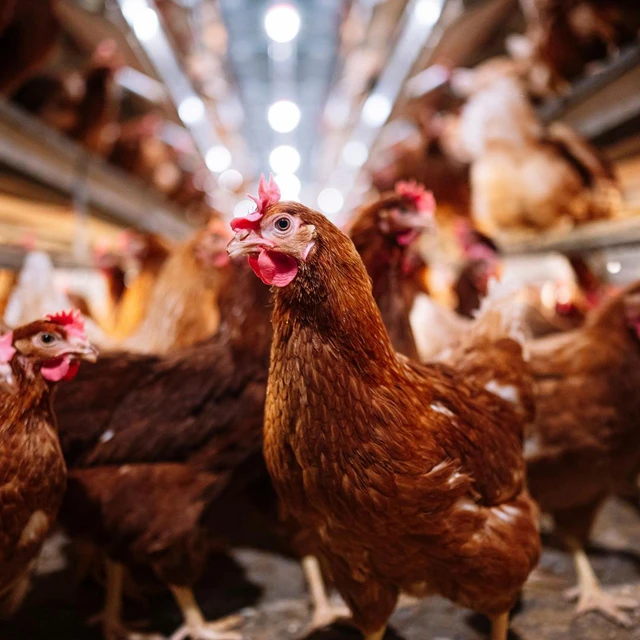
Southeast Asia's livestock sector runs on imported feed. Thailand brings in 60% of its soybean meal, Indonesia 85%, Vietnam 70% — millions of tonnes every year, priced in dollars and vulnerable to supply shocks.*

Biosolutions offer a way to get more from what the region already grows. Probiotics and feed enzymes improve feed conversion efficiency in poultry, cattle and swine — meaning farmers get better yields from the same inputs. Silage inoculants preserve the quality of locally grown biomass, reducing the need for imported processed feed.*

Less dependence on global feed markets. Healthier livestock. Stronger margins for farmers.

Poultry

Powering industry from within

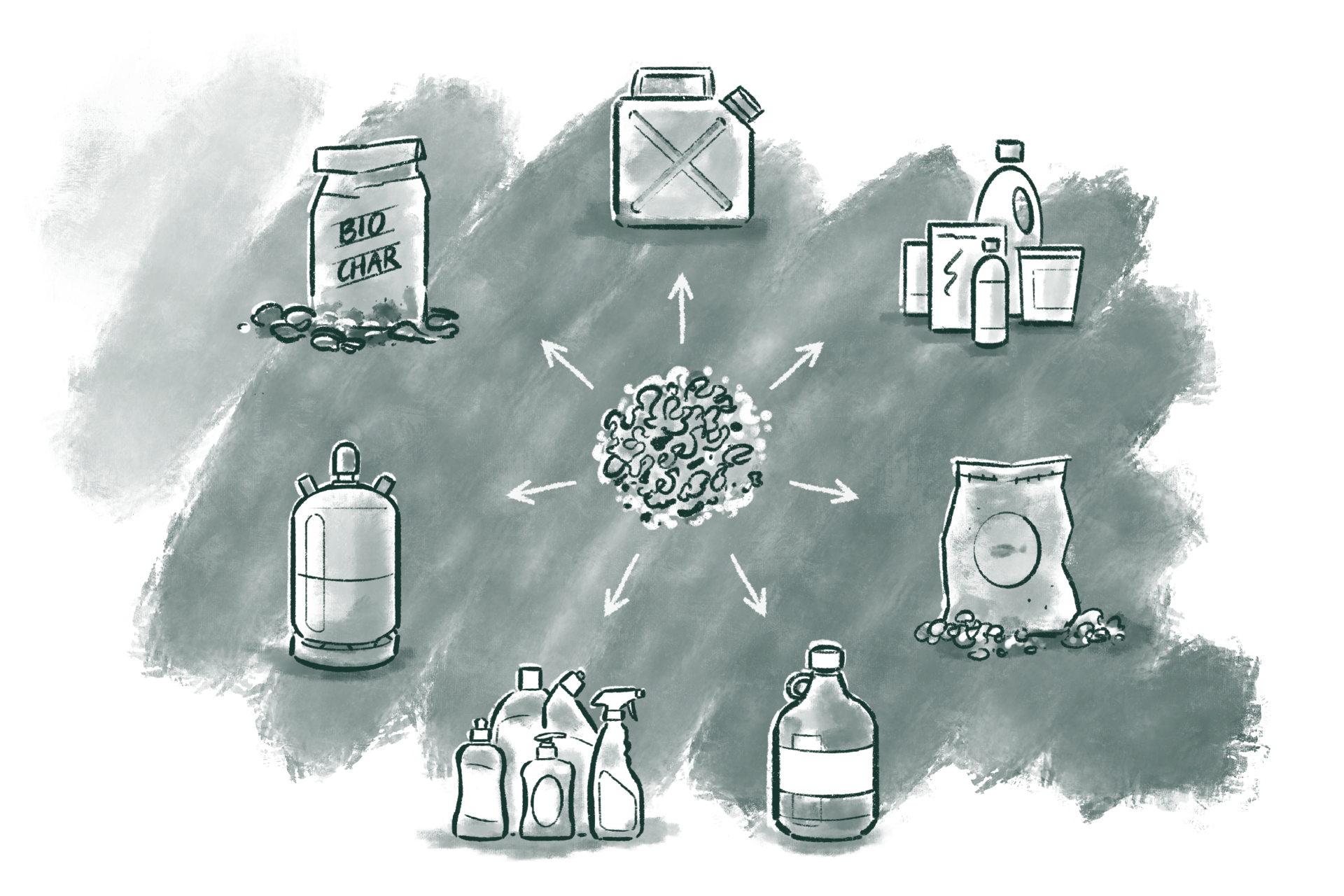
Everyday goods like packaging, textiles and cleaning products rely on petrochemical inputs. Across Southeast Asia, many of these are imported, creating dependency within industries and supply chains.

Biosolutions offer a better way. Using biological processes and renewable local feedstocks, they cut reliance on fossil-based materials without compromising performance. In a region with fast-growing export industries, the opportunities extend beyond resilience and sustainability. Businesses that make the shift can gain a competitive edge in global markets:

  • Less exposure to oil price swings
  • Stable production costs
  • Stronger exports
  • Resilient, future-ready industries

A smarter, stronger industry starts here.
 

GettyImages-1311076854

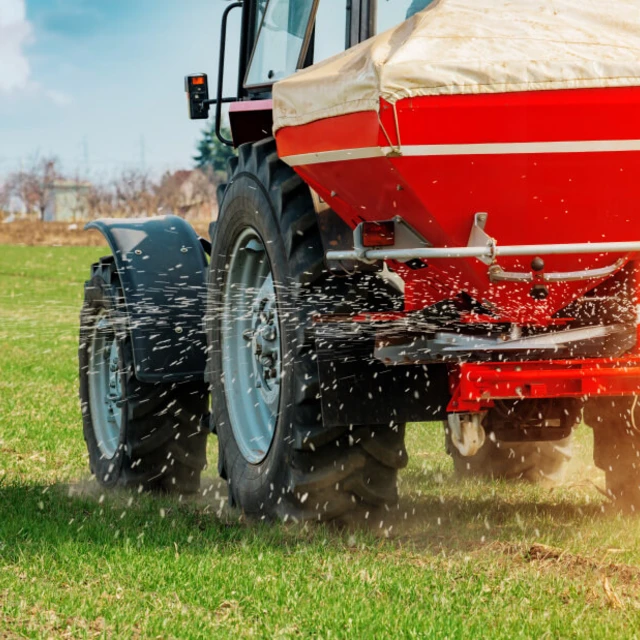
Growing more from Southeast Asia's own soil

The region imports more than two thirds of its fertilizer from outside with Thailand alone sourcing 71% of its urea from the Middle East. When global supply chains are disrupted, farmers across Southeast Asia pay the price through higher input costs and lower yields.*

Biofertilizers and biostimulants offer a home-grown alternative. Rather than replacing fertilizer entirely, they help crops absorb nutrients more efficiently, meaning farmers can achieve higher yields with the same amount, or less. Less spent on imports. More produced from local land.*

Stronger harvests. Lower input costs. A food supply built on resources Southeast Asia already has.

Tractor - wheat fertilizer

Biosolutions unlock more from raw materials

With biosolutions there are more opportunities to turn volatile raw materials into consistent, high-quality output — extending freshness and reducing waste through bioprotection. The result: more food from the same inputs, with less lost along the way.

Aerial view of rice field at Vietnam

Sign up for the Value of Biosolutions reports

With the right policies and investments in place, €877 billion could be generated by biosolutions output globally. Sign up to be among the first to get a report on the potential for your region as soon as the country specific reports are launched.

Turkey_VoB-mockup-1200
Ready for a deep-dive into the world of biosolutions?

Explore how biosolutions reduce reliance on fossils

Explore this issue of the Biosolution Bulletin that explains how the dark, thick liquid extracted from wells dug deep into the Earth until now has powered our cars, fueled our aero planes and kept our ships moving across the oceans — and how biology is now changing the game.​

biorefinery_hero_substance

The future, delivered monthly

Want more? From deep-dives into new tech to visions of a bio-based future, The Biosolutions Bulletin delivers the latest innovations directly to your inbox every month.

Sign up to stay ahead.

To view this form, update your cookie preferences

This form is hidden because Marketing Cookies are turned off. You can enable them in your cookie settings to continue.

Get the latest insights on how to better our world with biology​

Welcome to the world of biosolutions and Novonesis - the latest news, the biggest insights and a glimpse into the life of the worlds leading biosolutions partner.

Review the data and research behind Southeast Asia's transition to biosolutions.