Futureproofing biomanufacturing: How Novonesis is shaping the bioeconomy’s workforce
At Novonesis, advancements in the bioeconomy are centered on both scientific breakthroughs and cultivating the next generation of talent.
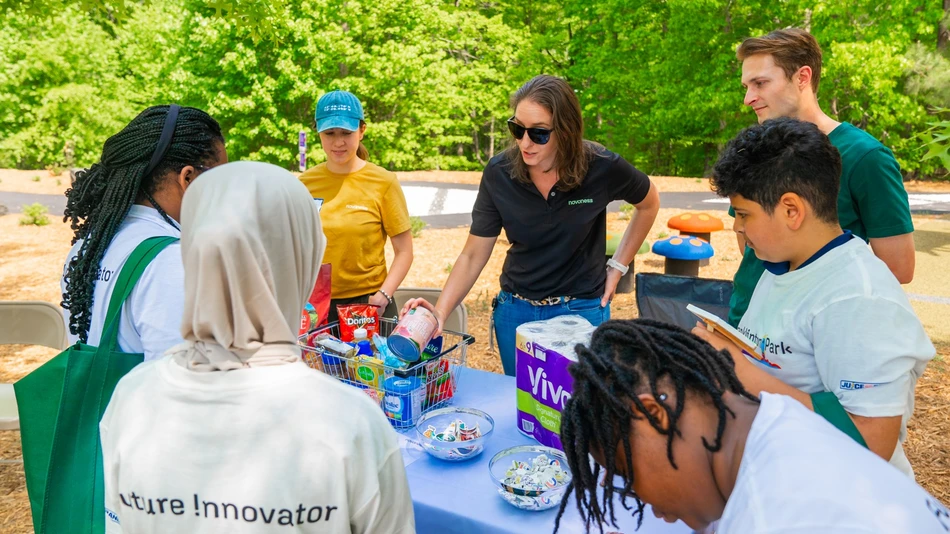
FRANKLINTON, North Carolina, U.S. – September 18, 2025. In classrooms, labs and manufacturing facilities across the country, the future of biomanufacturing is taking shape — driven not only by technology but also by the development of a highly skilled workforce. At Novonesis, advancements in the bioeconomy are centered on both scientific breakthroughs and cultivating the next generation of talent.
With the U.S. bioeconomy contributing over $1 trillion annually and an estimated 3.8 million new manufacturing jobs projected over the next decade, strengthening the workforce pipeline has never been more urgent. Many of these jobs will be in emerging fields like biomanufacturing, where biology and technology converge to solve global challenges and create sustainable solutions. While many students have never considered a future in biotechnology or seen firsthand what modern manufacturing looks like, others are drawn to fields like life sciences and AI. Helping young people connect their interests to real opportunities is at the heart of Novonesis’ efforts — especially through national initiatives like Manufacturing Day.
Manufacturing Day: opening doors and changing perceptions
When young people think about manufacturing, they often imagine outdated, noisy factories. National events like Manufacturing Day challenge those perceptions by opening doors to modern facilities. At Novonesis, students who attend Manufacturing Day gain firsthand exposure to state-of-the-art production environments filled with advanced equipment and technology. They see how biology and manufacturing come together — transforming enzymes and microbes into sustainable solutions in industries ranging from food and beverages to biofuels and household products.
“These experiences can be life-changing,” said Tue Micheelsen, President of Novonesis North America. “When students walk through our doors, they see that manufacturing today is about innovation, sustainability and meaningful careers. It opens their eyes to possibilities they may never have imagined.”
These visits highlight that biomanufacturing is not just about production lines, but about tackling global challenges: reducing carbon emissions, producing safer products and building a more sustainable future. Visitors learn that biomanufacturing relies on a wide range of people beyond the lab and production floor, including project managers, communications teams, sales professionals and others who help keep operations running smoothly and ensure innovation reaches the world.
From interest to opportunity: BioWork and internships
Curiosity alone is not enough. Students need clear pathways to turn their interests into careers. More than 20 years ago, Novonesis helped found the BioWork program, an important stepping stone for those entering the biotechnology and biomanufacturing fields.
BioWork is a certificate program offered through North Carolina’s community colleges. Open to anyone interested in the life sciences, it provides practical training in areas such as laboratory safety, manufacturing processes, good manufacturing practices, and record-keeping. Graduates leave with the knowledge and experience to step into entry-level roles in biotechnology and pharmaceutical manufacturing. Many go on to join innovative companies, including Novonesis, where they bring fresh perspectives into the field.
Novonesis continues to be closely involved with BioWork today, helping make the program more accessible by donating scholarships. So far, Novonesis has sponsored 15 BioWork students, helping them take their first steps into the industry. Many BioWork graduates go on to join Novonesis and other innovative companies, bringing fresh ideas and new energy into the field.
Beyond BioWork, Novonesis also offers internships that give students real-world experience in the industry. Interns work alongside scientists, engineers and technical experts on meaningful projects. They build practical skills, gain insights into how biotech companies operate and explore the many directions their careers could take. For many, it’s the bridge between classroom learning and a rewarding career in biomanufacturing.
Preparing for the future of manufacturing
The bioeconomy’s growth demands more than operators entering the workforce directly from high school. The industry requires technicians and specialists with cutting-edge skills. The future of manufacturing is increasingly high-tech, blending biology, data science and engineering in ways that redefine what it means to work in the sector. The industry also needs people who can operate advanced systems, adapt quickly and apply emerging tools — including artificial intelligence, robotics and automation — to solve problems in real time.
This evolution means tomorrow’s workforce will span a wide spectrum of roles, from operators and lab technicians to AI specialists and process engineers. Many of these roles didn’t exist a generation ago, and the pace of change means continuous learning will be essential. Today’s students must be prepared not only for their first job, but for a career that will require new skills and adaptability at every stage.
Partnerships between industry, educators, and policymakers are key to making that possible. Novonesis collaborates with community colleges, universities and training programs to ensure curricula align with the realities of modern biomanufacturing. This helps close the gap between what students learn in classrooms and the skills employers need on the production floor. By exposing students early to advanced tools and real-world applications, Novonesis helps demystify biotechnology and positions young professionals to thrive in a fast-changing field.
Mike Hess, Senior Manager of Regional Technical Strategy at Novonesis, emphasized, “Innovation in manufacturing is about people as much as technology. We need a diverse set of skills working together to keep pace with rapidly changing demands.”
Building a stronger bioeconomy
A growing bioeconomy requires people who are ready to innovate, adapt and lead. Novonesis continues to support workforce development by opening doors, sharing knowledge and investing in education and training. These efforts aim to inspire the next generation to see biomanufacturing as a place where they can make a meaningful difference.
As Mads Smith, Novonesis’ Director of Digital Transformation and Applied R&D, noted, “Training the next generation to work with these systems ensures we are not only meeting today’s needs but are ready for what comes next.”
The true power of biomanufacturing is not only in what is created. It is in the people who are empowered to create. Novonesis is helping shape the future of manufacturing and building the foundation for the era of biosolutions.
Get in touch
Media relations
