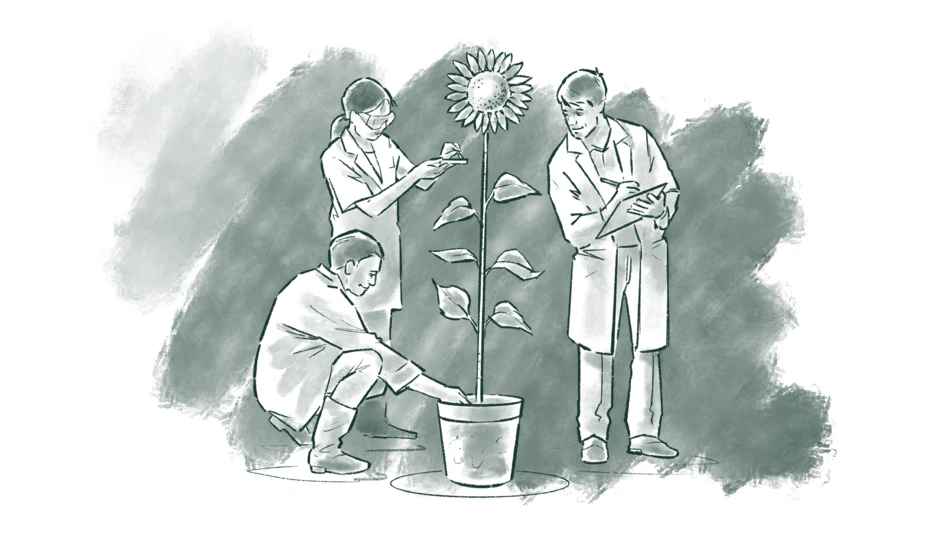
Exploring this intricate web of life, scientists have discovered a remarkable truth: despite our diverse forms and functions, we are all connected by invisible threads of genetic kinship. And these genes have been passed on from one generation to another, for as long back as the evolution started.
Here's where things get fascinating: because we all come from the same ancestor and genes pass on from one generation to another, we humans actually share a lot of genes with other living beings! Yep, that's right—humans, plants, animals, even bacteria—we're all kind of like distant cousins in the big family of life. For example, did you know that we share genetic similarities with a banana? And you thought we’re just related to the chimps and gorillas.
We're all part of one big genetic family tree, with branches reaching out to every corner of the natural world.
Siblings to our help
Now that you know that all living organisms are part of one huge family, answer this question – what do families do? Simple, they help each other! Like any sibling that reaches out to its kin in times of need or when facing a challenge, humans have been reaching out to their genetic kin for millions of years seeking solutions for challenging problems.
From ancient humans discovering farming for growing food and using sheep wool to make clothes to the latest technologies of using viruses to develop vaccines against deadly diseases, humans have always relied on plants, animals, and microbes to improve their lives.
Microbes are found in the harshest places
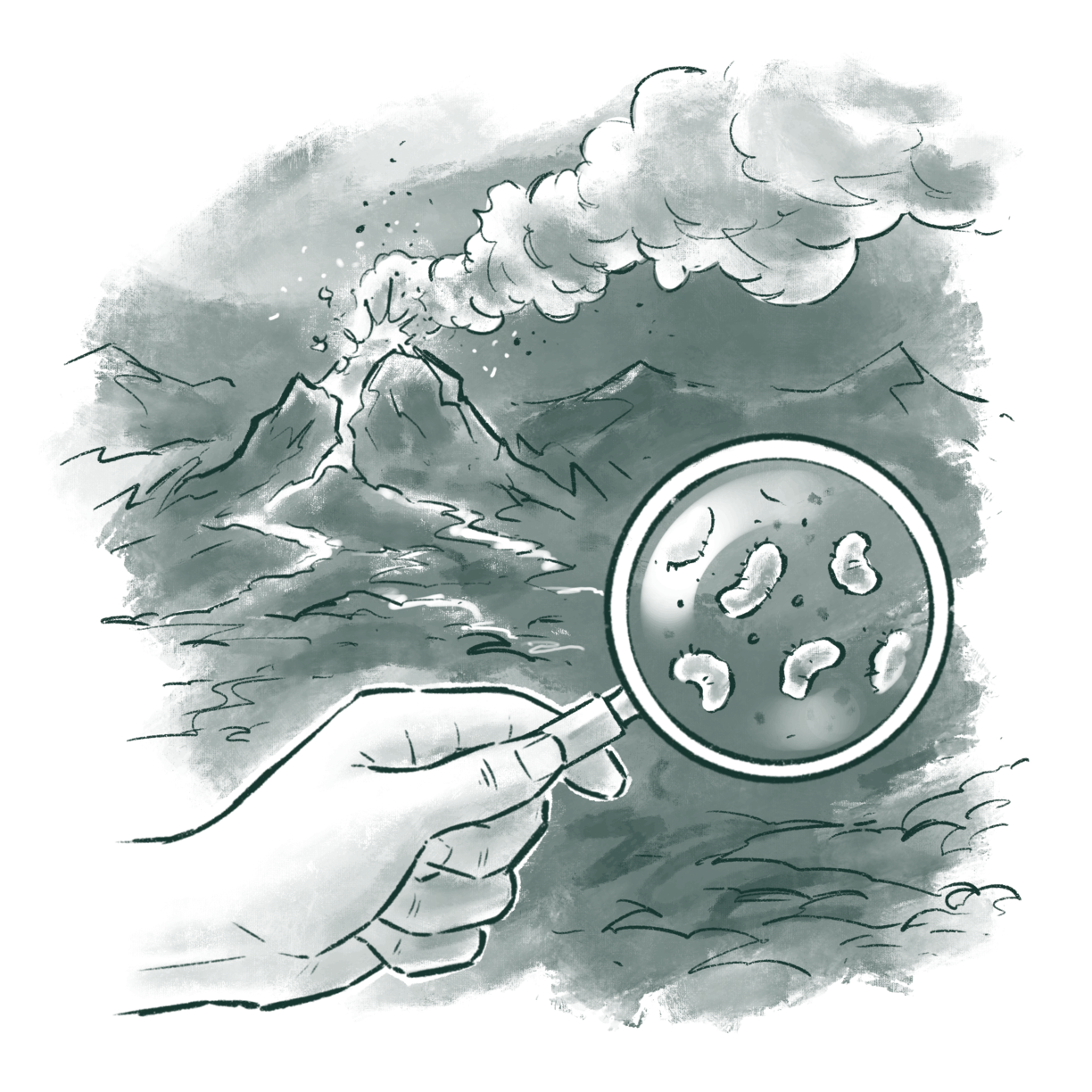
However, among all our genetic kin, plants and microbes have stood out as the most versatile sources of solutions to our problems. Why? Because both plants and microbes, like bacteria and fungi, can be found living in some of the harshest places on the planet, from the freezing polar ice caps to the boiling volcanoes. Their resilience powered by their varying evolutionary journeys makes them the best candidates for scientific studies to seek biological solutions to our real-world problems.
And that is how humans started finding biological solutions a.k.a. Biosolutions — answers to pressing problems ranging from medicine to environmental interventions. Now, let’s take a look at some of the ways we have been utilizing plants and microbes to develop biosolutions.
Natures pharmacy
Biosolutions also offer a hearty and healthy breakfast
Most of the world’s population is lactose intolerant but milk is a nutritional and tasty part of many people’s breakfast, especially for children. Biosolutions have made it possible to remove lactose (milk sugar) from milk. Not just that, but also adding more dairy fibers to the milk and reducing the addition of sugar for those who prefer low-sugar foods.
Plants as medicine cabinets
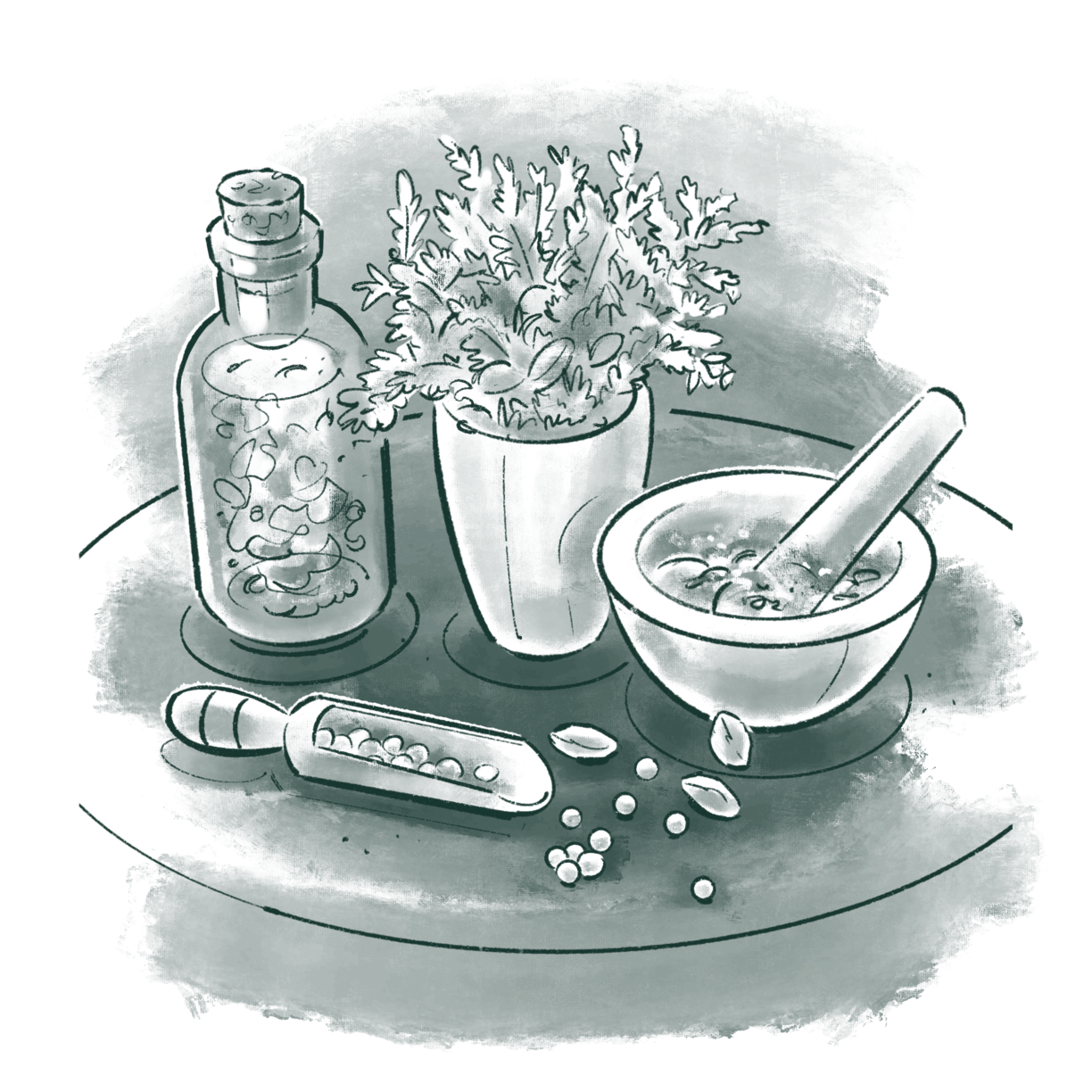
In the quest for healing, humans have long turned to nature's pharmacy – harnessing the medicinal properties of plants. Traditional healing systems worldwide have relied on the wisdom of herbal remedies, utilizing leaves, roots, and fruits to combat ailments and restore balance to the body.