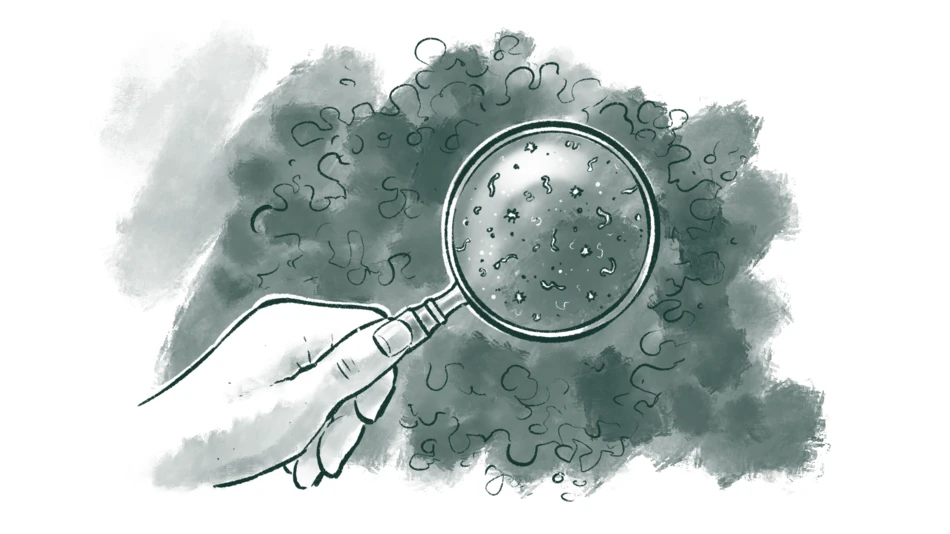
And those concerns are valid. Studies show that just one gram of soil from the rhizosphere—the space around plant roots—can contain up to one billion bacteria. This region is bustling with countless other microbes too, including tiny worms called nematodes, fungi, algae, viruses, and parasites.
While we try to avoid these microbes, plants actually depend on them for their survival. In fact, without these microscopic helpers, plants as we know them wouldn’t even exist.
Scientists have been exploring the world of microbes for over four centuries, starting with Antonie van Leeuwenhoek in the late 17th century, who crafted microscopes to examine various materials, including soil. He discovered tiny living organisms and called them "animalcules" long before "microbe" was even in use.
This is where our journey begins—at the fascinating intersection of microbiology, soil science, plants, and agriculture. Let’s explore the vital roles that soil microbes play in the life of plants and how this knowledge has transformed agriculture.
Humans, agriculture, soil science, and microbes
Humans began cultivating plants about 23,000 years ago1, and soil fertility was key to early agriculture. Civilizations like Mesopotamia managed soil fertility over 6,000 years ago2, laying the foundation for soil science. In ancient Rome, Cato the Elder wrote about composting and using animal manure3. China’s oldest agricultural text, by Fan Shengzhi4, also emphasized enhancing soil fertility.
For centuries, soil was seen as a source of fertility, but it wasn’t until the late 19th century that scientists like Vasily Dokuchaev5 and Jean-Baptiste Boussingault6 recognized soil as a natural body worthy of study and identified nitrogen as essential for plant growth. Pioneering scientists like Martinus Beijerinck7 and Sergei Winogradsky8 later discovered bacteria that fix nitrogen, turning atmospheric nitrogen into a form plants can absorb. Beijerinck identified Rhizobium bacteria living on legume roots that form a mutually beneficial partnership with plants.
Winogradsky built on this, finding bacteria that convert ammonia into nitrates, forms of nitrogen plants can use. These discoveries paved the way for understanding how microbes like nitrogen-fixing bacteria and nitrifying bacteria support plant life.
But nitrogen-fixing is just one of the many critical roles that soil microbes play in supporting plant life. Since the 19th century, microbiologists have been delving into the fascinating world of soil microbes, uncovering numerous species that aid plants in various ways.
The relationship between soil microbes and plants
Soil is much more than just a base for plants to anchor their roots. Soil microbes play a crucial role in ensuring that plants grow strong and healthy. Let’s explore some of the key ways they help plants:
- Providing nutrients: Soil microbes break down minerals and organic materials, turning them into forms plants can absorb. For example, Bacillus amyloliquefaciens helps plants absorb phosphorus, a key nutrient for growth and photosynthesis.
- Boosting disease resistance: Some microbes act as natural defenders. Bacteria like Pseudomonas fluorescens protect plants from harmful fungi and bacteria while strengthening their immune systems. Similarly, bacteria like Streptomyces lydicus compete with harmful fungi, reducing the need for chemical pesticides.
- Improving soil structure: Mycorrhizal fungi form partnerships with plant roots and create a mycelium (a root-like structure of fungi) network in the soil as well as produce exudates (secretions) that bind soil particles together. Both of these attributes improve crop access to nutrients and water.
- Helping plants tolerate stress: Soil microbes help plants manage challenges like drought and toxins. Pseudomonas putida bacteria form a protective layer around roots, helping plants resist drought. Other microbes can detoxify heavy metals or help plants in salty soils.