Türkiye can strengthen its resilience by unlocking the power of its own resources — through biosolutions that convert local potential into energy, value and long-term competitive advantage.
Pinar Tunckol
Country Manager
Novonesis Türkiye
Why rely on imported oil and gas when Türkiye can grow a prosperous future with biosolutions?
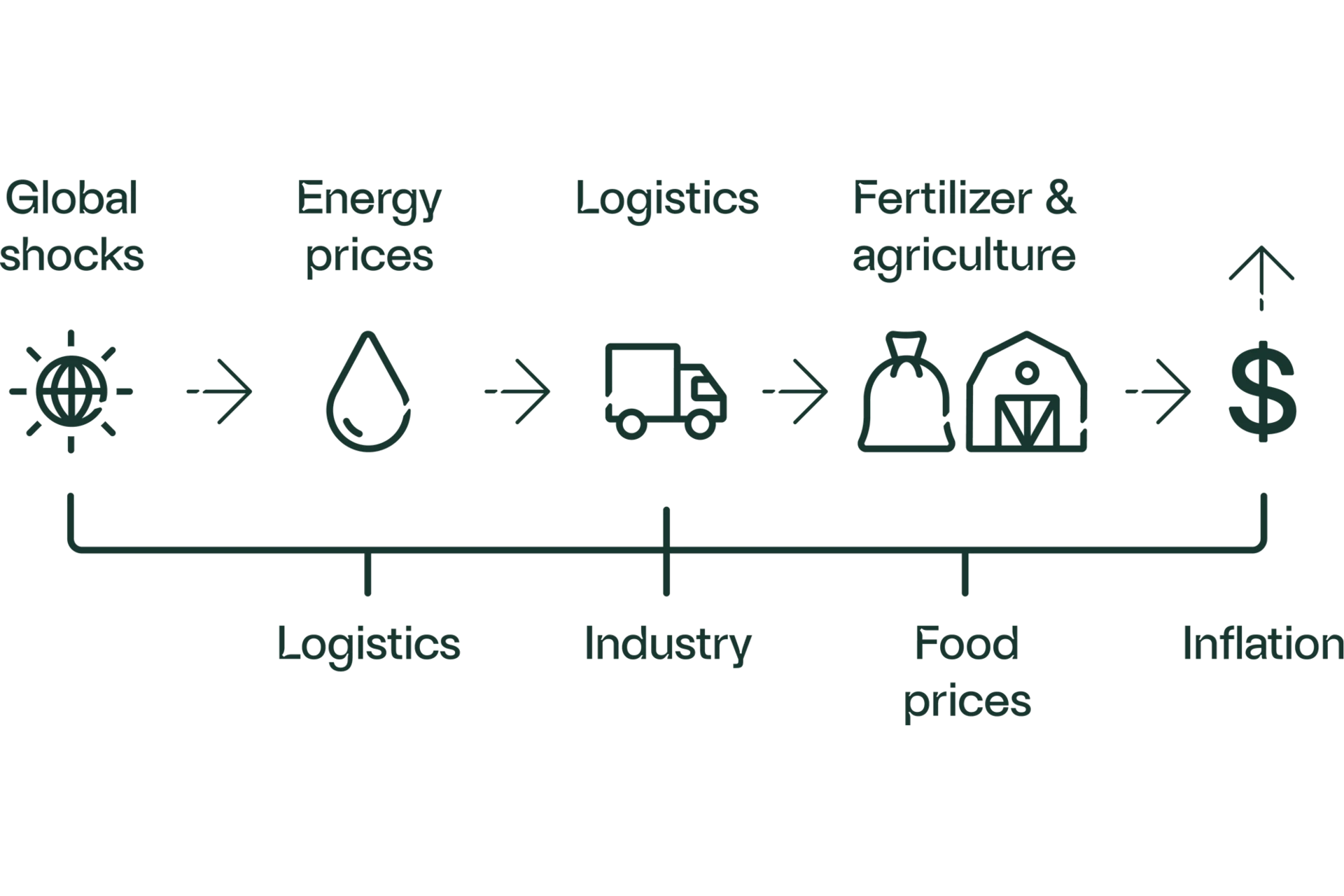
Türkiye imports 75% of its crude oil and approximately 80% of its liquefied petroleum gas (LPG). It also depends on imports for 70–80% of its fertilizer needs, creating a system-wide vulnerability for Turkish economy.
But there is another way. Home-grown solutions like bioethanol and biogas can replace fossil-based alternatives, paving the way for energy resilience, a competitive economy, enhanced food and national security.
All of this is possible thanks to biosolutions.
As the world’s 7th largest agriculture producer and number 1 in Europe, Türkiye is well-positioned to use its agricultural output to ensure both resilience and national security as well as help boost exports. If done right, the agricultural output can ensure both food, feed and energy.
Examples of this output include:
of corn annually
of wheat annually
of agricultural residues annually
Türkiye can achieve strong progress from a clear focus on bioenergy. Here are a few examples, and this is only the beginning of what home‑grown solutions can accomplish.
potential jobs created annually across agriculture and industrial value chains
potential reductions in energy imports annually
CO₂ reduction annually
Türkiye can strengthen its resilience by unlocking the power of its own resources — through biosolutions that convert local potential into energy, value and long-term competitive advantage.
Pinar Tunckol
Country Manager
Novonesis Türkiye
In a world of increasing volatility, resilience begins at home. For Türkiye, reducing dependency on imported energy and inputs is not only an environmental goal — it is an economic imperative.
Türkiye’s transport relies heavily on imported fuels, exposing it to global price volatility and economic instability. Bioethanol and biodiesel offer scalable solutions to reduce this dependency. By blending bioethanol (E10) and biodiesel (B5) into existing fuel systems, Türkiye can lower imports, cut emissions and enhance supply security — without overhauling infrastructure.
Higher blending levels over time can amplify these benefits, creating lasting impact:

Türkiye’s strength isn’t just industrial — it’s agricultural. Crops like corn, wheat and barley hold the key to a resilient bioeconomy. They can fuel both food and energy systems, working together instead of competing. With the right approach, Türkiye can unlock this potential while protecting food and feed supplies. It’s about smarter land use. Planned agriculture. Better resource management. By doing this, Türkiye can boost productivity and balance food, feed and energy needs.
And it doesn’t stop there. Agricultural residues and organic waste add even more value — no extra land required. The benefits are clear:
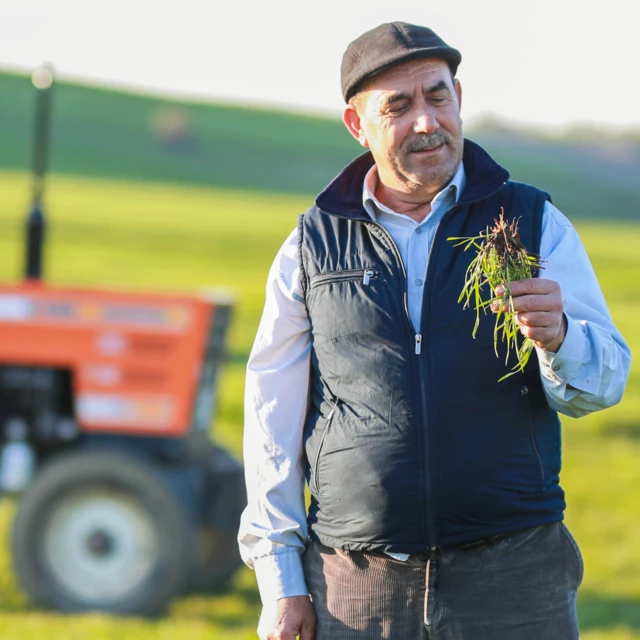
Fertilizers are vital for feeding populations — but in Türkiye, they come with dependency. A large share is imported, leaving agriculture vulnerable to global price swings. Biosolutions offer a smarter path. They improve nutrient efficiency, boost soil health, and reduce reliance on imports. The result? More stable agricultural systems. The benefits are clear:
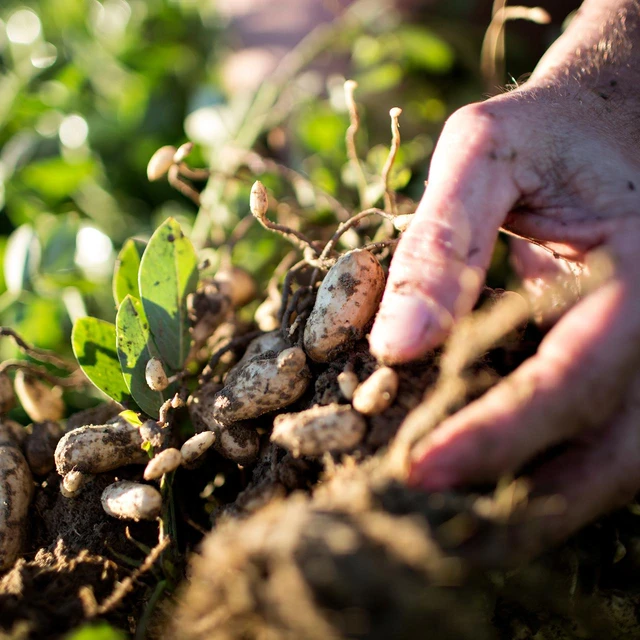
Everyday goods — packaging, textiles, cleaning products — rely on petrochemical inputs. In Türkiye, many of these are imported, creating dependency within industries and exports. Biosolutions offer a better way. Using biological processes and renewable inputs, they cut reliance on fossil-based materials without compromising performance. In an export-driven economy like Türkiye, this shift is not only about resilience — it's about gaining a competitive edge in global markets. Hence, this isn’t just about sustainability — it’s about staying competitive:

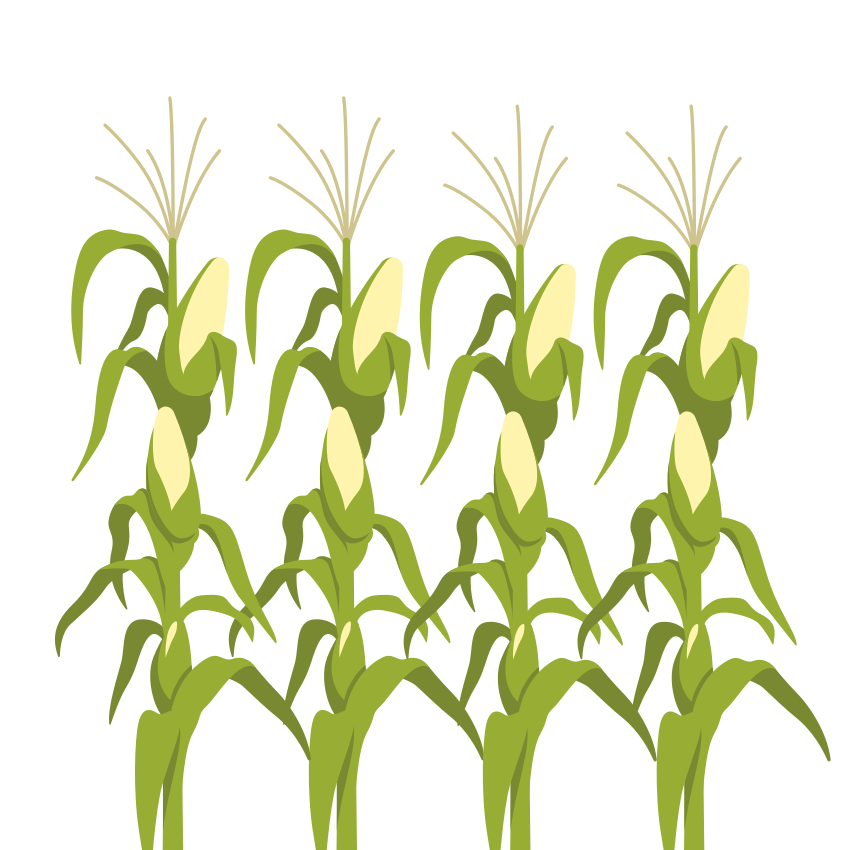
Instead of relying on imported, limited resources, biosolutions tap into what’s already around us: renewable resources such as plants, crop residues and agricultural waste to power Türkiye from within.
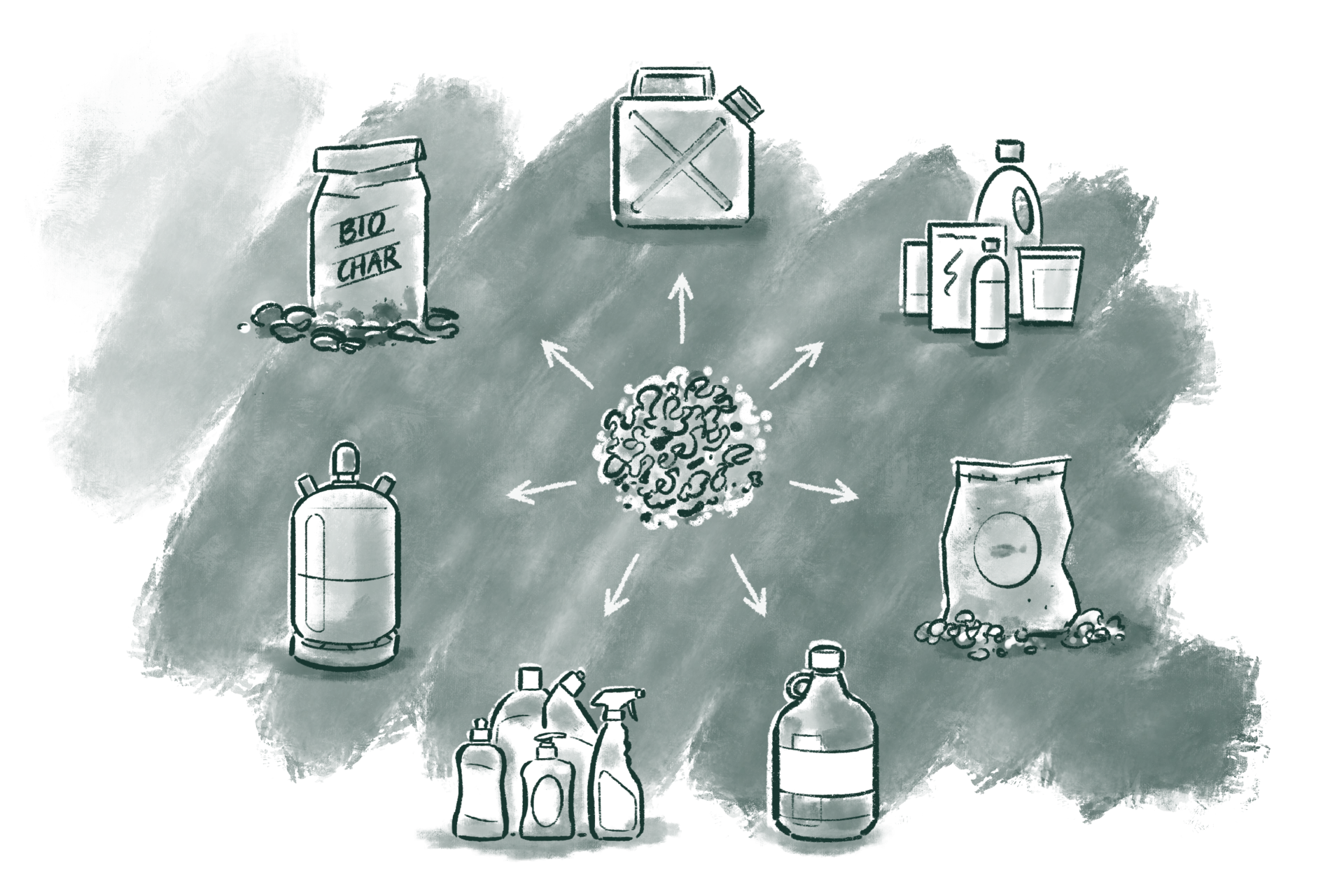
Biosolutions break the organic matter into its different components and use each component in the most efficient way — to provide home-grown alternatives to oil and gas products.
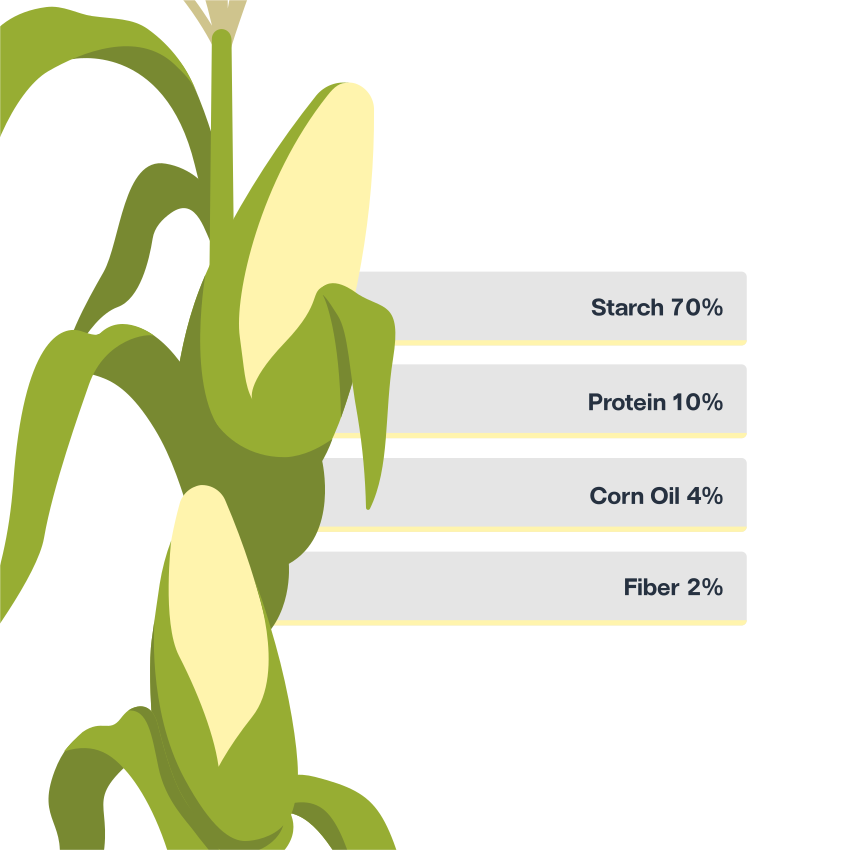
The corn kernel contains many parts, each can be extracted and turned into different revenue streams:
Starch 70% - Used for transport fuel (ethanol). It is also be used for sweeteners (corn syrup) in food and beverage.
Protein 10% - Used for high quality feed for animals.
Corn oil 4% - Used as feedstock for renewable diesel.
Fiber 2% - Used for high quality cellulosic fuel.
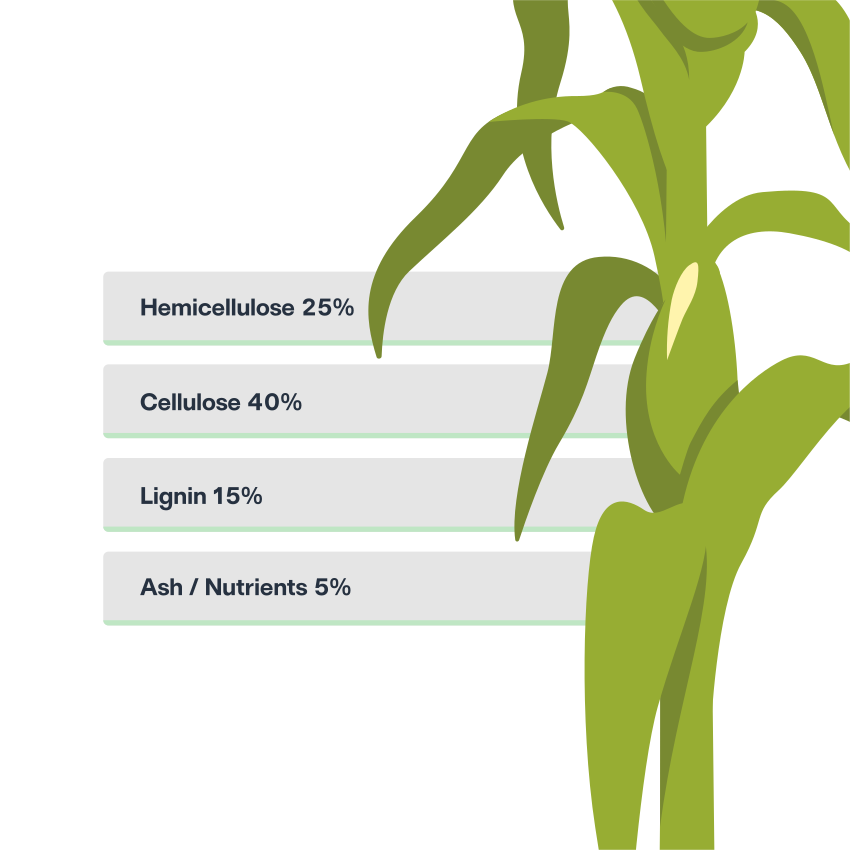
The stover and stork contains many parts, each can be extracted and turned into different revenue streams:
Hemicellulose 25% and cellulose 40% - Can be used for biomass-based fuels. Just like with starch, and potentially even for green chemicals.
Lignin 15% - Can be used to generate electricity and heat for facilities. Can potentially be mixed with ethanol to make green shipping fuels.
Ash / nutrients 5% - Can be used for feed production, upgrading the quality of the feed.
With the right policies and investments in place, €877 billion could be generated by biosolutions output globally. Sign up to be among the first to get a report on the potential for Türkiye as soon as the country specific report is launched.
Explore this issue of the Biosolution Bulletin that explains how the dark, thick liquid extracted from wells dug deep into the Earth until now has powered our cars, fueled our aeroplanes, and kept our ships moving across the oceans – and how biology is now changing the game.
Want more? From deep-dives into new tech to visions of a bio-based future, The Biosolutions Bulletin delivers the latest innovations directly to your inbox every month.
Sign up to stay ahead
To complete the get in touch form or sign up, please click on the button below to enable cookies.
Welcome to the world of biosolutions and Novonesis - the latest news, the biggest insights and a glimpse into the life of the worlds leading biosolutions partner.
Review the data and research behind Türkiye's transition to biosolutions.