Starch liquefaction – a cornerstone of brewing success

Efficient starch liquefaction is the foundation of brewing excellence. With our enzymes, you will enhance process robustness, expand capacity, and optimize extract yield for consistently superior results.

Overcoming adjunct liquefaction challenges

Adjuncts such as maize (corn), rice, cassava and sorghum have much higher gelatinization temperatures than the standard barley and wheat. They require special thermal treatment prior to saccharification.  

That means brewers must incorporate a separate liquefaction process prior to mashing. High temperatures, however, will denature malt endogenous enzymes. So brewers end up paying a lot of money for expensive malt, but lose the activity already prior to mashing.

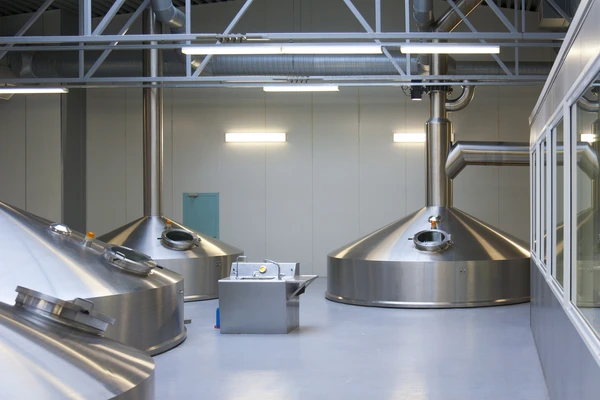
Cereal Brewing two tanks

Get ready for high gravity brewing

Elevate your brewhouse performance and sustainability credentials by increasing brewing gravity. Termamyl® empowers you to confidently raise mashing gravity while maintaining consistent RDF and sugar profiles, even under challenging conditions.

A more robust process

Liquefaction with Novonesis enzymes is faster and more sustainable than with malt enzymes. Our thermostable enzymes eliminate the need for rest during the cooking process, ensuring a seamless and efficient operation.

Brewers have traditionally heated up to 100°C to break down starch. With our enzymes, you can achieve the same results at lower peak temperatures (e.g., 90°C), making it easier to cool down to mashing temperatures.

Streamline your brewing process with reduced energy consumption and improved consistency. Our enzymes enable faster, more reliable operations while maintaining robust performance under high-temperature conditions.

image

Skip cereal cooking altogether!

Enzymes make it possible to avoid the cereal-cooking step altogether.  

It’s possible to process high gelatinizing adjuncts in infusion mashing using Novonesis’ unique enzymes. This ensures a highly fermentable sugar profile and good attenuation. You can even mash different adjuncts in the same brew. ​ 

You get energy savings and higher throughput with enzymes. 
Case studies

See how these customers solved their brewing challenges. 

  • Modern brewery with large latter

    State-of-the-art brewing requires less energy and water

    A brewer in Asia achieved a 63% reduction in time for cereal cooking after adding our thermal-stable Termamyl® SC DS to the rice mash

  • Interior of brewery large steel tanks

    Skipping the need for a cereal cooker

    An international brewer wanted to implement a known recipe into another of its breweries. But the “new” brewery did not have a cereal cooker. How to overcome the equipment limitation?

  • brewing tank

    Achieving consistent propagation results

    Many brewers experience low consistency from batch to batch in their laboratory propagations from slant to Carlsberg Flask.  

    Process parameters can be hard to control, resulting in significant variations in important propagation parameters at the end of the propagation process.  

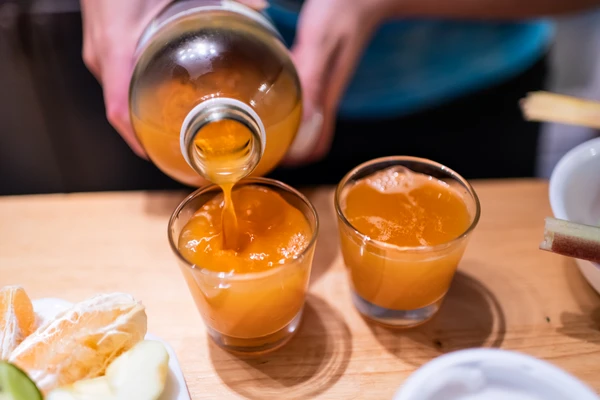
  • Person serving a glass of kombucha

    Make probiotic claims on a kombucha product label

    The live microorganisms in kombucha are a nightmare for producers. Here’s a way to make clear probiotic claims on the label in a cost-effective way. 

Get in touch.

Have questions? We’d like to hear more about what you need. 

One more step…

To complete the get in touch form or sign up, please click on the button below to enable cookies.