
Women's health
How a women’s health pioneer is turning noise into meaning
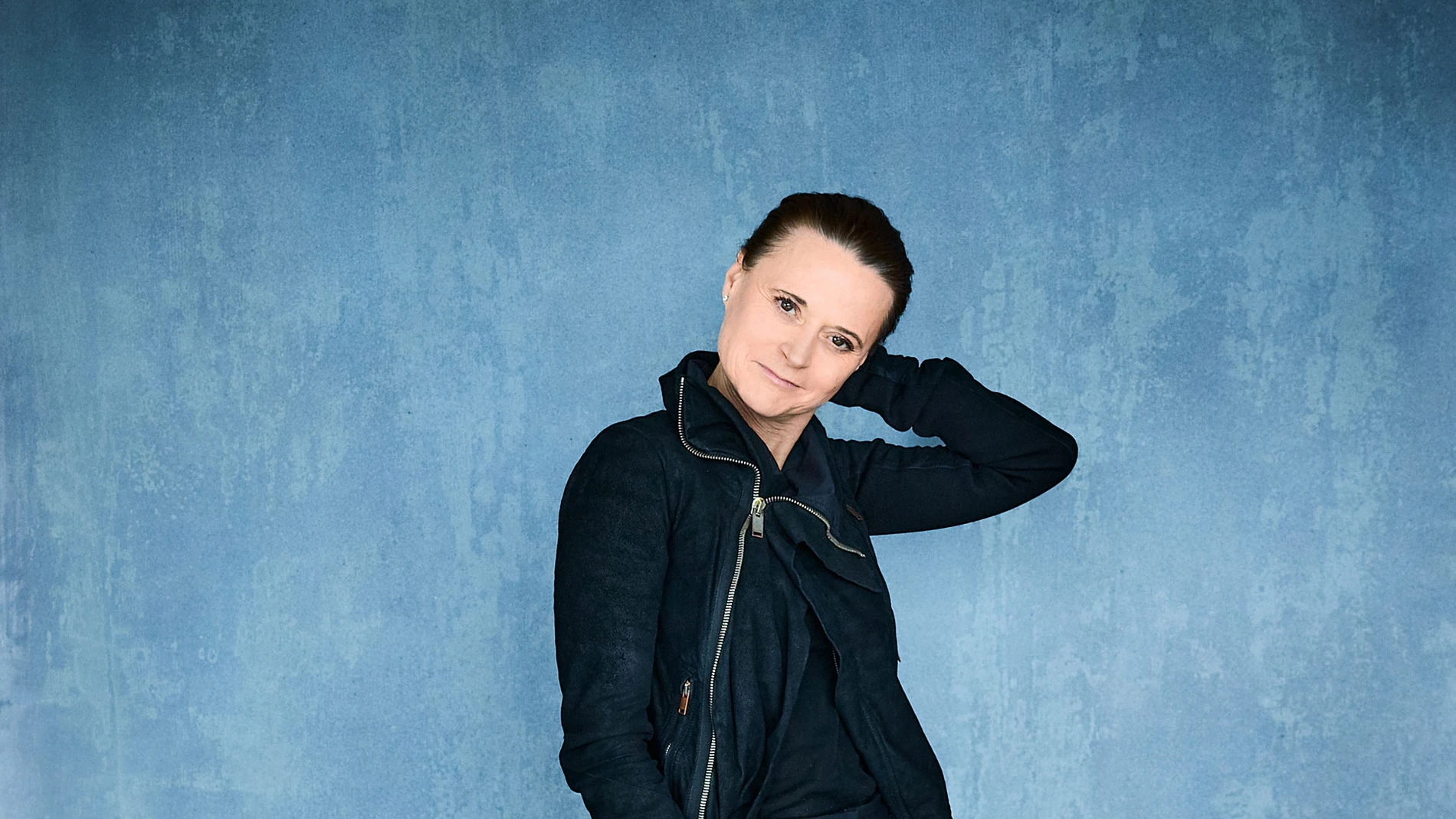
Henriette Svarre Nielsen is a leading figure in women’s health, studying the complex interplay between the female body and its microbiomes.
As a professor at the University of Copenhagen and the Head of Recurrent Pregnancy Loss at Copenhagen University Hospital Hvidovre, Henriette Svarre Nielsen has dedicated her working life to improve the understanding, diagnosis, and treatment of the conditions unique to women.
“For 150 years, we relied on male physiology to understand human biology. Due to the hormonal, immunological, endocrinological and metabolic complexities, the female body was considered too difficult and too noisy,” explains Henriette Svarre Nielsen.
The practice of basing research and treatments on male physiology created major knowledge gaps and gender inequity in healthcare. We suffer the consequences today, with women spending about nine more years in poor health than men.
However, in the past few years, the female physiology and women-specific conditions are finally getting the attention that is needed. Stakeholders from research to business are increasing their focus on women’s health, pointing out the 1 trillion $ potential of closing the health gap between men and women.
Science is what drives the innovation that will eventually result in more women living for more years in good health, and we’re hard at work turning what was previously considered noise into insights and meaning.
Svarre Nielsen said, and continued: “But we have a very large gap to fill and that takes time and continued investment.”
Henriette Svarre Nielsen is running several research projects looking at different elements of female health across the lifespan — and in many of them, the microbiome is playing a key role.

”We started paying attention to the microbiome more than 10 years ago when the first studies showed the impact of the gut microbiome. We thought the vaginal microbiome had to have significant impacts as well,” says Henriette Svarre Nielsen, who’s since spearheaded several clinical studies investigating the importance of the vaginal microbiome in women-specific conditions like menstrual cycle, endometriosis, infertility and pregnancy loss.
In an ongoing study, Henriette Svarre Nielsens research group in collaboration with Professor Thomas Folkmanns group are doing the first ever molecular mapping of the menstrual cycle. In the study — called Cyclome — participants hand in a battery of samples each day of their period, helping the researchers map out the mechanisms that drive the normal menstrual cycle.
This is about basic understanding and about turning noise into meaning. And while it is a long road, it’s one we need to take to build the foundation for better prevention and treatment of women in the future.
Henriette Svarre Nielsen says with emphasis.
As part of Cyclome, Henriette Svarre Nielsen and Thomas Folkmann are partnering with Novonesis on additional analyses of six participants’ daily samples.
“Ultimately, the goal is to turn all this new knowledge into targeted products and treatments that can improve the lives of women. We want to work with companies who share our goals and have the skills to achieve them.”
About Henriette Svarre Nielsen
MD, DSMC, head of recurrent pregnancy loss at Copenhagen University Hospital and a professor at University of Copenhagen.
She spent time working in Ethiopia as a doctor of Obstetrics and Gynecology. After returning to Denmark, she started the Maternity Foundation, went on to sub-specialize in reproductive medicine and assume the role of Head of Recurrent Pregnancy Loss at Copenhagen University Hospital Hvidovre.
She is a co-founder of OvaCure, an NGO focused on treatments for ovarian cancer and co-founder of Enya Health, an early-stage tech startup building the future of menstrual cycle tracking by combining hardware and software. Further, she has collaborated with Freya Biosciences, testing the efficacy of antibiotic-free vaginal microbiome transplantations in randomized controlled trials.
Explore other cases

The art of aging well
Living longer is one thing. Living well is another. Explore what the world can learn from China's approach to healthy aging — with Hongwei Wang, PhD, Head of Scientific Support at Novonesis.

Eating habits have changed. Now food has to work harder.
GLP-1 therapies are transforming how people eat — and what they expect from their food. Health Science Expert Rebecca Replogle, PhD explains why nutrient-dense food is no longer a niche trend.

The dairy double act reshaping food
High-protein dairy is booming. But the real opportunity — for consumers, companies and the industry — runs deeper than muscle. It lives in the gut.