

Healthy longevity
The art of aging well
What a global shift toward healthy aging can learn from everyday life in China
Around the world, people are asking a new question: how do we stay healthy, active, and well in those later years?
In China, where roughly 20% of the population is over 60, that question is especially visible. "A big group of people want to live longer and healthily," explains Hongwei Wang, PhD, Head of Scientific Support at Novonesis. "That's why healthy aging is in focus from academia to industry — there is a growing market need."
A way of living, not just a goal
In cities like Shanghai, the focus on healthy aging shows up quietly, especially in the early morning. Parks fill with people moving through Tai Chi, breathing in rhythm with each step. Others gather to stretch, dance or simply spend time together.
These routines reflect a simple idea: health is something you build over time, through balance and consistency. Meals tend to be varied, and fermented foods are a natural part of the diet — supporting digestion and everyday well-being. Increasingly, people are also looking to science to support the choices they make every day.
In China, aging isn't viewed as a decline," says Dr. Wang. "It's a new chapter aimed at happy living. The goal isn't just to live longer, but to live well."
Behind that philosophy, consumers are making choices that make healthy longevity possible — and here microbiome science plays a central role.
Watch the video, where Hongwei Wang, PhD connects centuries of Eastern wisdom with cutting-edge microbiome science.

Why the gut microbiome matters
The gut microbiome — the community of microbes in the digestive system — helps break down food, produce nutrients, and support immune and metabolic balance.
When researchers study the gut microbiome of healthy older adults, familiar patterns emerge. "We see diversity. We see resilience," Dr. Wang explains. "We also see certain bacteria, like bifido, that appear to help people thrive. The microbiome is more stable over time in healthy older adults.”
But for many people, that balance shifts as they age – and that is where microbiome science can help.
Watch the video, where Linda Neckmar, Senior Vice President, Human Health, explains how the microbiome evolves over time — and why that matters for healthy aging.

From observation to application
This is where microbiome science becomes practical. Researchers isolate specific bacterial strains — from fermented foods or healthy individuals — and study how they survive digestion and interact with the gut. Only a small number meet strict criteria.
"We are very deliberate in selecting strains," Dr. Wang says, "ensuring proven stability, safety and efficacy." These strains can then be used in foods like yogurt or in supplements, bringing microbiome science into everyday life.
A shared direction
What is happening in China reflects a broader global shift. Across continents, people are making more intentional choices about how they age — staying active, eating thoughtfully, and looking to science for support.
"What we learn in China doesn't stay in China," Dr. Wang says. "The biology of healthy aging is universal. That's why we have R&D labs around the world advancing microbiome science."
Small, consistent habits can shape how we feel over decades. The goal, wherever you are, is the same: not just to live longer — but to live those years well.
Start early. Stay strong.
Live better.
So no one should wait to start the journey towards lifelong health. Help your customers unlock the potential to love the healthy life they live.
Explore other cases
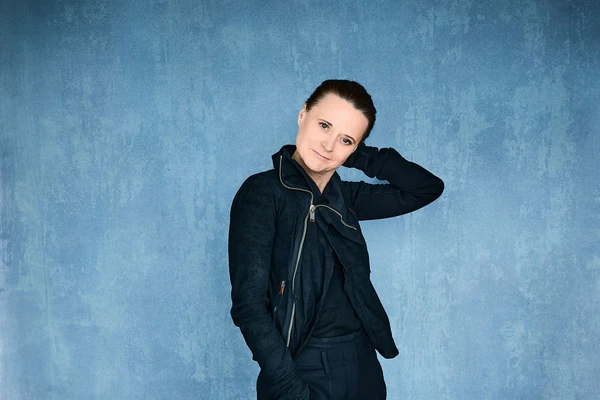
How a women's health pioneer is turning noise into meaning
The female body and its microbiomes are in constant conversation — and we are only beginning to understand what they are saying. Henriette Svarre Nielsen shares what this means for the future of women's health.
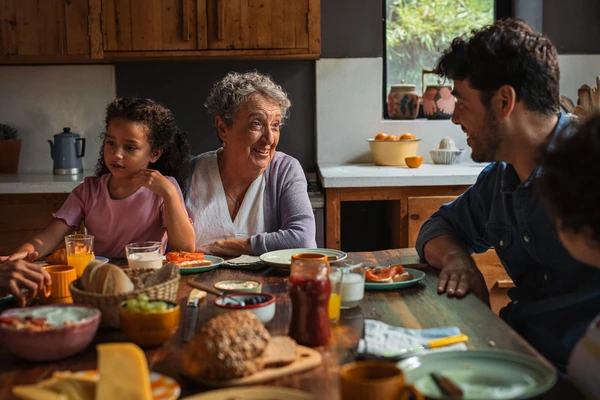
Eating habits have changed. Now food has to work harder.
GLP-1 therapies are transforming how people eat — and what they expect from their food. Health Science Expert Rebecca Replogle, PhD explains why nutrient-dense food is no longer a niche trend.
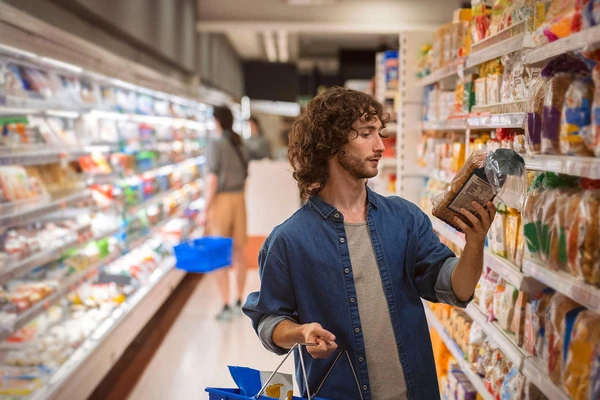
From ingredients to gut health
Clean labels. Biological ingredients. Shifting expectations. Find out how enzymes and cultures are reshaping what healthy food looks like — with Finn Wulff, Head of Consumer Insights at Novonesis.