How climate change is unraveling winemaking

As vineyards worldwide bustle with the energy of harvest, the story of winemaking faces an unprecedented challenge. Climate change is disrupting centuries-old traditions, altering the delicate balance that defines the character of wine.

The Biosolutions BulletinEnzymes13 Min readPublished on Nov. 4, 2025
Wine_heroFrom the vine, two paths emerged: larger, sweeter grapes for eating, and smaller, richer-skinned grapes that would one day become wine.

Rising temperatures, volatile weather, and shifting growing seasons are reshaping the conditions under which grapes thrive. Yet, amidst this uncertainty, biosolutions are emerging as a lifeline, helping winemakers adapt while preserving the essence of terroir and ensuring the legacy of wine endures. To see today’s challenges in context, we’ll first take a brief trip through wine’s long history with nature.

About 11,7001 years ago, as the last Ice Age ended, the Earth was a different place. Retreating ice sheets left behind fertile valleys and new rivers, giving small human populations the chance to settle and farm. Among the plants humans began experimenting with, one stood out: the wild grapevine. Its berries were sweet, juicy, and ready to eat straight from the vine, offering both energy and pleasure. Humans started domesticating these wild grapevines.

Mills_can_achieve_same_paper_brightness_with_far_less_chemical_bleach

As the Ice Age waned, fertile valleys and wild grapevines invited early humans to settle, farm, and discover the pleasures of cultivation.

Modern genetic studies reveal this happened across two2 regions: the South Caucasus (present-day Georgia, Armenia, and Azerbaijan) and Western Asia (modern-day Turkey and nearby regions). In both areas, people made similar observations: some vines produced sweeter fruit, some ripened more reliably, and some yielded bigger harvests. Naturally, they chose to propagate these.

One of the most important changes came from a feature hidden in the flowers. Wild grapevines usually produced either male or female flowers, meaning only some vines gave fruit, leading to inconsistent harvests. Occasionally, a vine appeared with flowers containing both sexes, allowing it to self-pollinate. Farmers noticed these vines always bore fruit and began to favor them. Over time, these self-fertilizing vines became a hallmark of domesticated grapes.

This careful selection did not stop at reliability. People also began noticing subtler traits. Some grapes carried more aromatic, perfumed, or complex flavors. These were valued just as much as sweetness and juiciness. Over generations, human choices shaped grapevines that no longer looked or behaved like their wild ancestors.

Around_11.000_Years_Ago_Humans_Experimented_With_Wild_Grapevine

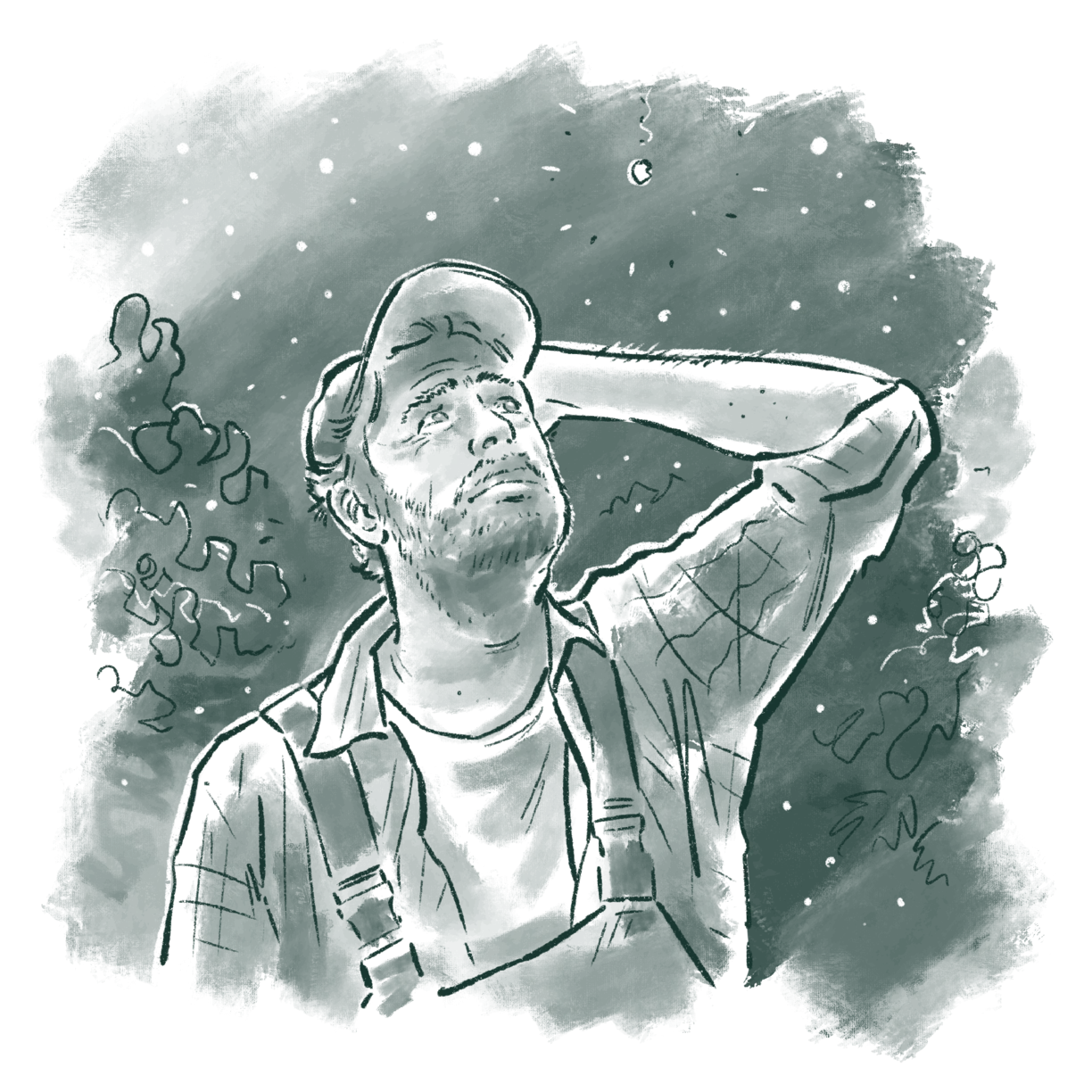
Centuries of tradition meet an unpredictable climate — the art of winemaking stands at a crossroads.

As human communities spread, they carried grapevines with them. Travelers heading west into Europe planted vines in river valleys and on Mediterranean slopes. Others moved east, bringing vines into Central and East Asia. Each new landscape brought challenges and opportunities. Grapes planted in different soils, climates, and elevations developed new characteristics. At the same time, domesticated vines sometimes crossed with local wild grape populations, blending traits and creating fresh diversity.

This gradual spread and mingling led to a remarkable division. Grapes began to separate into two broad groups. Some became what we now call table grapes, favored for eating, so people encouraged traits like larger berries, softer skins, and a sweeter taste. Others became the ancestors of today’s wine grapes. These tended to have smaller berries with thicker skins, richer in color and tannins. They also carried more sugar, which was crucial for something humans were just beginning to discover: fermentation, the ancient biological process where microbes convert sugars into energy and alcohol.
 

From snack to sip

At some point, perhaps by accident, grape juice was left in a container long enough to transform. Natural yeasts on grape skins, hungry for energy, began converting sugar into alcohol. What emerged was no longer juice, but wine. Archaeological evidence from Georgia3 shows this discovery was made about 8,000 years ago, just a few thousand years after the domestication of grapes.

Climate_Change_Is_Unraveling_Winemaking

A curious discovery — forgotten grape juice transformed itself, and in that moment, wine was born.

Over centuries, wine became more than just a way to preserve grape juice or a source of nourishment. Celebrated for its rich flavors and stimulating appeal, it found a place in rituals, feasts, and trade. The Egyptians painted vineyards on tomb walls, the Greeks worshipped Dionysus, their god of wine, and the Romans established vineyards wherever they went, from modern-day Italy and France to Britain.

Across those millennia, climates shifted, and so did agriculture, traditions, and winemaking practices.

Grapevines adapted to their new homes, and people adapted their winemaking to the grapes they cultivated and the climates they lived in. New grape varieties emerged — Cabernet Sauvignon, Shiraz, Chardonnay — as did regional wine identities shaped by both the grapes and the methods used to transform them. Burgundy, Rioja, and Tuscany became more than place names; they became recognizable styles, each carrying the distinct stamp of where and how it was made.

For most of history, the pace of climate change was gradual. Vines and traditions had time to adjust, and the character of regional wines remained stable. But today, human-driven climate change is reshaping the environment far faster than vineyards can adapt. The unique character of wine from every region is now under threat, and winemakers cannot simply switch grapes or techniques without eroding the very identity that defines their regions, typically defined by ‘terroir’: The mix of climate, soil, geography, and tradition that shapes each vineyard’s signature. As climate change threatens this typicality, biosolutions are emerging to help preserve the unique identity of every wine.

This article is part of The biosolutions bulletin. Want it in your inbox every month?

The_winemaking_journey_from_grape_to_glass

Understanding all the steps of winemaking is key to understanding why climate change threatens wine so profoundly.

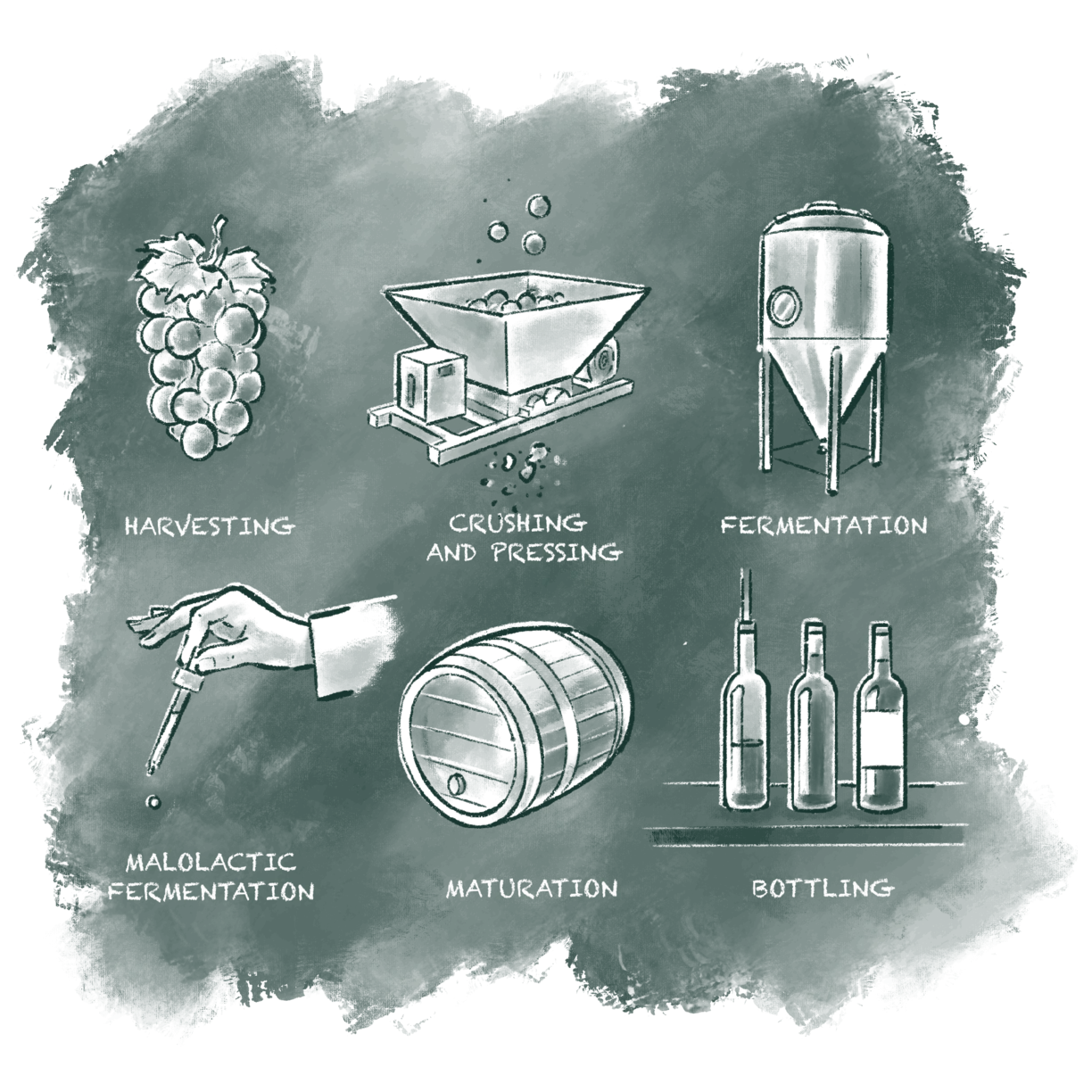
The winemaking journey from grape to glass

Wine may seem like fermented grape juice, but every bottle carries a long story. Each stage—from picking the grapes to how they are fermented, matured, and bottled—leaves its mark on the final taste. Understanding these steps is key to understanding why climate change threatens wine so profoundly.
 

Harvesting the Grapes
Harvest timing is critical. As grapes ripen, sugar increases, acidity drops, tannins develop, and aroma compounds evolve. Winemakers aim for a balance—too early, and wine is sour and thin; too late, and it’s heavy and alcoholic. Decisions are based on tasting in the vineyard as well as lab measurements.

Harvesting_The_Grapes

Each cut marks a moment of precision — harvest is the art of catching ripeness at its perfect edge.

Crushing and Pressing
Grapes are crushed to release juice. For whites, juice is separated quickly from skins to keep flavors fresh. For reds, skins, seeds, and sometimes stems remain during maceration, extracting tannins, color, and aroma. Early choices here help shape the wine’s style—crisp and light or bold and structured.

Fermentation
Yeasts convert grape sugars into alcohol and CO2, turning juice into wine. Some winemakers use native yeasts for unique vineyard character; others add cultured strains for consistency. Fermentation conditions and vessels influence taste and texture, combining the craft of the winemaker with the vineyard’s character.

Malolactic Fermentation
Most reds undergo malolactic conversion, where Oenococcus oeni bacteria turn sharp malic acid into smoother lactic acid known from yogurt. This softens the wine, balances acidity, and preserves structure, while tartaric acid maintains freshness.

Maturation
Wines are aged to develop complexity. Stainless steel preserves bright fruit flavors; oak barrels add texture, aromas, and depth. Barrel type, age, and aging time influence style and sensory profile. Some wines are bottled early for freshness, others mature for years.

Bottling
The wine is clarified, stabilized, and bottled. Early-drinking wines highlight fresh fruit, while premium wines continue to evolve in the cellar, developing additional flavors and complexity over time.

The_Power_Of_Terrior_In_Winemaking

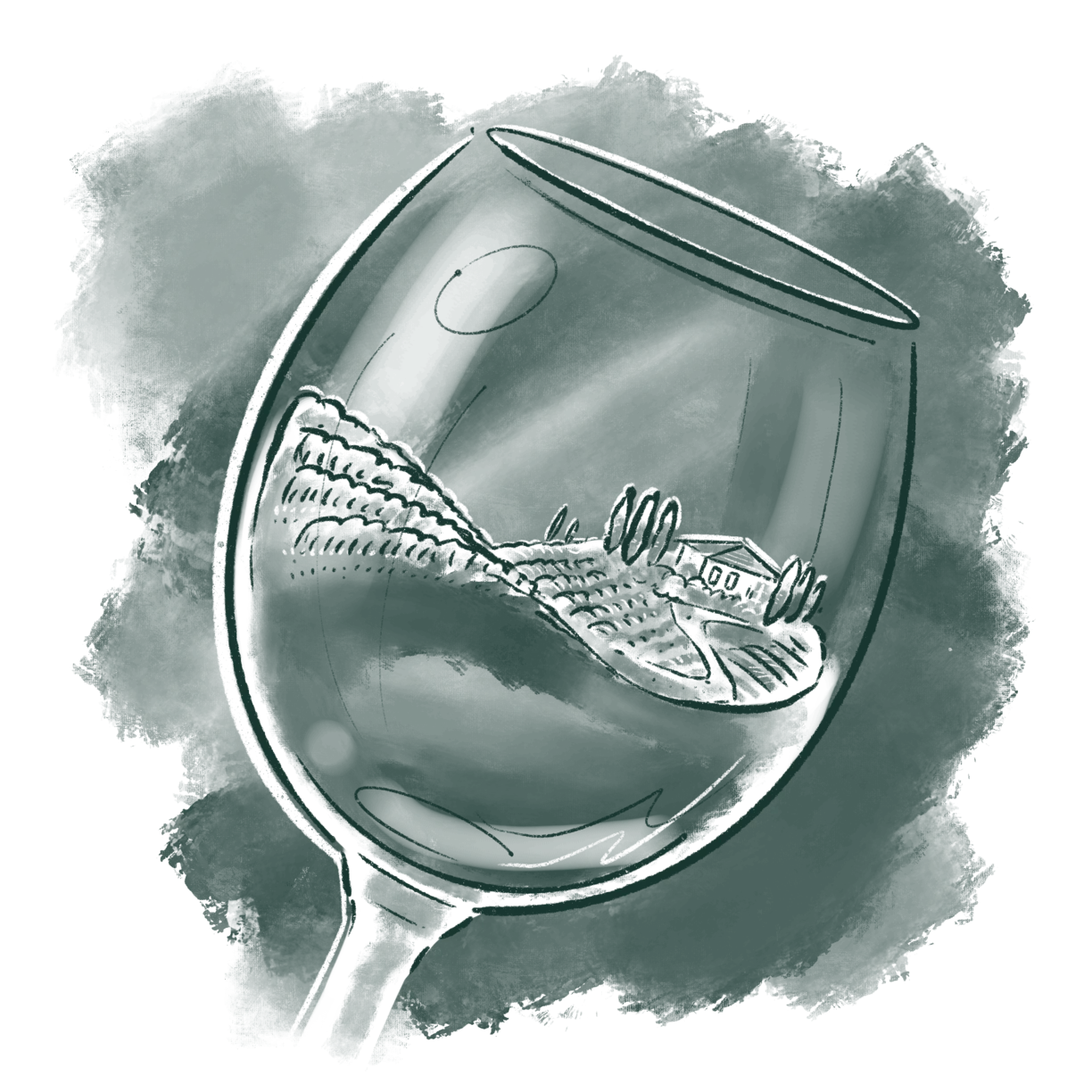
Terroir — the unique blend of soil, climate, and tradition — gives each wine its distinct identity. As climates shift, biosolutions help protect this delicate balance.

Climate change and its impact on grapes and winemaking

For vineyards, the pace of change matters as much as the change itself. Grapes once ripened slowly through a rhythm of warm days and cool nights. Now, they are being pushed into a race against heat. When ripening accelerates, the whole system is thrown off balance. Sugar, acidity, tannins, and aromas—the building blocks of typicity—shift together, creating a cascade of challenges for winemakers.

Faster Ripening and Earlier Harvests: As temperatures rise, grapes ripen faster. In France and Switzerland, each 1°C increase brings harvests about six days earlier4. In Germany’s Rheingau5, harvests now arrive 2–3 weeks earlier than in the early 20th century; in Burgundy6, nearly two weeks earlier than a century ago. Faster ripening reshapes grape composition, not just harvest dates.

More Sugar, More Alcohol: Accelerated ripening increases sugar, leading to stronger wines. In southern France7, potential alcohol rose ~2% between 1980 and 2001. Similar trends appear in Alsace, Australia, and Napa Valley, with climate change responsible for up to half8 the increase. Higher alcohol can disrupt malolactic fermentation, leaving wines harsher and less stable.

Higher Sugar, Lower Acidity: Rising sugar is accompanied by falling acidity. Malic acid breaks down faster in heat, reducing wine’s backbone. Low acidity affects freshness, aging potential, and stability, making wines more vulnerable to spoilage yeasts such as Brettanomyces9.

Aroma Shifts and Extreme Weather: Heat also alters aroma compounds. Research shows that the levels of terpenes — the natural compounds behind grapes’ floral and fruity aromas — tend to decline as temperatures rise10. Climate volatility, including droughts, water stress, and sudden frosts, further threatens production. In April 2021, frost in central Europe cut output 25%11 below the five-year average; in Burgundy, 80–100%12 of the crop was lost. A study13 warns nearly 90% of traditional lowland wine regions in Spain, Italy, Greece, and southern California could disappear by century’s end due to drought and heatwaves.

As the climate is changing faster than vineyards can adapt, winemakers are caught between preserving identity and surviving harvest to harvest.

We are witnessing not one problem but a cascade, where each link in the chain pulls wines further from the profiles that made them world-renowned.
 

Biosolutions can safeguard wine in the face of instability

If climate change is reshaping the conditions of winemaking, biosolutions are helping winemakers steady the course. These tools—enzymes, selected yeasts, and bacterial cultures—give producers ways to maintain quality even when nature delivers less-than-ideal grapes.

For example, a robust yeast strain from Novonesis allows for direct inoculation. Instead of struggling with fermentations that might stall under heat-stressed, high-sugar conditions, this yeast helps winemakers run the process smoothly, bringing out clean, fruit-forward flavors while keeping the wine aligned with its regional style. When climate change threatens to push wine off balance, such tools can help nudge it back on track.

Beyond flavor, biosolutions improve efficiency in the cellar. They reduce waste by extracting more from each grape, lower the risk of spoilage from unwanted microbes, and make fermentation more predictable. That consistency matters in a warming world where harvests are increasingly uncertain. Instead of relying on heavy-handed corrections, winemakers can guide the process from the start, aligning with both quality and sustainability goals.


The story of wine is one of perseverance and adaptation. From the first farmers who tamed wild vines to the artisans who shaped regional identities, winemaking has always evolved. Today, climate change is testing that resilience like never before, threatening the delicate balance of sugar, acid, tannins, and aromas that define the world’s most celebrated wines. Yet, with biosolutions, winemakers are not just reacting to these changes—they are innovating, preserving the essence of terroir while ensuring that wine remains a timeless expression of nature and craft for future wine lovers. 

article credits
If you’re curious as to how, read the second part of this article

Winemaking: Where age-old traditions blend with modern biosolutions

What is a biosolution?

Microbes and enzymes are tiny but mighty agents of change. For billions of years, they’ve enabled transformation in all living things through microbiology.

video thumbnail with play button on top

All you need to know about biosolutions, delivered monthly

Biosolutions are fascinating but can be difficult to grasp. That's why we created the monthly Biosolutions Bulletin — to break down the science into easy-to-understand, engaging stories with beautiful hand-drawn illustrations.

Each issue dives deep into the science behind biosolutions and their roles in transforming everything from agriculture to industries and the products we use every day.

Sign up today to stay updated!

One more step…

To complete the get in touch form or sign up, please click on the button below to enable cookies.