Energy security starts at home

Why depend on imported oil and gas when you can grow your own future with biosolutions?

Biosolutions can power nations from within

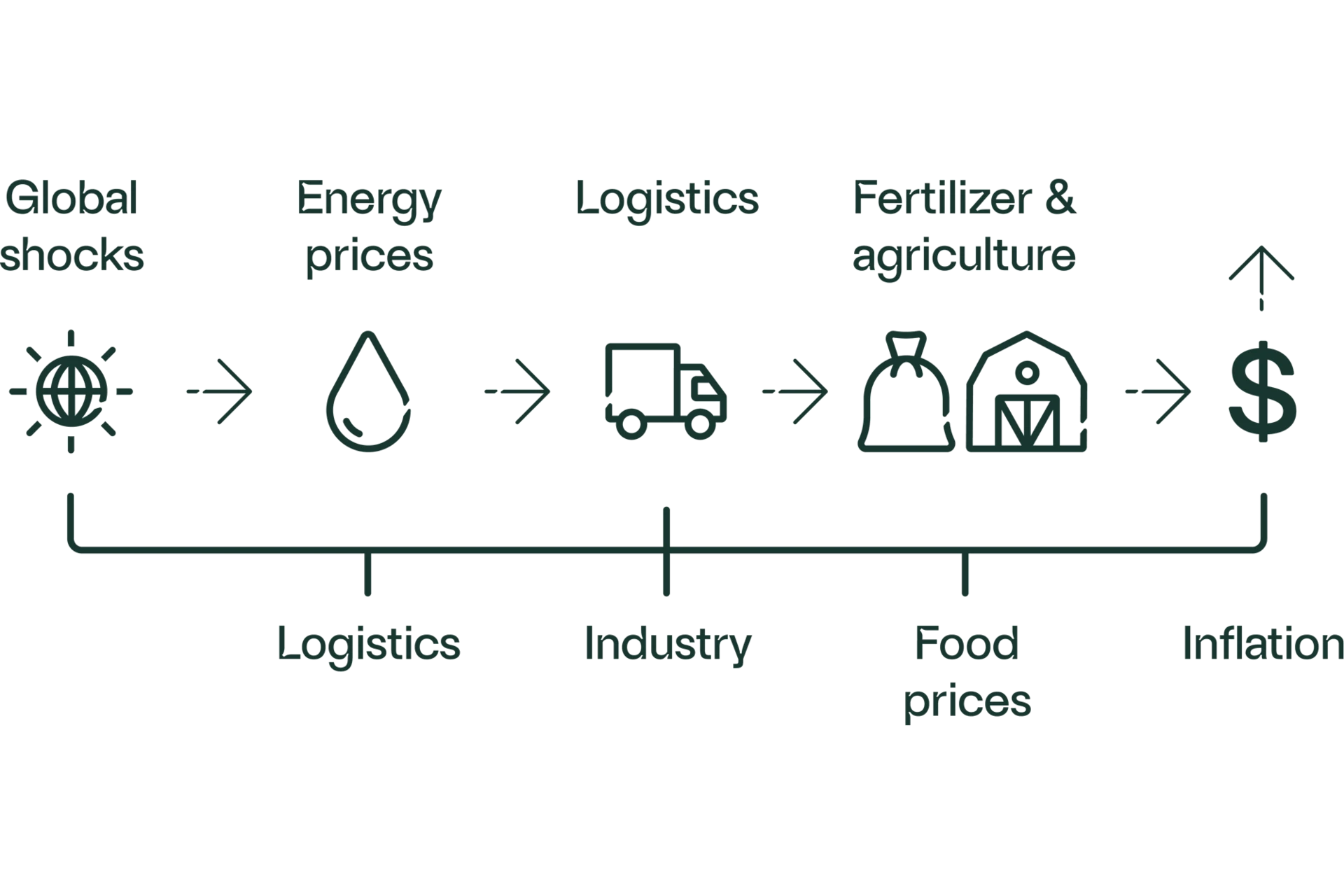
The world still gets more than 85% of its energy from fossil fuels, most of it imported across borders and through chokepoints. Around a third of global fertilizer trade passes through the Strait of Hormuz alone, creating the same vulnerability across energy, food and industry.

But there is another way. Home-grown solutions like bioethanol, biodiesel and biogas can replace fossil-based alternatives, paving the way for energy resilience, competitive economies and greater food and energy security.

All of this is possible thanks to biosolutions.

The world's energy dependence creates system-wide vulnerability

Türkiye's energy dependency

Biofuels are already delivering impact worldwide

Countries that have committed to home-grown biofuels are already seeing the results. Here are a few examples, and this is only the beginning of what home-grown solutions can accomplish.

2.5 million

barrels per day1. Global oil demand reduced by biofuels in 2024, lowering transport fuel import dependence by 5 to 15 percentage points in countries where they are used.

55-40 %

import dependence cut. Brazil alone has reduced its transport fuel import dependence by 24 percentage points through biofuels2. Countries that have embraced biofuels are systematically less exposed to global price shocks.

~4 million

jobs3. Bioenergy already supports 3.9 million jobs worldwide. With accelerated investment, that number will continue to grow.

image

The world needs reliable, cost-effective and resilient energy and to reduce dependence on fossil fuels. Brazil, India, North America and Malaysia have already moved ahead with bioenergy, and their choices are paying off through less import exposure, more local jobs, access to competitive energy, while also bettering the planet. And we see other countries gearing up. We are living in a pivotal moment. Alternatives to fossil exist, and this is just the beginning.


Tina Sejersgård Fanø
EVP, Planetary Health Biosolutions, Novonesis

Turning domestic resources into energy, resilience and economic strength

In a world of increasing volatility, resilience begins at home. For countries across the globe, reducing dependency on imported oil and gas is not only an environmental goal. It is an economic and national security imperative.

Biosolutions offer a practical pathway forward. By transforming crops, agricultural residues and locally available biomass into energy, fuels and materials, countries can strengthen their energy security, boost farmer incomes and build more competitive, self-reliant economies.

From domestic farms to domestic fuel tanks

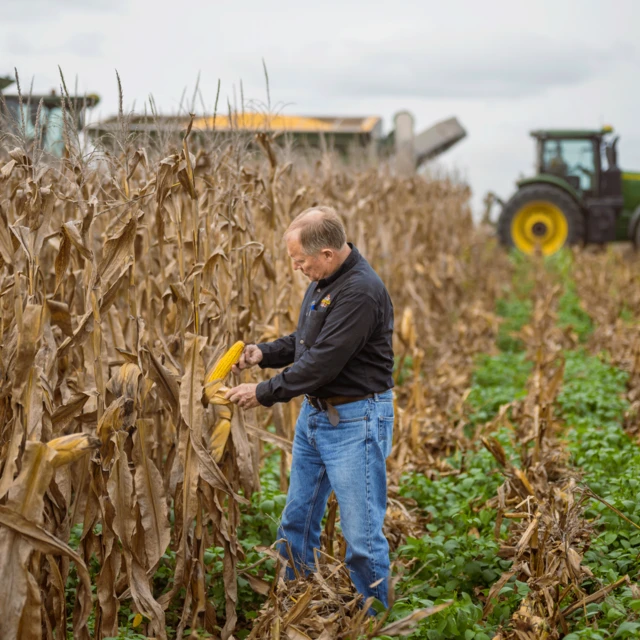
The world imports over 55% of its transport fuel needs4. Yet across the Americas, Asia and Africa, vast areas of cropland already grow the answer. In 2026, governments from Brazil to Indonesia made the connection: strengthen national bioethanol and biodiesel targets and turn domestic crops into domestic fuel.

Biosolutions make this more efficient, producing more ethanol and biodiesel from the same crops, cutting import costs and boosting farmer incomes across the world in the same move.

GettyImages-1344716749

Turning agricultural waste into home-grown energy

The world is becoming increasingly dependent on imported gas for power generation and industry. Much of that gas travels through the same chokepoints as oil, creating the same vulnerabilities.

Yet the answer is already being generated. Agricultural and organic waste produced around the world every year has the potential to produce the equivalent of nearly 1 trillion cubic metres of natural gas annually. Today, less than 5% of that potential is being used.5

Biosolutions make this more efficient, increasing biogas yields from organic waste and improving the purity of the methane produced. More energy from the same waste streams. Less dependence on imported gas. A cleaner, more resilient energy supply built from resources every country already has.

20200922-meb-novofarms-556

Feeding the world's livestock without feeding import dependency

Most countries that import oil also import animal feed. Soybean meal, corn and processed feed ingredients cross oceans in the same vessels as crude oil, creating compounded vulnerability across the food and energy system. Millions of tonnes are traded every year, priced in dollars and vulnerable to supply shocks.6

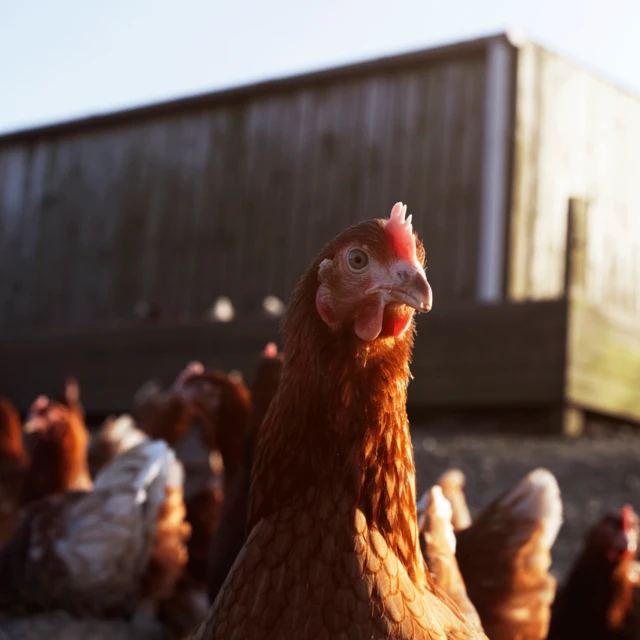
Biosolutions offer a way to get more from what each country already grows. Probiotics and feed enzymes improve feed conversion efficiency in poultry, cattle and swine, meaning farmers get better yields from the same inputs. Silage inoculants preserve the quality of locally grown biomass, reducing the need for imported processed feed.

Less dependence on global feed markets. Healthier livestock. Stronger margins for farmers.

GettyImages-165946414

Powering industry from within

Everyday goods like packaging, textiles and cleaning products rely on petrochemical inputs derived from imported oil. For manufacturers worldwide, that means production costs that rise and fall with global oil prices, and supply chains exposed to geopolitical disruption.

Biosolutions offer a better way. Using biological processes and renewable local feedstocks, they cut reliance on fossil-based materials without compromising performance. In a region with fast-growing export industries, the opportunities extend beyond resilience and sustainability. Businesses that make the shift can gain a competitive edge in global markets:

  • Less exposure to oil price swings
  • Stable production costs
  • Stronger exports
  • Resilient, future-ready industries

A smarter, stronger industry starts here.

GettyImages-1185736075

Growing more from the world's own soil

One third of global fertilizer trade passes through the Strait of Hormuz.7 When supply chains are disrupted, farmers worldwide pay the price through higher input costs and lower yields.

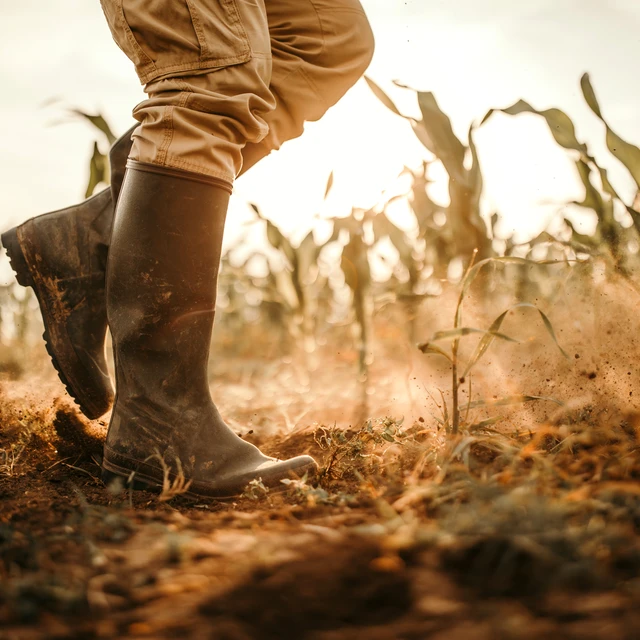
Biofertilizers and biostimulants, biological products that help crops absorb nutrients more efficiently, offer a home-grown alternative. Rather than replacing fertilizer entirely, they help farmers achieve higher yields with the same amount, or less. In rice cultivation alone, biosolutions can cut phosphorus usage by 25% and urea consumption by 30%. Less spent on imports. More produced from local land.8

Stronger harvests. Lower input costs. A food supply built on resources the world already has.

boots in field

Biosolutions unlock more from raw materials

With biosolutions there are more opportunities to turn volatile raw materials into consistent, high-quality output — extending freshness and reducing waste through bioprotection. The result: more food from the same inputs, with less lost along the way.

Aerial-View-On-Spring-Fields

Explore other cases

  • Indian cooking using gas

    Let’s power India from within

    Why depend on imported oil and gas when India can grow its own future with biosolutions?

  • GettyImages-2206228602

    Fuel and feed Southeast Asia from within

    Why rely on imported oil and gas when we can grow a prosperous future with biosolutions?

  • GettyImages-1491451662-cropped

    Let’s power Türkiye from within

    Why rely on imported oil and gas when Türkiye can grow a prosperous future with biosolutions?

  • GettyImages-1997061729-driving

    Let’s power South Africa from within

    Why rely on imported oil and products when South Africa can grow an energy resilient sustainable future with biosolutions?

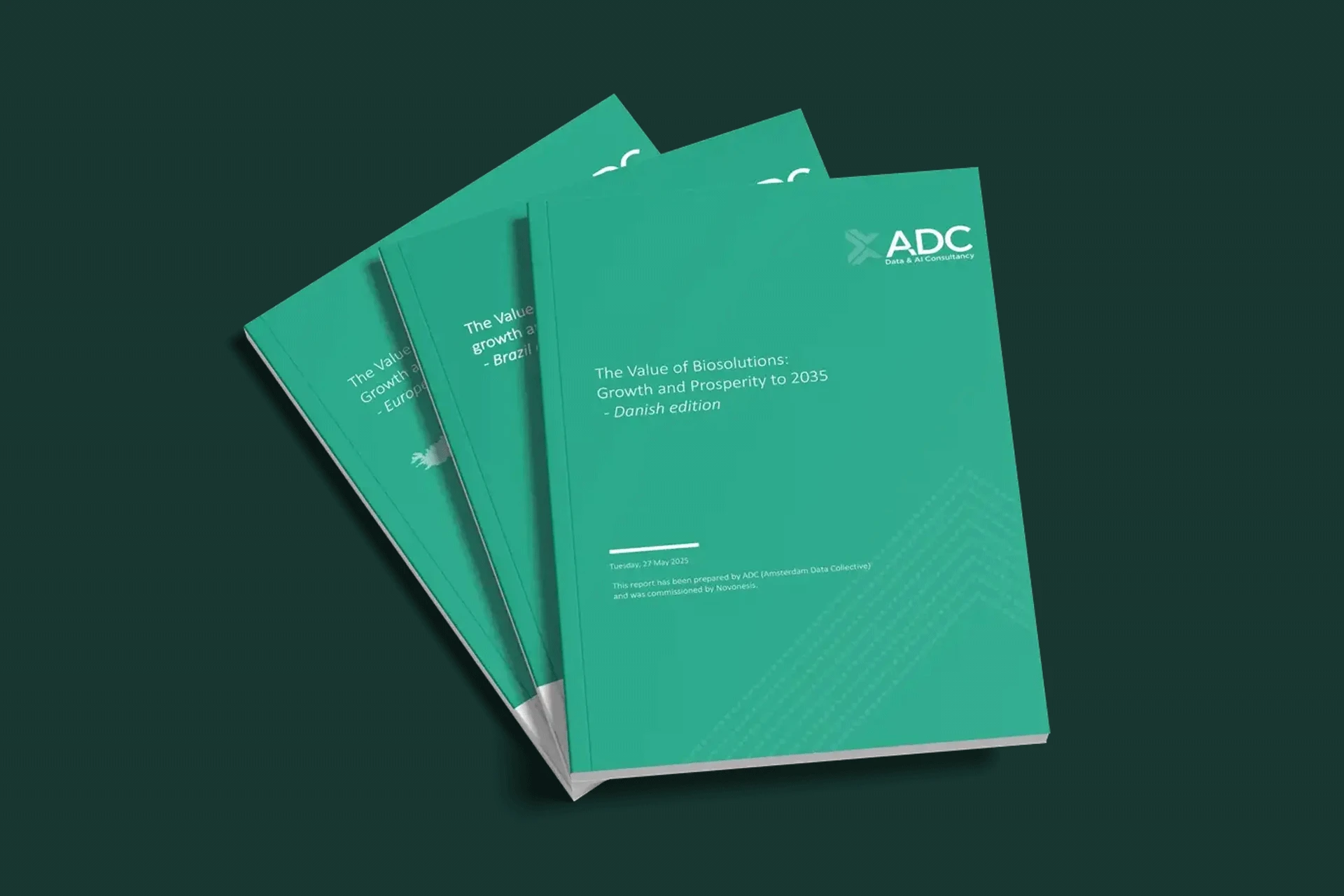
Sign up for the Value of Biosolutions report

The biosolutions sector is on the rise. This comprehensive report documents the momentum, showing how biosolutions drive job growth, competitiveness and economic resilience for countries across the globe.

tVoB-Cover-Stacked-DA-BR-BR-1920
Ready for a deep-dive into the world of biosolutions?

Explore how biosolutions reduce reliance on fossils

Explore this issue of the Biosolution Bulletin that explains how the dark, thick liquid extracted from wells dug deep into the Earth until now has powered our cars, fueled our aeroplanes, and kept our ships moving across the oceans – and how biology is now changing the game.​

biorefinery_hero_substance

The future, delivered monthly

Want more? From deep-dives into new tech to visions of a bio-based future, The Biosolutions Bulletin delivers the latest innovations directly to your inbox every month.

Sign up to stay ahead

To view this form, update your cookie preferences

This form is hidden because Marketing Cookies are turned off. You can enable them in your cookie settings to continue.

Get the latest insights on how to better our world with biology​

Welcome to the world of biosolutions and Novonesis - the latest news, the biggest insights and a glimpse into the life of the worlds leading biosolutions partner.

1 2.5 million barrels per day: IEA, Delivering Sustainable Fuels, 2025, iea.org

2 Brazil 24 percentage point reduction: IEA, Renewables 2025, iea.org

3 3.9 million jobs: World Bioenergy Association, Global Bioenergy Statistics Report, 2024, worldbioenergy.org

4 55% transport fuel import dependence: IEA, Renewables 2025, Renewable Transport chapter, iea.org

5 Global biogas potential equivalent to nearly 1 trillion cubic metres of natural gas annually, less than 5% currently used: IEA, Outlook for Biogas and Biomethane, 2025, iea.org

6 Feed import vulnerability: FAO, World Food and Agriculture, 2024, fao.org

7 One third of global fertilizer trade through Strait of Hormuz: UN News, April 2026 / UNCTAD, March 2026 / Carnegie Endowment, April 2026

8 Studies show a significant yield improvement when fertilizers are paired with biological molecules, and e.g. a 25% reduction in phosphorus use with mycorrhizal biofertilizers. Impact of Arbuscular Mycorrhizal Fungi, Phosphate Solubilizing Bacteria and Selected Chemical Phosphorus Fertilizers on Growth and Productivity of Rice