Squeeze more oil from your olives with biosolutions
Use our enzymes to achieve higher yields from your olives and a more sustainable production.
Get the most from your olives
Our enzymes increase your yields so you can squeeze more oil from every ton of olives. They also help cut your losses by reducing residual oil in the pomace. Enzymes give you a better production process. They modify the paste condition and allow your equipment to operate more smoothly. Oil/water separation and oil clarification are also faster and more efficient with enzymes.
Why start your harvest earlier with enzymes?
- Oils from fruits of lower maturity index (MI) typically have longer oxidative stability and shelf life.
- Lower chances of suffering frost events and fungal diseases. It also decreases the typical alternate bearing phenomenon. This will allow for more consistent crops over the years.
- Higher crop yield per hectare. Processing olives of low MI is easier with enzymes.
Benefits of using enzymes
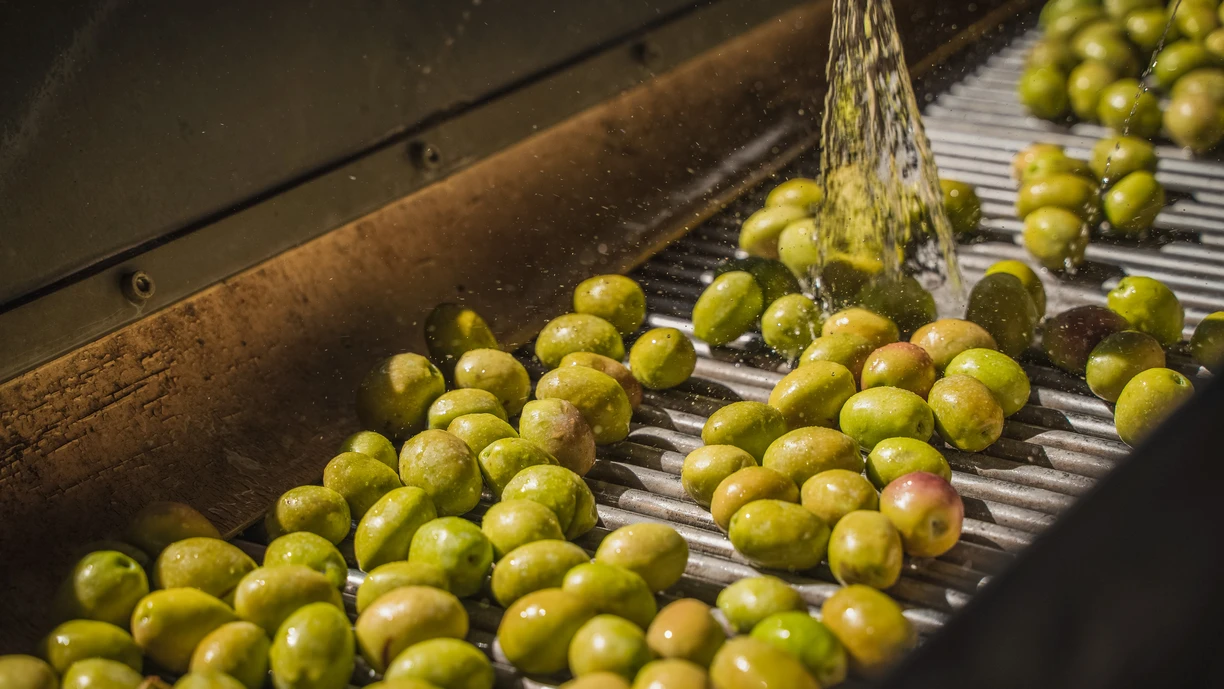
Increase your yields
Depending on the fruit condition, enzymes can increase yields by 1-2%. The pomace will be more environmentally friendly, with less residual oil.
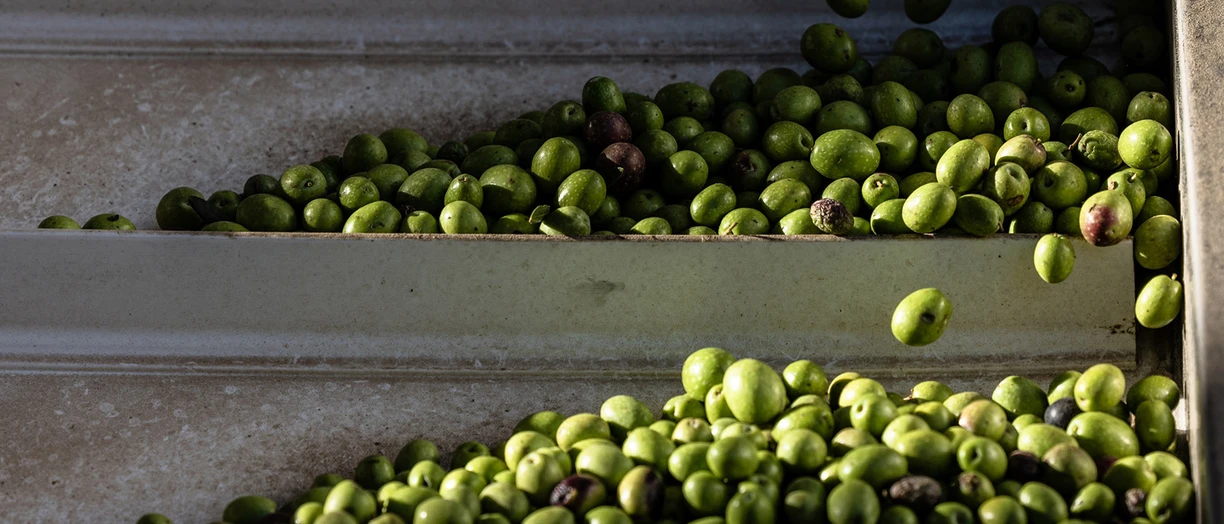
Smoothen your industrial process
Lowered paste viscosity also decreases processing equipment energy consumption. By releasing oil from the paste quicker, enzymes allow for a faster, more effective process.
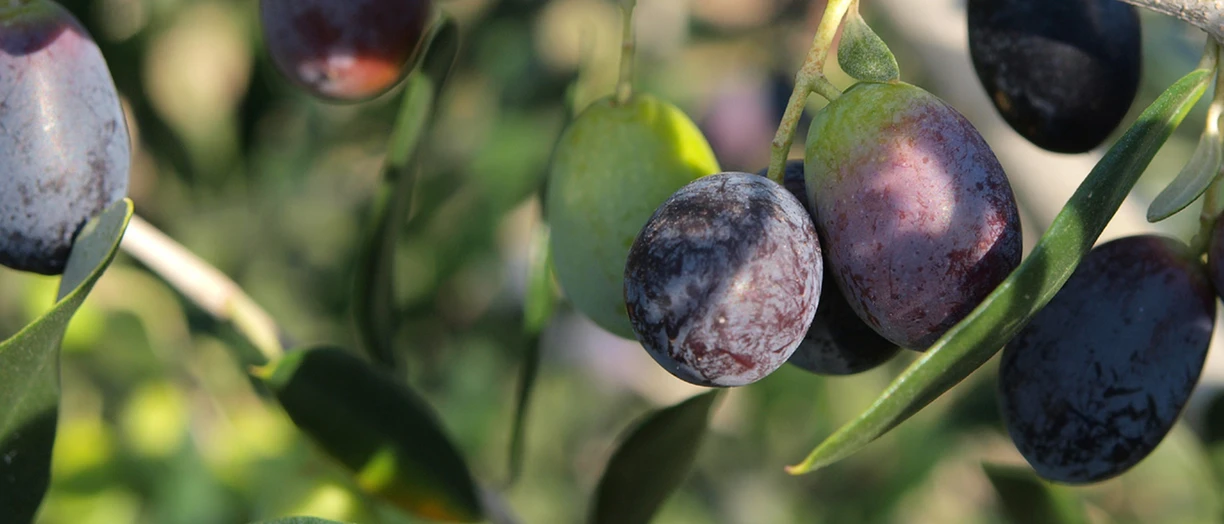
Harvest earlier
Enzymes allow you to harvest earlier and to get better quality oils without significantly compromising oils yields.
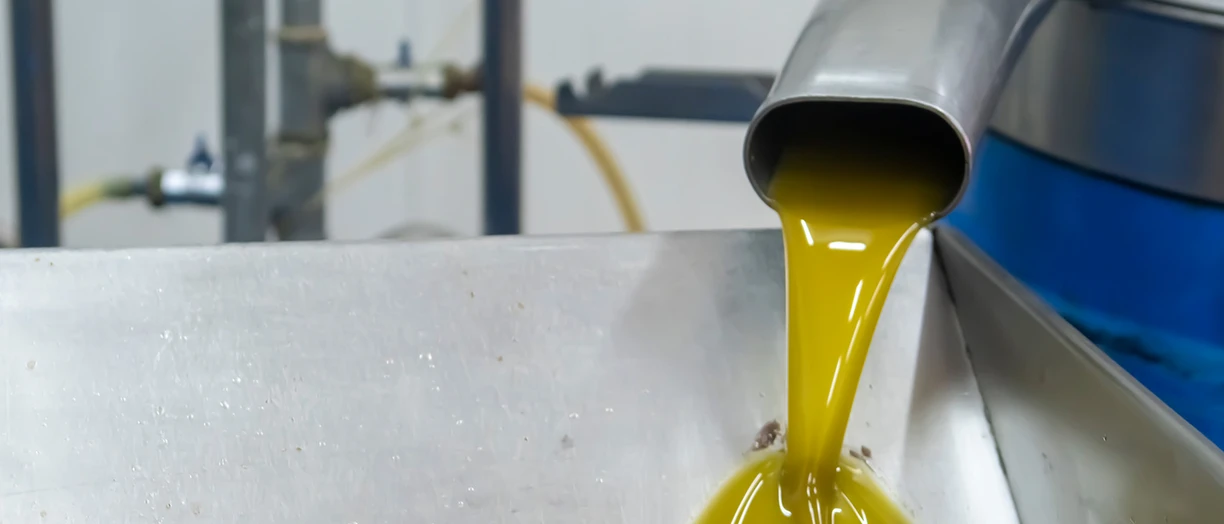
No negative impact on oil quality
Neither basic quality, genuineness nor sensorial parameters of the oil are significantly impacted by the use of enzymes for extraction.
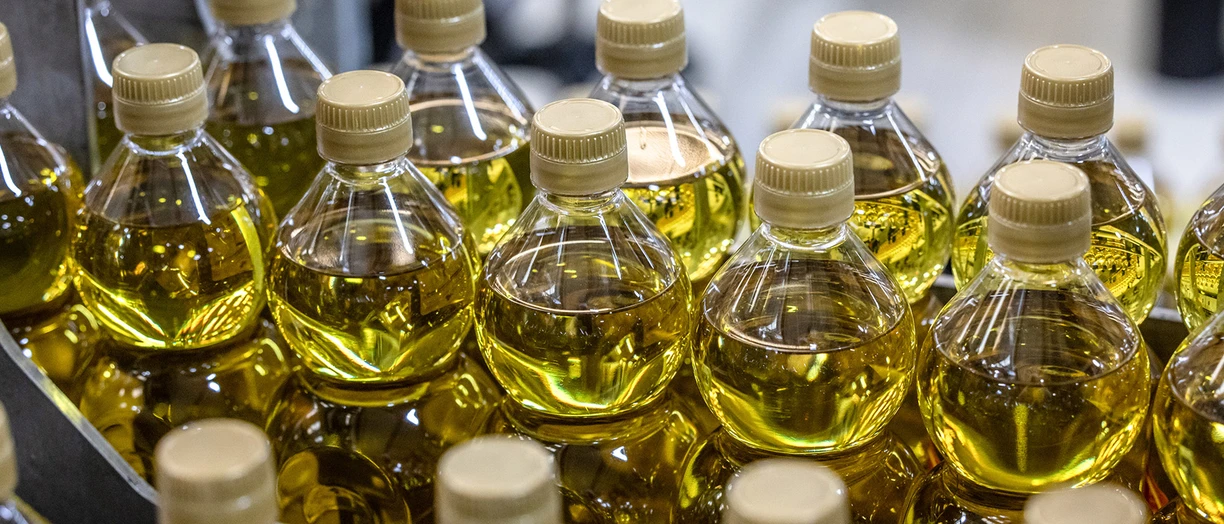
A European industry push for modernized olive oil regulations
European olive oil producers are increasingly calling for updated EU rules to allow the use of enzymes during the production of virgin and extra virgin olive oils.
New scientific evidence is strengthening the case for permitting enzymes as processing aids in virgin and extra virgin olive oil production, in the EU. Two recent scientific studies have examined the impact of enzymatic treatment on olive oil extraction and quality.
KEY OUTCOMES OF IFAPA STUDY (2026)
- Improvement of the extraction yield
- No significant changes in the basic quality of the oils
- No significant impact on the authenticity parameters of the oils
- A significant increase in the biophenols fraction of the oils (particularly Oleocanthal and Oleacim)
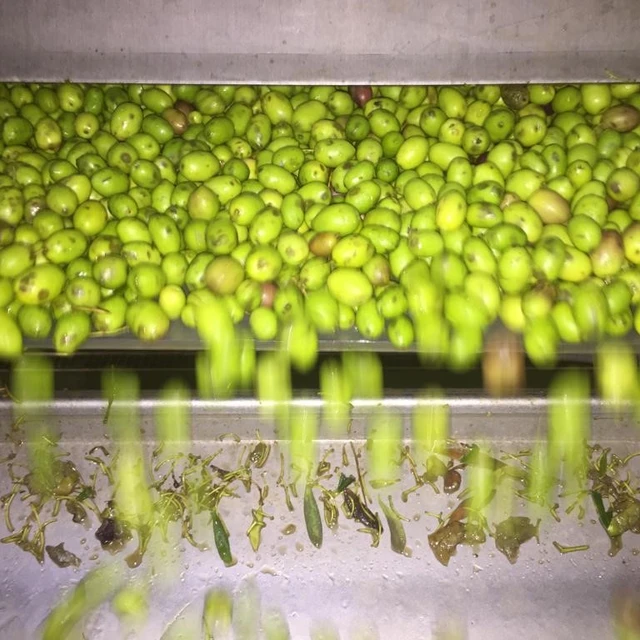
Benefits of using enzymes for extraction of olive oil
With today’s high value of olive oil, producers are seeking ways to increase yields without compromising oil quality and more sustainable production.
In this webinar, our guest speaker, Pablo Canamasas, will demonstrate how enzymes play a key role as a processing aid in virgin olive oil production outside Europe - enabling improved oil quality using early-harvest fruits, while supporting a more sustainable production with higher yields and better operational efficiency. In addition, new European data will be presented showing that enzymes do not negatively affect the quality of virgin olive oil.
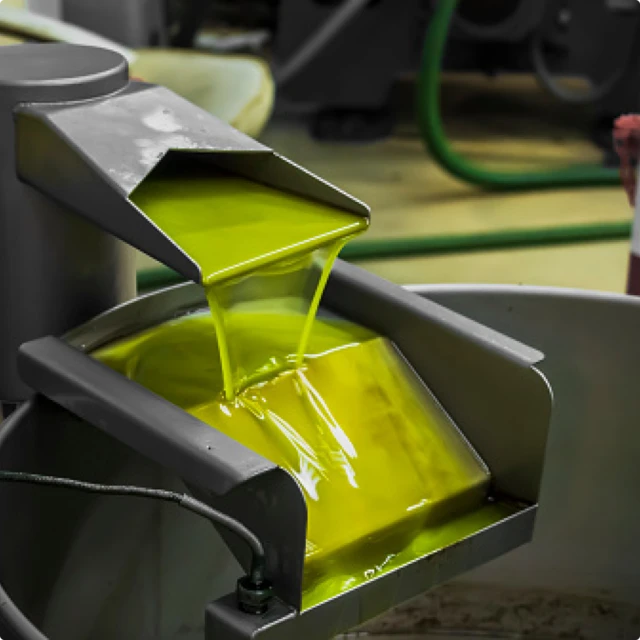
Calculate your production’s potential
Enzymes are recognized as being very effective in improving oil recovery. What does it mean for you in terms of extra yield and money?
Try our online calculator and get an estimate for your production. We have prefilled it with standard numbers, but feel free to test your specific numbers.
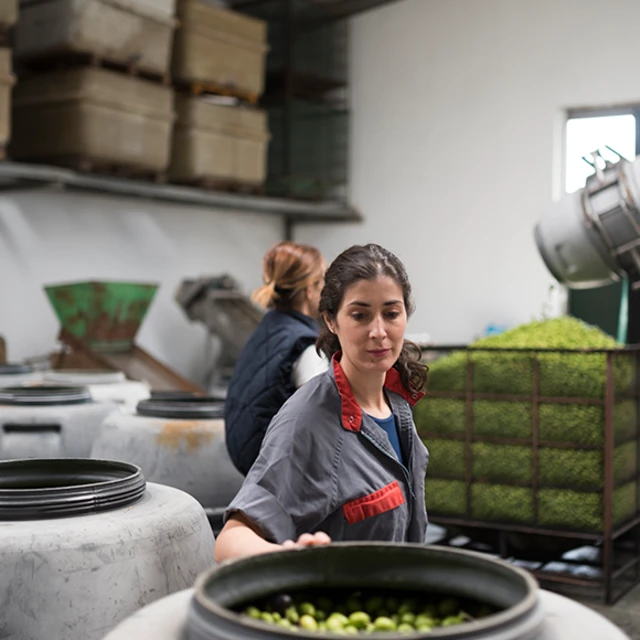
Which product is right for you?
- Viscosity reduction of the olive paste
- Higher oil yield from olive fruits
- Faster and more effective oil/water separation
- Higher yield from olive fruits
- Viscosity reduction of the olive paste
- Faster and more effective oil/water separation
- Viscosity reduction of the olive paste
- Higher yield from olive fruits
- Faster and more effective oil/water separation
Get in touch
Have questions? We’d like to hear more about what you need.
To view this form, update your cookie preferences
Ce formulaire ne s’affiche pas, car les cookies marketing sont désactivés. Pour continuer, activez-les dans les paramètres des cookies.