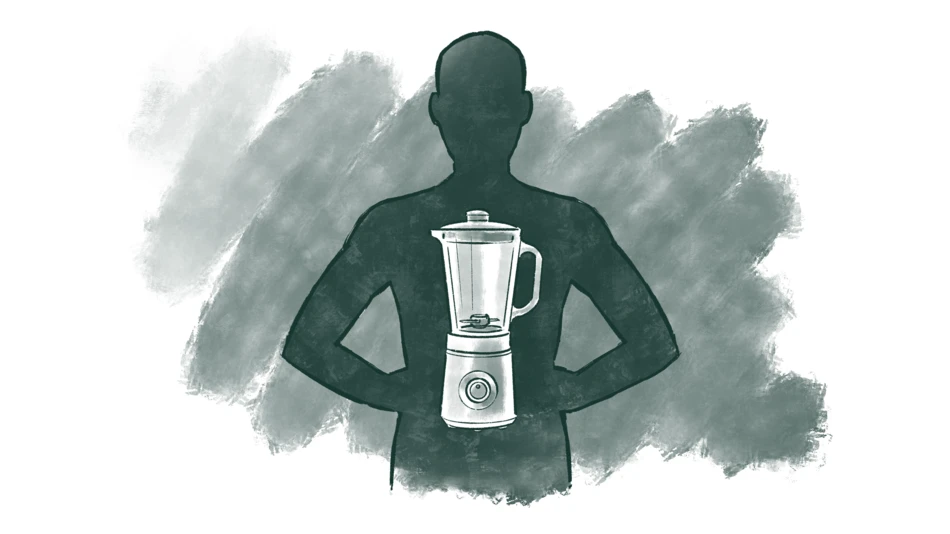
As researchers discovered that enzymes play such an important role in the world, they dug further to unearth the secrets of enzymes and their power to transform one thing into another; a totally new product. And they realized that human beings can unlock the power of enzymes to make life easier and the world a better place.
There are rarely any problems that enzymes cannot help humans deal with – ranging from something as mundane as keeping clothes clean to dealing with climate change. Yup, you read it right, even climate change!
Let’s have a closer look at that!
Unlocking the transformative power of enzymes for humanity
Although enzymes are everywhere around us and inside us, it was only in the 19th century that scientists determined their existence, identified their functioning, understood their sources, and came up with the term ‘enzyme’.
It originates from the Greek words "en" (meaning "in") and "zyme" (meaning "leaven" or "yeast"). The term was coined in the 19th century to describe substances found in living organisms that facilitate and accelerate chemical reactions without being consumed in the process.
Researchers found out that enzymes are the reason behind many day-to-day things that humans have been doing for thousands of years – baking bread, brewing beer, making yogurt or preserving food through fermentation.
Once this was discovered, there was no looking back. Enzymes are now a reason why life is easier for us, why we get to eat some delicious foods, and how we have solutions to deal with some of the serious global challenges. Let’s now take a look at some examples:
Keeping clothes clean and fresh, keeping dishes spick and span:
Keeping clothes clean and dishes sparkling has been a perpetual challenge, but the transformative power of enzymes has revolutionized the effectiveness of detergents and dishwashers. By identifying the most effective enzymes, detergent manufacturers began incorporating them into their products, targeting even the toughest stains, including oil and grease, on clothes and dishes.
This shift is particularly crucial considering the substantial environmental impact of detergent residues entering waterways and ecosystems. Today, a substantial portion of detergents available in the market harness the power of enzymes. Incidentally, you can save a lot on your energy bill by washing at 30 C/86 F rather than 40 C/104 F, thanks to enzymes.
Getting to eat yummy bread
Bread is a good source of carbohydrates, providing energy for the body, and it stands as an elemental source of sustenance worldwide. It also adds a huge yum quotient to our lives. We can thank the intricate interplay of enzymes during dough fermentation and baking for that. Enzymes transform simple ingredients into a symphony of sensory delights that contribute to the unique taste, aroma, and mouthfeel that characterize freshly baked bread, making it a universally cherished culinary experience.
Enzyme-based cleaners contain enzymes that target organic compounds.
Pet stain and odor removal
We all love our furry friends. But with having pets at home comes the challenge of ensuring the house is clean, hygienic and odour-free. Many cleaners that you use to remove pet stains and odors from the carpets, upholstery, and other surfaces in your house contain enzymes.
Pets often leave behind urine, vomit, and faeces, which contain biological materials that produce unpleasant smells. Enzyme-based cleaners contain enzymes that target these organic compounds, breaking them down into smaller, odourless molecules. This helps eliminate stains and odors at their source, leaving your home smelling fresh and clean.
Global challenges solved by enzymes:
Helping agriculture overcome the challenges of climate change
Climate change poses significant challenges to agriculture worldwide, affecting crop yields and threatening food security. As temperatures rise and rainfall patterns become erratic, farmers face mounting pressures to adapt. As per estimates, the impacts of climate change on agriculture could threaten the world’s food security and push 180 million more people into hunger. However, through meticulous research, the potential of enzymes in agricultural practices has emerged as part of the promising solution.
Enzyme-based biosolutions offer a means to enhance crop resilience and productivity in the face of climate change. These innovative solutions leverage the transformation superpower of enzymes to improve plant growth, nutrient uptake, and stress tolerance. By enhancing soil health, water efficiency, and nutrient utilization, enzyme-based biosolutions empower farmers to mitigate the adverse impacts of climate change on crop yields.
Ensuring enough protein for the world's growing population
The world's population is projected to reach 10 billion by 2060 and the demand for proteins will soar. Fortunately, enzyme-based biosolutions offer a sustainable alternative to meet the world's growing protein needs by creating new possibilities for nutritious protein sources. Such proteins emit 90% less greenhouse gases than the livestock industry while providing high-quality nourishment to us, be that replicating a dairy protein without involving animals or creating protein-fortified food and beverage products with specific nutritional or health-enabling benefits.
Restoring polluted ecosystems
In many places across the world, natural resources like water bodies and soils are heavily polluted. With meticulous studies, researchers have discovered enzymes that can break down and transform pollutants into harmless products. This is called ‘bioremediation’ and offers a sustainable and environmentally friendly approach to restoring contaminated sites and ecosystems.
In conclusion: We need to embrace the enzyme revolution
Enzymes have helped humans weave a fascinating tale of innovation and sustainable transformation but have remained the overlooked pillars of our existence. Now scientists, researchers, and corporations are unravelling newer and more innovative uses of enzymes to make the planet a better place for all living organisms. As we delve deeper into the mysteries of enzymes and unleash their potential across various sectors, we stand at the brink of a revolution led by enzymes and the biological alternatives to chemicals – biosolutions – that they enable.
Fermentation in an industrial setting where microbes multiply rapidly and produce enzymes.