Biosolutions decoded
Probiotics and enzymes don’t work by chance—they work because of biology and we unleash them with science. Understanding how they act inside the animal, in the gut and on the feed, is what allows us to design smarter, more precise biosolutions. The result? Greater consistency, better performance and real on-farm value.
What are probiotics?
Live microorganisms which, when administered in adequate amounts, confer a health benefit on the host (FAO/WHO, 2001).
How probiotics work in animals
Probiotics do more than travel through the digestive tract: they engage, adapt and act. From the moment they're activated, these living biosolutions begin interacting with feed, other microbes and the animal itself to deliver measurable value.
Interaction with feed
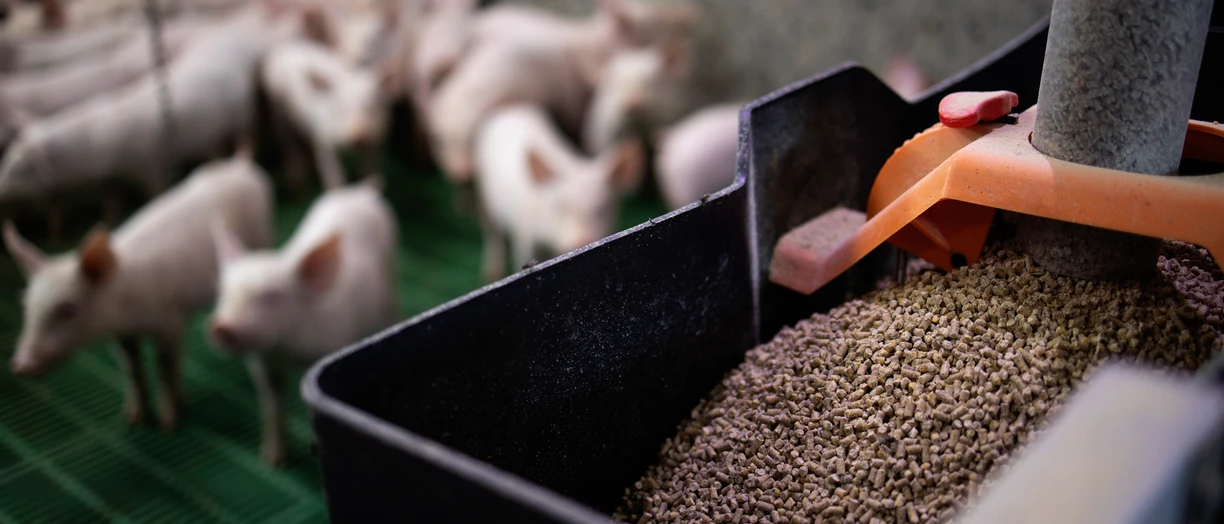
Once ingested, probiotics activate in the digestive system and begin working with feed. Some strains produce enzymes like proteases, cellulases, or amylases that help break down fiber, starch and protein—making nutrients more accessible and digestible.
Key mechanisms:
- Enzyme production to unlock more energy and nutrients
- Bioconversion of complex molecules into usable forms
- pH reduction that improves gut environment
Interaction with microbes
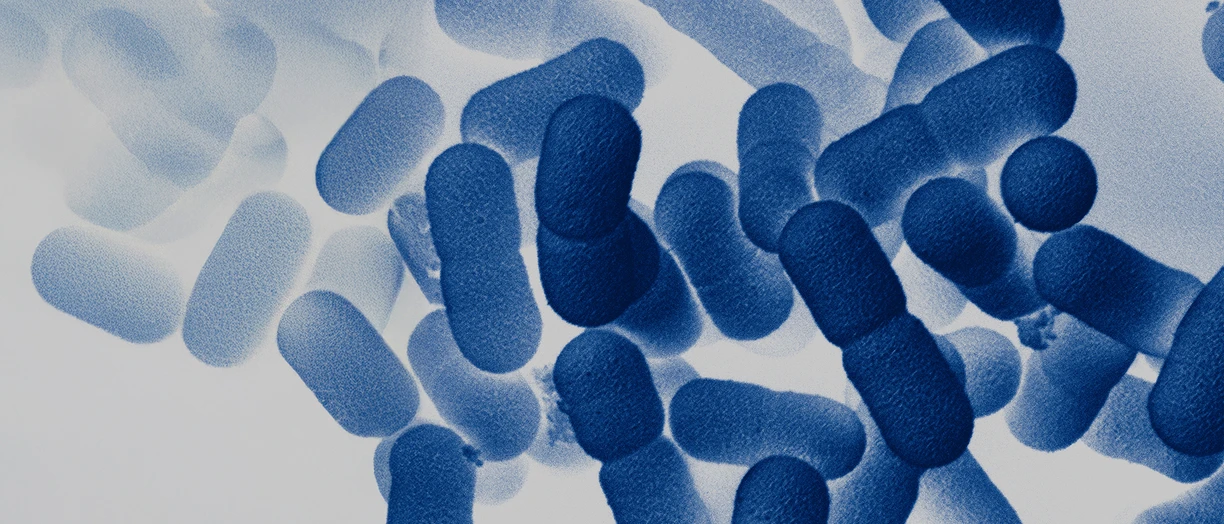
In the competitive microbial environment of the gut, probiotics influence which microbes thrive. By producing organic acids and biofilms, and through quorum sensing, they help limit space and nutrients available to less desirable species.
Key mechanisms:
- Competitive exclusion of undesired bacteria
- Direct impact on harmful microbes through various compounds
- Promoting microbial diversity and stability (microbiome robustness)
Interaction with the host
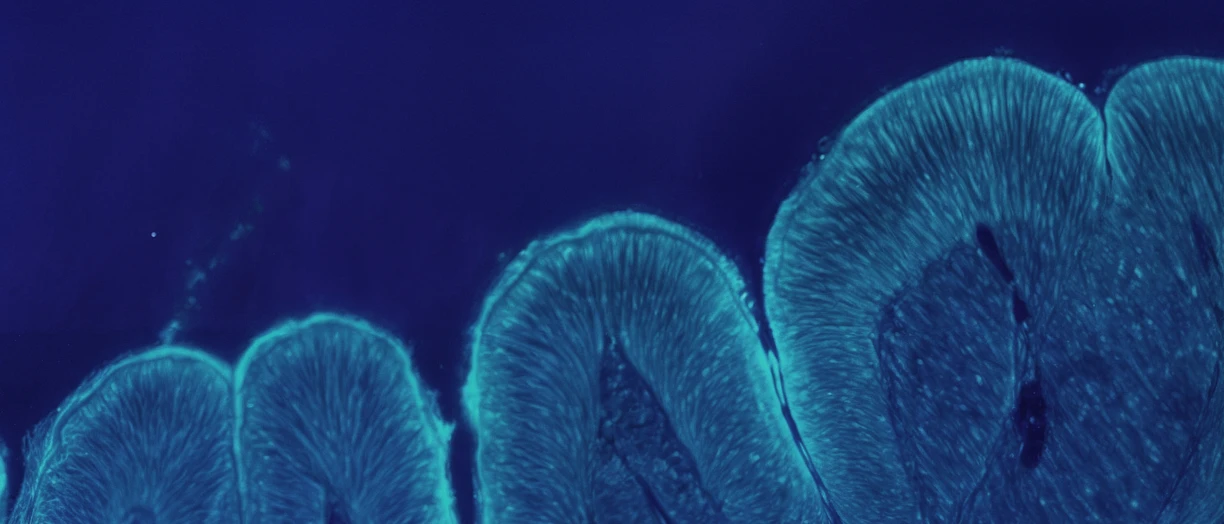
Probiotics do more than support digestion—they interact directly with the animal. By reinforcing gut lining integrity, stimulating mucin production and normal immune responses, they help build resilience from the inside out.
Key mechanisms:
- Support of gut barrier function and tight junction integrity
- Modulation of immune system signaling
- Improved absorptive capacity for nutrients
No two strains are the same
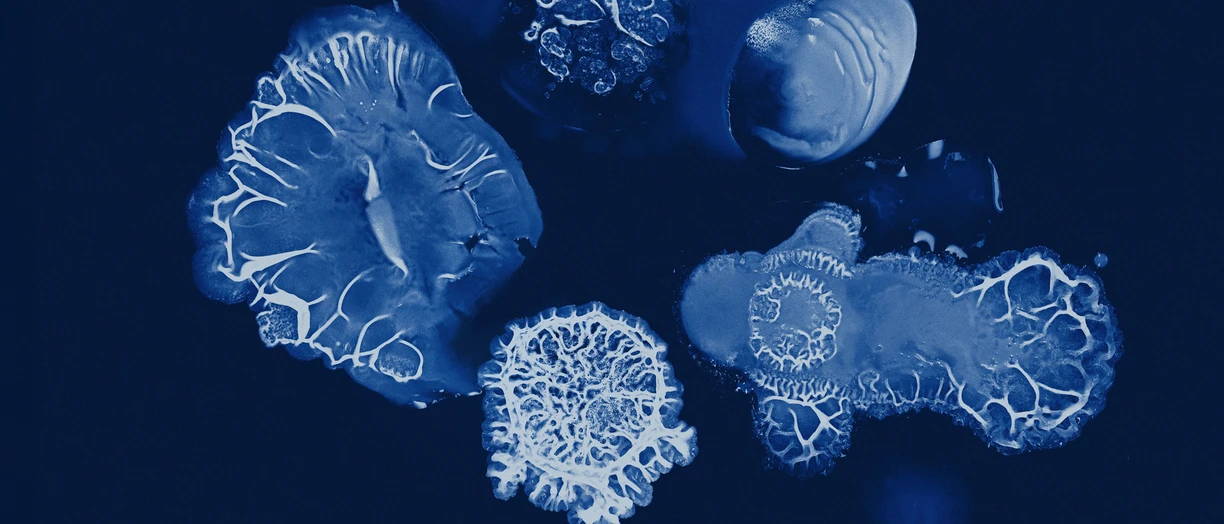
Not all bacteria are created equal. Even within the same species, each strain has its own genetic makeup, enzyme activity and behavior in the gut. That’s why selecting the right strain—or the right combination—is key to consistent, targeted results.
How silage inoculants work
Silage inoculants are beneficial bacteria that convert plant sugars into lactic and acetic acid. This lowers pH, preserves nutrients and modulates fermentation—supporting silage stability from fermentation to feed-out.
What are enzymes?
Enzymes are highly specialized proteins that act as biological catalysts—breaking down complex feed components like fiber, protein and starch into simpler, more digestible nutrients.
How enzymes unlock feed nutrients
Enzymes act like molecular scissors—breaking down complex feed components into simpler, more digestible nutrients. Each type of enzyme targets a specific substrate in the feed, helping your animals make better use of every bite.
Breaking down tough fiber walls
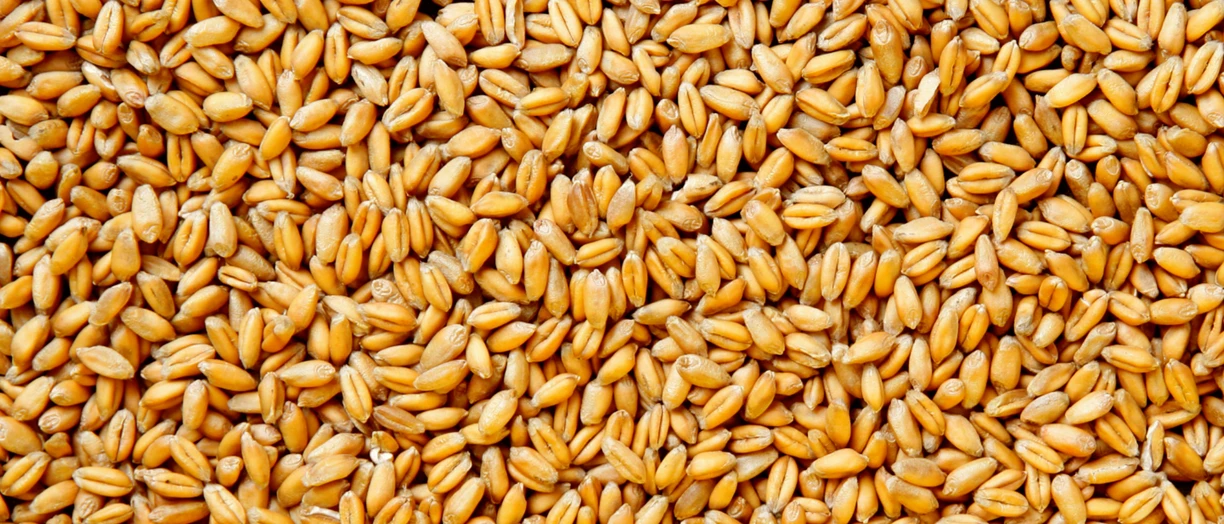
Fiber-rich ingredients like wheat, barley and soy hulls contain non-starch polysaccharides (NSPs)—structures that act like walls, locking nutrients inside. Carbohydrases such as xylanases, cellulases and β-glucanases break down these barriers, unlocking energy and easing digestion.
Releasing more energy from starch
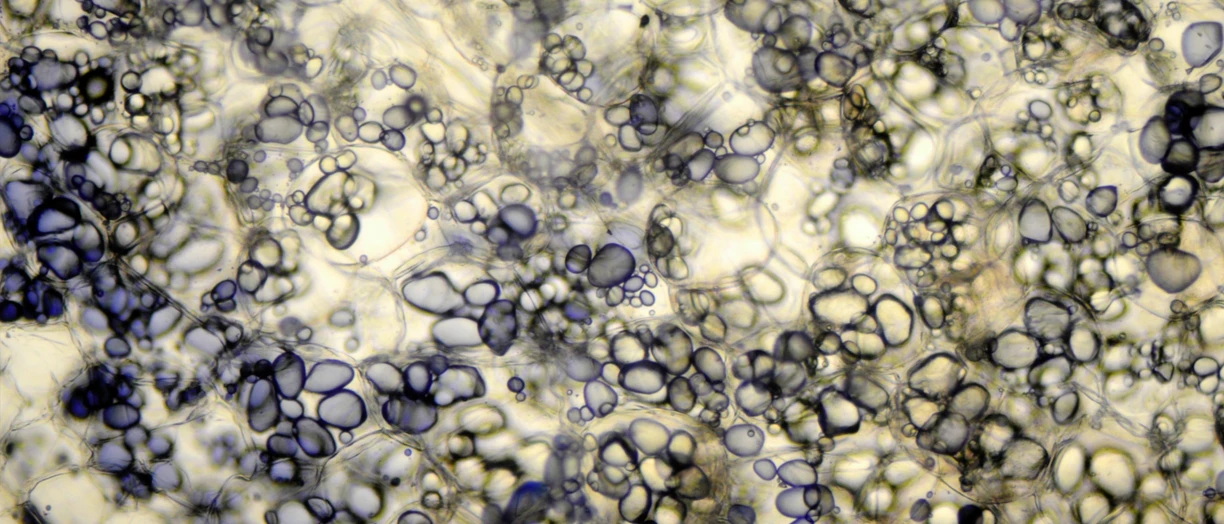
Amylases break down complex starch molecules into simpler sugars, improving starch digestibility and energy utilization—especially in young animals.
Phosphorus, unlocked by biology
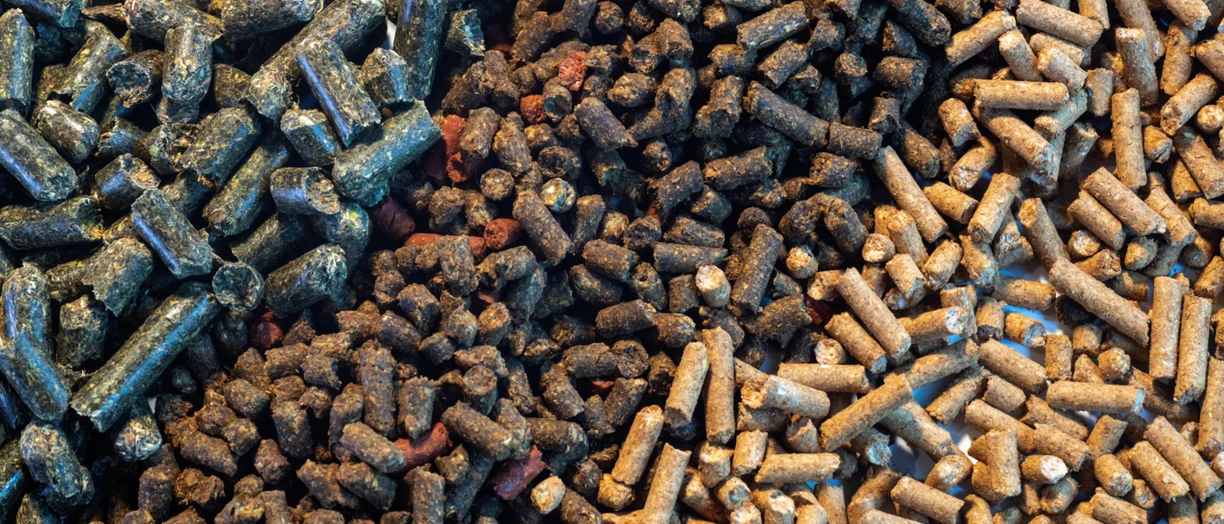
Phytases free phosphorus locked in phytic acid, a common anti-nutrient in plant-based feeds. This reduces the need for inorganic phosphorus supplements and supports bone health and environmental performance.
More protein access. Less waste.
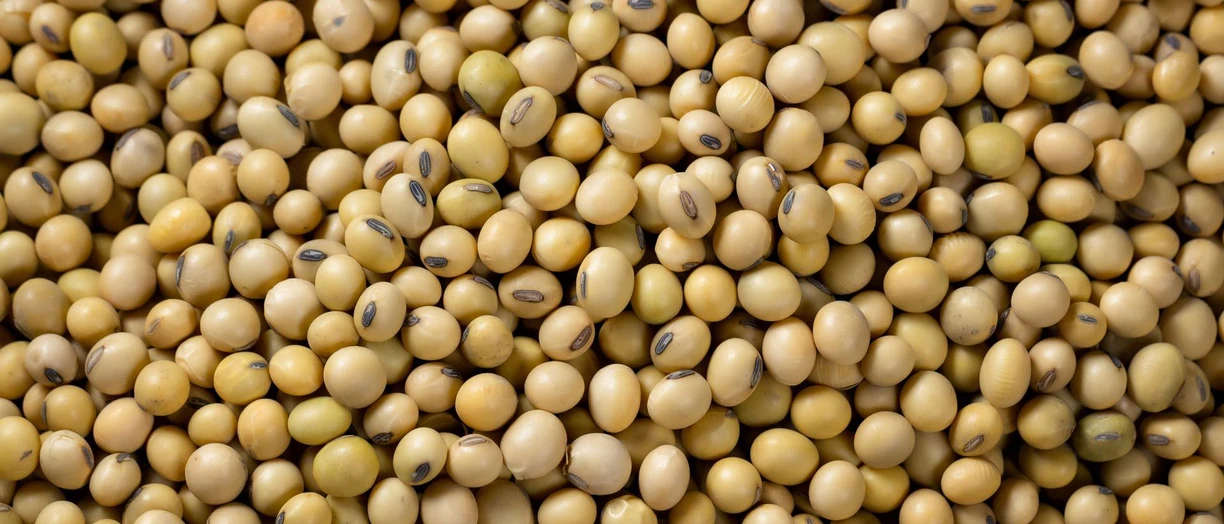
Proteases help break proteins into amino acids and small peptides, improving amino acid availability and reducing the need for expensive protein sources. Giving you more feedstock flexibility, more options. They also help minimize nitrogen excretion, supporting sustainability goals.
No two enzymes are exactly alike
Whether it's proteases, phytases or carbohydrases, each has unique structure, activity and stability. For example, proteases can differ in how they fold, what bonds they target and how they perform under different temperatures or pH—impacting real-world effectiveness in application.
At Novonesis, we develop enzymes specifically for animal feed.
Contact our technical experts today
Do you want to learn more about the modes of action of probiotic and enzyme biosolutions? Reach out to our experts.
To view this form, update your cookie preferences
Ce formulaire ne s’affiche pas, car les cookies marketing sont désactivés. Pour continuer, activez-les dans les paramètres des cookies.